
Dimethicone (PDMS)
- Silicones
- CAS 9006-65-9
- IUPAC: Polydimethylsiloxane
Dimethicone (PDMS) (CAS 9006-65-9) appears in 18 of the 2,122 car-care products CarCareTruth tracks (as of August 2026).
Biologically inert. Used extensively in cosmetics and medical devices. No known health hazards at any concentration.
Dimethicone is the workhorse silicone in car care. It's the active ingredient in most UV protectants (303 Aerospace), tire dressings, and spray waxes. It creates a thin, optically clear film that blocks UV radiation and repels water.
Health-wise it's exceptional — completely inert, non-toxic, non-irritating. The only concern is environmental persistence: silicones don't biodegrade and accumulate in soil and sediment over decades. They're not toxic to aquatic life, but they don't go away either.
Health & environment profile
- VOC
- no
- Prop 65 listed
- no
- Asthmagen
- no
- EPA Safer Choice
- no
- Aquatic toxicity
- no
- Biodegradable
- no
- Bioaccumulative
- no
- Persistent
- yes
- Ozone depleting
- no
- Microplastic
- no
- PFAS
- no
- Env. score
- 3/5
Common questions about Dimethicone (PDMS)
- What is Dimethicone (PDMS) used for in car care?
- Surface conditioning, UV protection, hydrophobic layer
- Is Dimethicone (PDMS) a VOC?
- No. Dimethicone (PDMS) is not classified as a volatile organic compound (VOC).
- Is Dimethicone (PDMS) on California's Proposition 65 list?
- No. Dimethicone (PDMS) is not on California's Proposition 65 list.
18 products contain this
 3D Car Care Trim Care Restorer
trim-restorer

 Griot's Garage Ceramic 3-in-1 WaxProp 65
ceramic-spray-coating
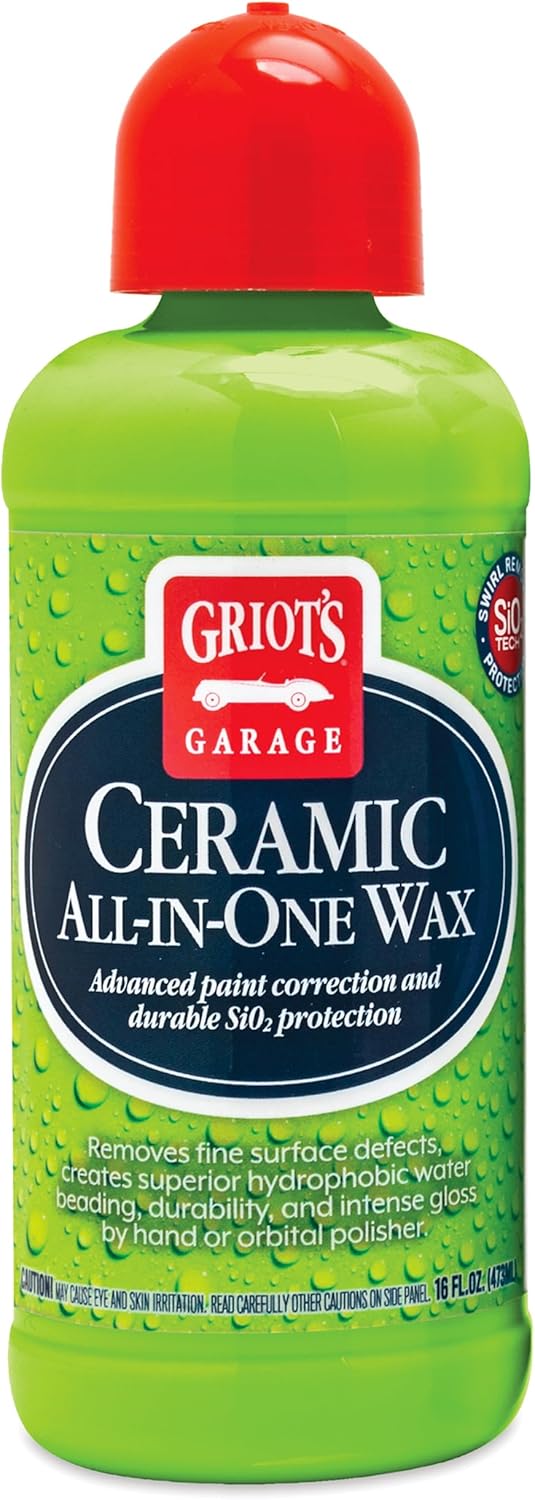 Griot's Garage Ceramic All-In-One Wax
all-in-one-wax
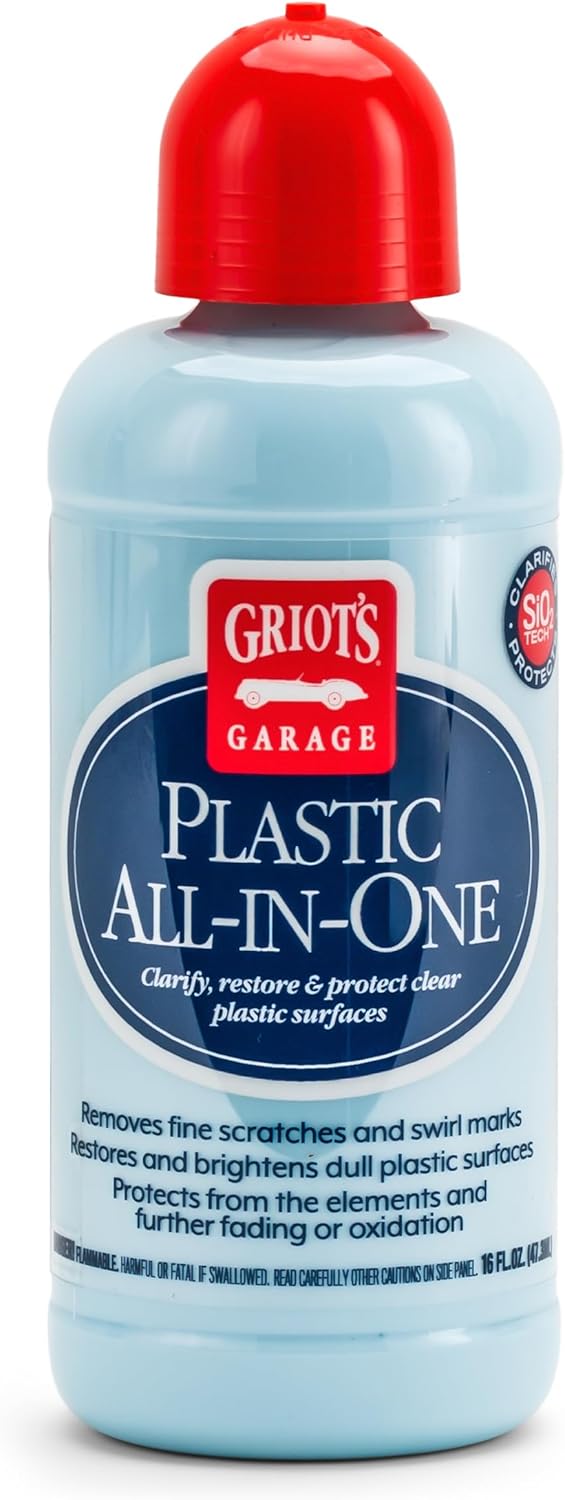 Griot's Garage Plastic All-in-One
headlight-restoration
 Griot's Garage Spray-On Car WashProp 65
waterless-wash
 Meguiar's Hybrid Ceramic WaxProp 65
ceramic-spray-coating
 Prop 65
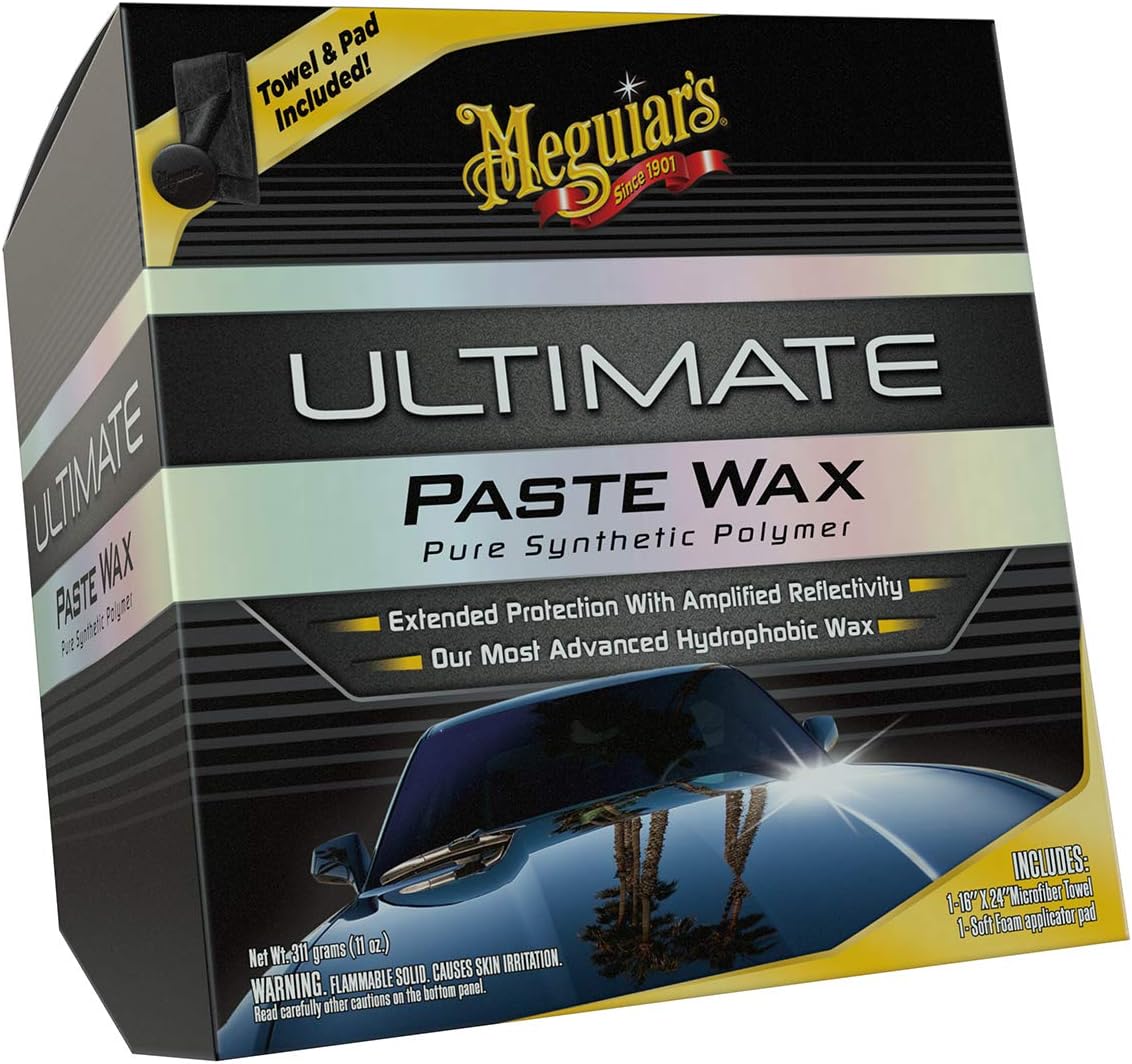 Meguiar's Ultimate Paste WaxProp 65
paste-wax
 Mothers All-In-One Leather Care
leather-care
 P21S 100% Carnauba Wax
paste-wax
 P21S Concours-look Carnauba WaxProp 65
paste-wax
 SONAX BrilliantShine DetailerProp 65
ceramic-spray-coating
 SONAX CC36 Ceramic Coating Kit
ceramic-coating
 Prop 65
 Turtle Wax ICE Spray WaxProp 65
spray-wax
 Prop 65
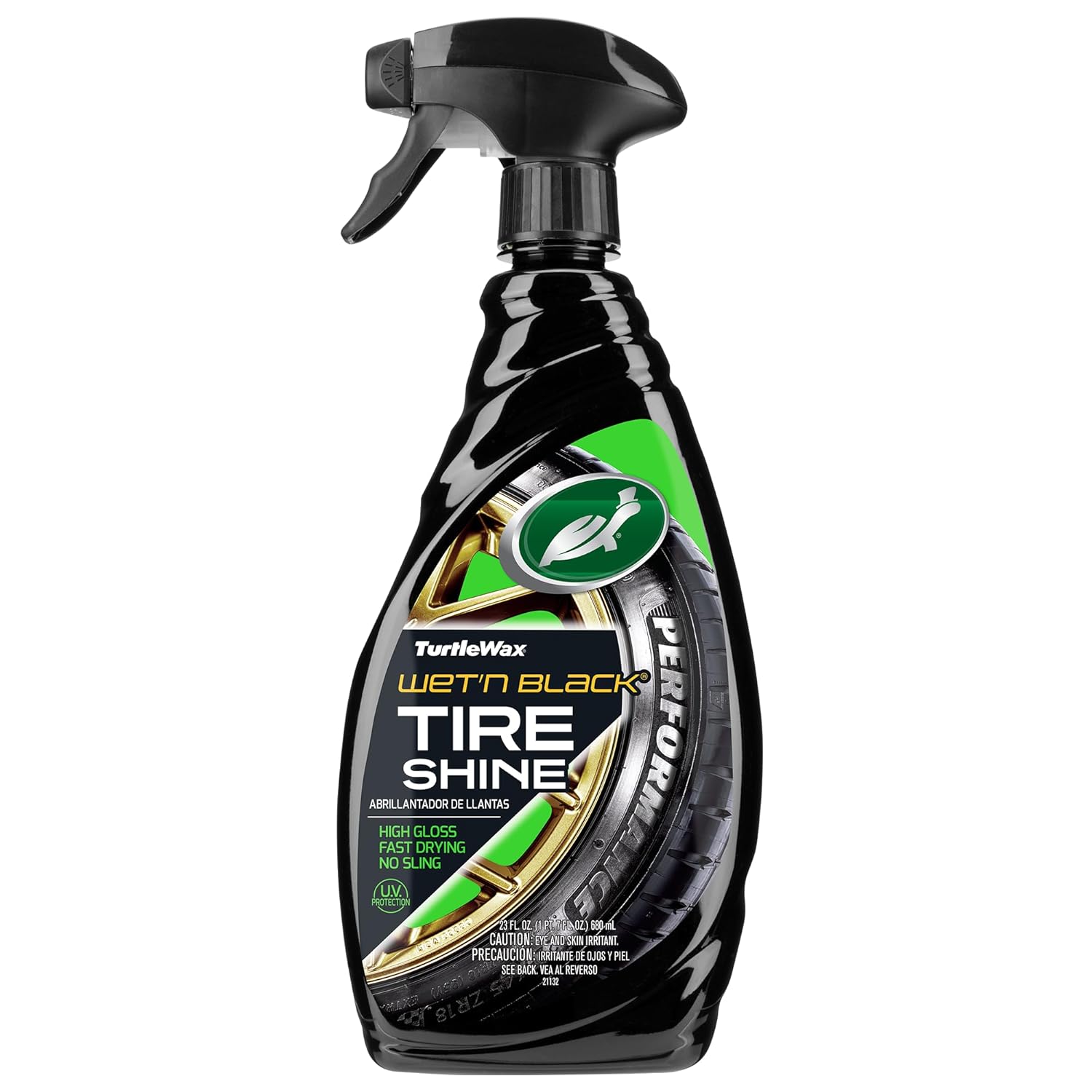 Turtle Wax Wet 'N Black Ultra Wet Tire ShineProp 65
tire-dressing
Related
Health and environment notes translate the manufacturer Safety Data Sheet, the GHS classification, and authoritative regulatory listings (California Prop 65, EPA). Not medical advice. They describe the ingredient itself; whether a hazard applies to a finished product depends on its concentration and how it's used.