
China Clay, Calcined (Kaolin)
- Abrasives
- CAS 66402-68-4
- IUPAC: Calcined kaolin
China Clay, Calcined (Kaolin) (CAS 66402-68-4) appears in 5 of the 2,122 car-care products CarCareTruth tracks (as of August 2026).
No GHS hazard classification at product-level concentrations. Inhalation of calcined kaolin dust in industrial settings carries a silicosis risk, but this does not apply to closed automotive formulations. Oral or skin contact: no significant hazard.
Calcined china clay (kaolin) is a naturally occurring aluminium silicate clay mineral that has been heat-processed (calcined) to alter its physical properties. In automotive products it functions as a mild polishing agent and filler, providing texture and mild abrasive action in liquid waxes, glazes, and polishes. The calcination process increases its hardness slightly compared to uncalcined kaolin.
The primary concern with industrial kaolin dust inhalation (silicosis) does not apply to sealed formulations. At the concentrations used in detailing products (1–10%), this is an inert mineral ingredient.
Health & environment profile
- VOC
- no
- Prop 65 listed
- no
- Asthmagen
- no
- EPA Safer Choice
- no
- Aquatic toxicity
- no
- Biodegradable
- no
- Bioaccumulative
- no
- Persistent
- no
- Ozone depleting
- no
- Microplastic
- no
- PFAS
- no
- Env. score
- 5/5
Common questions about China Clay, Calcined (Kaolin)
- What is China Clay, Calcined (Kaolin) used for in car care?
- Mild abrasive filler and polishing agent; provides body to paste/cream formulations
- Is China Clay, Calcined (Kaolin) a VOC?
- No. China Clay, Calcined (Kaolin) is not classified as a volatile organic compound (VOC).
- Is China Clay, Calcined (Kaolin) on California's Proposition 65 list?
- No. China Clay, Calcined (Kaolin) is not on California's Proposition 65 list.
5 products contain this
 Prop 65
 Adam's Polishes Adam's Buttery WaxProp 65
liquid-wax
 Prop 65
 Prop 65
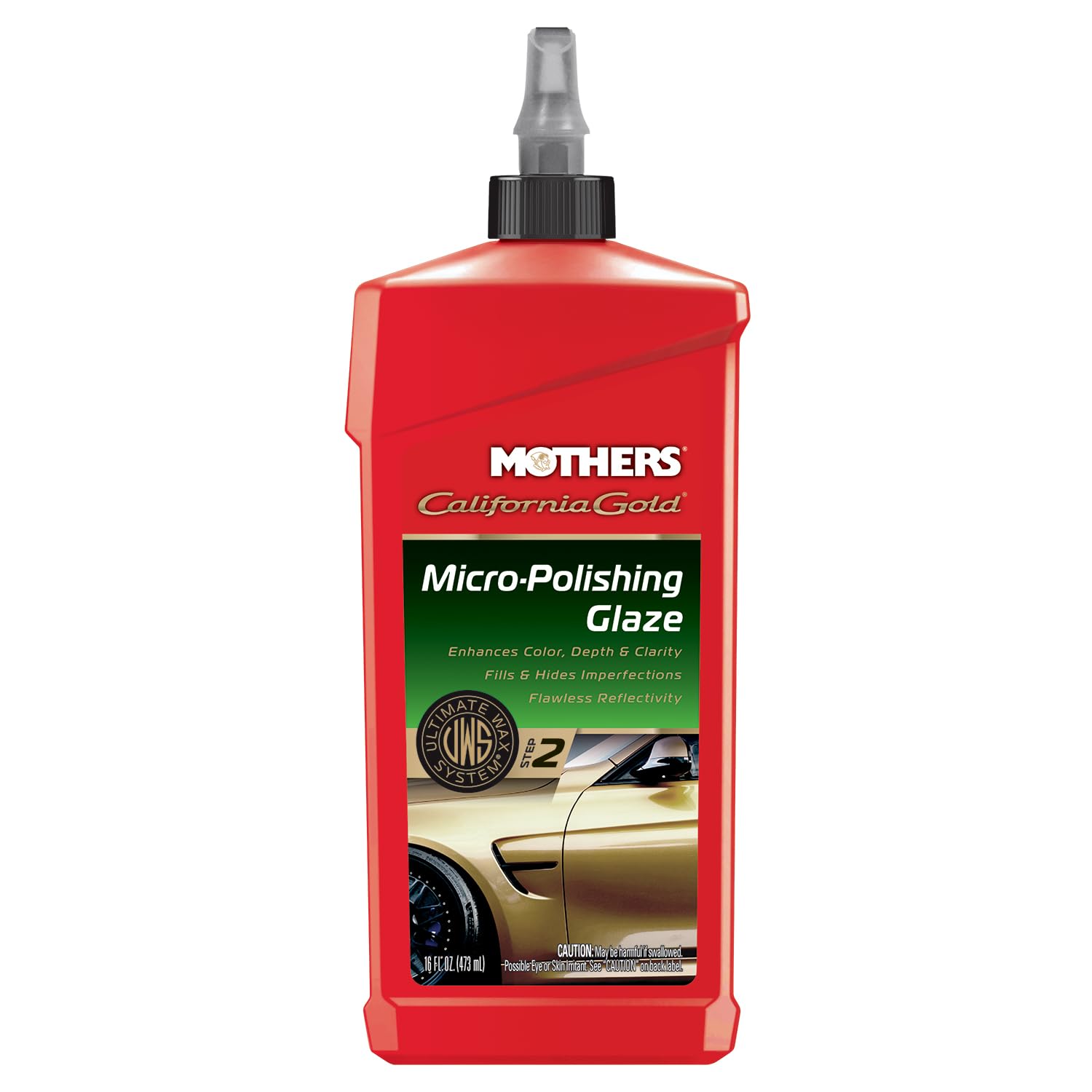 Prop 65
Related
Health and environment notes translate the manufacturer Safety Data Sheet, the GHS classification, and authoritative regulatory listings (California Prop 65, EPA). Not medical advice. They describe the ingredient itself; whether a hazard applies to a finished product depends on its concentration and how it's used.