CarCareTruth Score
Decent.
Saved to your guest loadout. Sign up to also save to your Cabinet (consumables) or Kit (tools you own).
As an Amazon Associate I earn from qualifying purchases. Full disclosure
Health score is for adult use as intended, per the manufacturer's SDS. It does not model child ingestion, accidental spill cleanup, or off-label use. See the safety panel below for full hazard classification, and /disclaimer for the full editorial scope.
GHS hazard codes are quoted from the manufacturer’s Safety Data Sheet. PPE tiers below translate those codes and the listed ingredient chemistry; they are not CarCareTruth recommendations.
Show details for all categories ▾Hide details ▴
Only when: splash risk · when spraying
Beyond SDS: translated from the ingredient chemistry
SDS Section 8 lists eye protection and marks it 'no special requirements.' Section 2 assigns no GHS hazard classification and Section 11 reports no classified eye irritation. Safety glasses are a reasonable precaution during direct spray application, not a mixture-level hazard requirement.
CarCareTruth publishes the cited sources verbatim and does not advise what action a user should take. Consult the full SDS before use.
Only when: splash risk · prolonged use
Beyond SDS: translated from the ingredient chemistry
SDS Section 8 lists hand and skin/body protection and marks it 'no special requirements.' Section 2 carries no hazard classification and Section 11 shows no classified dermal irritation (dermal LD50 greater than 5000 mg/kg). Gloves are a reasonable precaution for prolonged or repeated contact, not a chemistry-driven requirement.
CarCareTruth publishes the cited sources verbatim and does not advise what action a user should take. Consult the full SDS before use.
Only when: when spraying · misting overhead
Beyond SDS: translated from the ingredient chemistry
SDS Section 8 lists respiratory protection and marks it 'no special requirements.' Section 2 assigns no GHS classification and Section 11 reports no classified inhalation toxicity (LC50 greater than 10 mg/L). The trigger-spray mist is a normal-use consideration in an enclosed space like a closed car interior, not a mixture-level respiratory hazard.
CarCareTruth publishes the cited sources verbatim and does not advise what action a user should take. Consult the full SDS before use.
No PPE specified in published sources for ventilation. Absence does not imply “not needed” — consult the full Safety Data Sheet.
PPE tiers translate the manufacturer’s SDS and U.S. regulatory standards. Not professional safety advice. How we report safety.
Scope of these PPE tiers. The tiers on this page translate the product's Safety Data Sheet where one is published, plus its ingredient chemistry, into a comparable rating. They describe a formulation, not a situation: a tier is not a safety determination for any specific user, task, quantity, or environment. The manufacturer's label and use instructions govern how the product is handled. Where the product is used at work, the employer's PPE program and hazard assessment under 29 CFR 1910.132 decide what protection is selected, not this page.
No warranties. CarCareTruth makes no warranties, express or implied, and expressly disclaims the implied warranties of merchantability and fitness for a particular purpose.
Last reviewed June 8, 2026
TL;DR Reliable streak-free results on uncoated glass, but not safe for cars with aftermarket window tint or hydrophobic glass coatings. Ammonia is confirmed in this formula and degrades adhesive-backed tint film and hydrophobic treatment layers with repeated use.
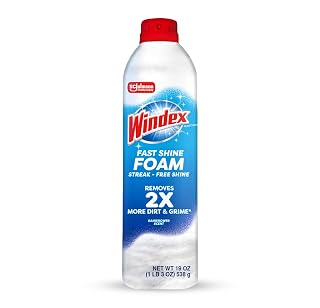
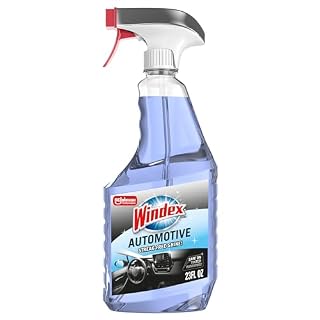
The classic blue household glass cleaner, little changed since launch. SC Johnson's ingredient disclosure confirms ammonia at consumer dilution plus a small surfactant package. Community reviews report reliable single-pass streak-free results on uncoated household glass and untreated car windows, and it is highly rated on Amazon by a large owner base. The trade-off is real and undisclosed on the label: ammonia attacks the adhesive in aftermarket window tint and the bonds in hydrophobic glass coatings with repeated use. Interior windshield outgassing film is less benchmarked since the product is positioned for household use.
The right buy for household windows, mirrors, and cars with no aftermarket tint or coatings where streak performance matters and price is a factor. Anyone with aftermarket adhesive-backed window film, a ceramic glass coating, or a RainX-type treatment should choose an ammonia-free automotive glass cleaner instead; the chemistry damages all three over time.
The safety data sheet records no GHS hazard classification at the mixture level: no signal word, no H-codes. SDS Section 8 marks eye, hand, and respiratory protection as "no special requirements"; minimal PPE (safety glasses, gloves) is a reasonable precaution for splash and spray-mist exposure during normal use, not a chemistry-driven requirement. No California Prop 65 warning. Ammonia is VOC-exempt; no aquatic toxicity classified at the mixture level. Residue reaches the drain via cloth laundering; no significant environmental concern for this water-based formula.
For the full SDS breakdown of this category, including where ammonia does and does not matter, see Is Glass Cleaner Toxic?.
Not without risk. The formula contains ammonia, confirmed via SC Johnson's WhatsInside ingredient disclosure, which names ammonium hydroxide but publishes no concentration for it. Ammonia degrades the adhesive layer in aftermarket adhesive-backed window films over time; edge lift, bubbling, and hazy separation are documented community failure modes after repeated use. OEM factory-embedded tint (no adhesive layer) is unaffected. Anyone with aftermarket tint should choose an ammonia-free glass cleaner.
Yes, by the rules. Ammonium hydroxide is a regulated hazard at higher concentrations, but SC Johnson publishes no concentration for Windex and the finished mixture is not classified. SDS §2 reflects that: no H-codes, no signal word, and SDS §3 states the product contains no hazardous chemicals at or above a reportable level under the OSHA hazard communication standard. The health score of 9.0 reflects this low-hazard chemistry profile.
Ammonia attacks the silane-based bonds that hold hydrophobic coatings to glass. Repeated application of an ammonia cleaner is a documented community cause of premature coating failure on automotive ceramic glass coatings and RainX-type treatments. If your windshield has been treated, use an ammonia-free glass cleaner instead.
Community evidence supports reliable single-pass results on uncoated glass: mirrors, household windows, and untreated car windshields. The ammonia helps cut light film. Streaks are most commonly caused by applying too much product, not by the formula itself.
No. The blue color is dye for product identification; SC Johnson's WhatsInside lists it under non-functional components alongside fragrance. The cleaning chemistry is ammonia, surfactants, and a high-boiling-point solvent.
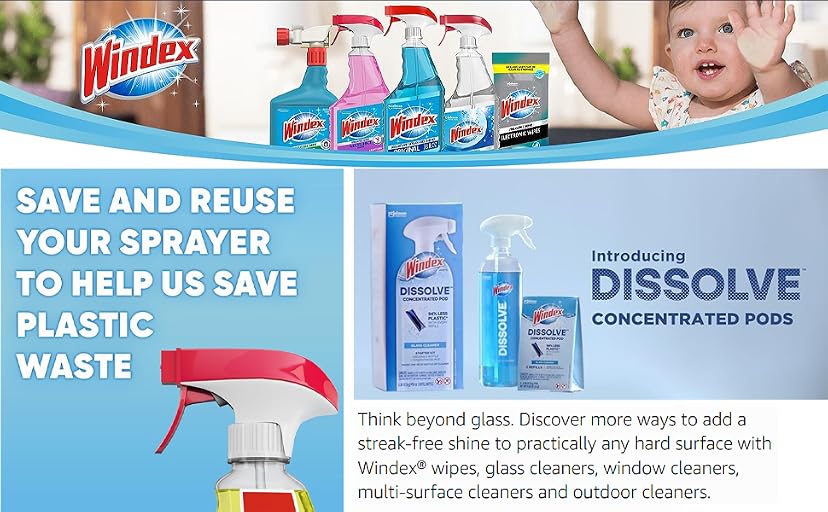
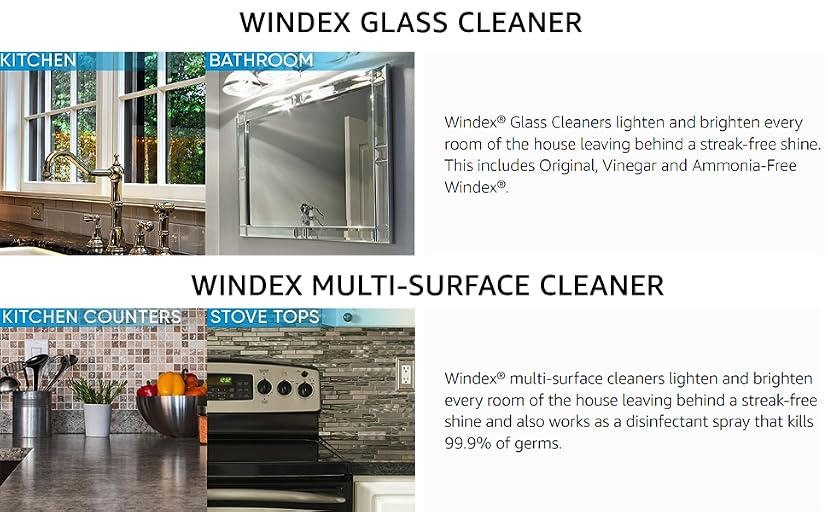
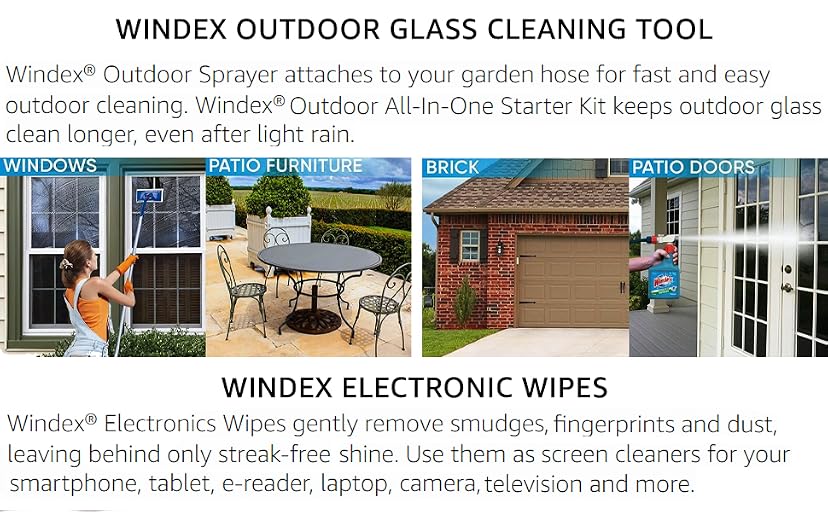
Marketing copy from Windex, via Amazon. Not editorial.
Weekly pick
One product, one safety verdict, every week. No spam.

Stoner
Invisible Glass Premium Aerosol Glass Cleaner
Hope's
Perfect Glass Automotive Glass Cleaner
Meguiar's
Perfect Clarity Glass Cleaner
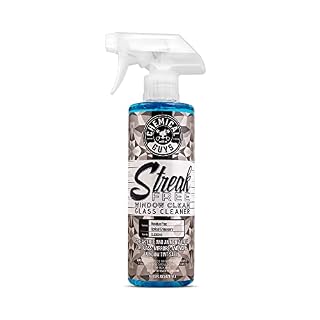
Chemical Guys
Streak Free Window Clean Glass Cleaner
As an Amazon Associate I earn from qualifying purchases. Full disclosure

Community
0 postsShare how you use this product
Drop a quick comment or post a full review with photos and a star rating.
Sign in to postNew here? Create a free account.