CarCareTruth Score
Decent.
Opens Amazon in a new tab. No account needed to look.
Saved to your guest loadout. Sign up to also save to your Cabinet (consumables) or Kit (tools you own).
As an Amazon Associate I earn from qualifying purchases. Full disclosure
Prices may varyHealth score is for adult use as intended, per the manufacturer's SDS. It does not model child ingestion, accidental spill cleanup, or off-label use. See the safety panel below for full hazard classification, and /disclaimer for the full editorial scope.
GHS hazard codes are quoted from the manufacturer’s Safety Data Sheet. PPE tiers below translate those codes and the listed ingredient chemistry; they are not CarCareTruth recommendations.
Show details for all categories ▾Hide details ▴
Translated from the manufacturer’s Safety Data Sheet, Section 8
SDS Section 8 calls for safety glasses. Section 11 reports the product itself causes slight, transient eye irritation (expected based on components), even though Section 2 carries no eye-hazard GHS code at the mixture level.
CarCareTruth publishes the cited sources verbatim and does not advise what action a user should take. Consult the full SDS before use.
Only when: splash risk · prolonged use
Translated from the manufacturer’s Safety Data Sheet, Section 8
SDS Section 8 calls for a protective suit for skin and body protection; no H315 or H314 at the mixture level. For typical DIY pour and drain service, gloves offer comparable splash protection, though the SDS itself names a protective suit, not gloves specifically.
CarCareTruth publishes the cited sources verbatim and does not advise what action a user should take. Consult the full SDS before use.
Only when: in enclosed space · prolonged use
Translated from the manufacturer’s Safety Data Sheet, Section 8
SDS Section 8 states respiratory protection is not required under normal conditions of use and lists no personal respiratory protective equipment as normally needed. Section 2 carries no inhalation-hazard GHS code, so this is a general-ventilation precaution for extended handling sessions in an enclosed space, not a mixture-level respiratory hazard.
CarCareTruth publishes the cited sources verbatim and does not advise what action a user should take. Consult the full SDS before use.
No PPE specified in published sources for ventilation. Absence does not imply “not needed” — consult the full Safety Data Sheet.
PPE tiers translate the manufacturer’s SDS and U.S. regulatory standards. Not professional safety advice. How we report safety.
Scope of these PPE tiers. The tiers on this page translate the product's Safety Data Sheet where one is published, plus its ingredient chemistry, into a comparable rating. They describe a formulation, not a situation: a tier is not a safety determination for any specific user, task, quantity, or environment. The manufacturer's label and use instructions govern how the product is handled. Where the product is used at work, the employer's PPE program and hazard assessment under 29 CFR 1910.132 decide what protection is selected, not this page.
No warranties. CarCareTruth makes no warranties, express or implied, and expressly disclaims the implied warranties of merchantability and fitness for a particular purpose.
This product ranks #10 of 14 in Transmission Fluid.Three above it ↓
Last reviewed July 8, 2026
TL;DR Lists Dexron VI, Mercon LV, Toyota WS, ZF Lifeguard 6/8/9, BMW, and 10+ other OEM specs on the bottle, but none carry a confirmed OEM license, so every one is a compatibility claim rather than a verified approval. Community forum data confirms shudder elimination in GM and Ford applications for 2 to 3 years; the 100,000-mile label interval is not VOA-validated, with community consensus at 40,000 to 60,000 miles.
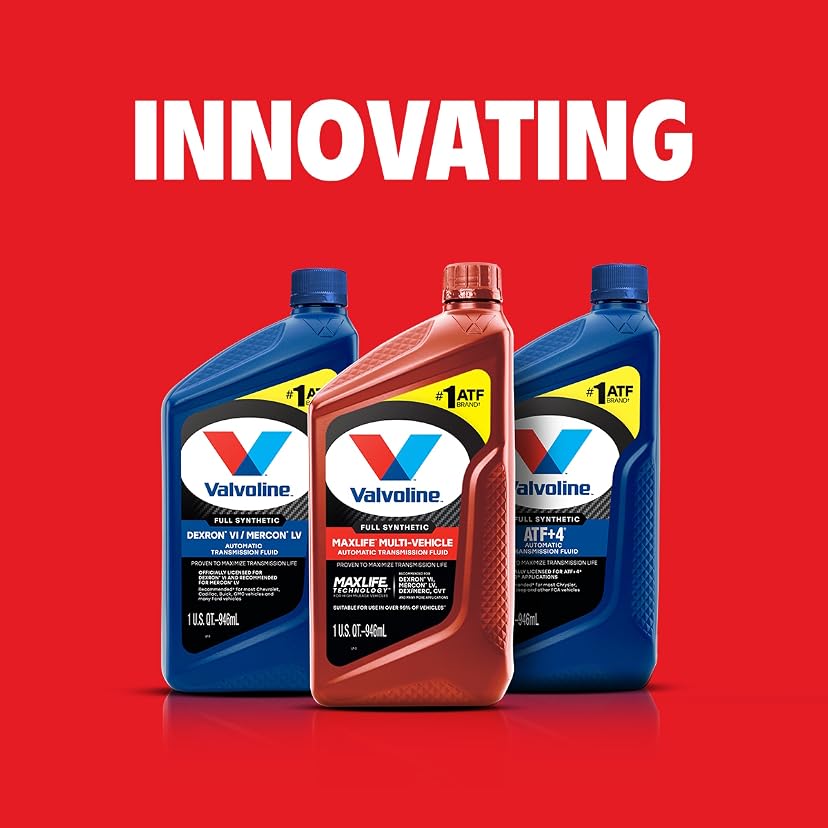
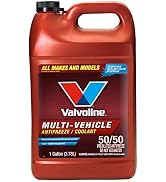
Valvoline MaxLife Multi-Vehicle ATF is a full synthetic marketed for GM, Ford, Toyota, Honda, Nissan, Hyundai, Subaru, BMW, Mercedes, and VW/Audi transmissions. Every spec on the bottle, domestic and import alike, is a bottle claim; none has a confirmed OEM license number or a verified entry on the relevant OEM's approved-products list. BITOG and model-specific forums document shudder resolution in GM 6L80 and Ford 6F55 transmissions after a fluid-only change, with re-emergence typically at 40,000 to 50,000 miles.
Best fit is GM and Ford owners who want documented community shudder-resolution history and are comfortable relying on bottle claims rather than a licensed approval. Import owners needing confirmed ZF Lifeguard 8 or 9, Toyota WS, or Honda DW-1 approval should choose a fluid carrying the actual OEM license, since this one's coverage claims are unverified across every spec listed.
The SDS classifies this fluid as not a hazardous substance or mixture at the mixture level, with no signal word and no H-codes. Take spent fluid to a used-oil collection facility; do not pour it down drains.
The bottle label claims compatibility with belt and chain-driven CVTs for several OEM specs including GM DEX-CVT, Toyota CVTF FE and CVTF TC, Honda CVT, and Subaru Lineartronic CVT variants. None of these carry a confirmed OEM license or a verified entry on the relevant OEM's approved-products list; they are compatibility claims only. If your vehicle's owner manual specifies a brand-name CVT fluid (e.g., Honda CVT fluid), verify compatibility with the dealership before using a multi-vehicle fluid.
The bottle label claims ZF Lifeguardfluid 6, 8, and 9 compatibility, but none of these claims carries a confirmed OEM license or a verified listing on ZF's published approved-products list. ZF-equipped vehicles (BMW, Audi, Land Rover) are sensitive to fluid specification; confirm on ZF's list at zf.com before filling, or choose a fluid that holds the actual ZF license.
Community forum evidence on Bob Is The Oil Guy (BITOG) and model-specific forums documents shudder elimination in GM 6L80, Ford 6F55, and Toyota applications following a fluid-only change with this product. Typical re-emergence timeline is 2 to 3 years or 40,000 to 50,000 miles per long-form follow-up posts. The 100,000-mile label interval is not community-validated; practical service intervals of 40,000 to 60,000 miles reflect community consensus for moderate use.
The bottle claims BMW ATF-6 and LA2634 (formerly LT71141) compatibility, but this is a compatibility claim with no confirmed OEM license or verified BMW approved-products list entry. BMW transmissions vary significantly by model and year; ZF 8HP units (most 2012+ BMWs) require ZF Lifeguardfluid 6 or 8 specifically. Confirm the correct spec in your owner manual and verify on the OEM-approved list before use.
CarCareTruth scores verified OEM approvals, meaning a genuine license number or a confirmed entry on the OEM's own published approved-products list, not bottle wording. This fluid lists Dexron VI, Mercon LV, Toyota WS, ZF Lifeguard, and BMW specs, but none of them carries a license number or confirmed list entry; every spec on the bottle is a compatibility claim. A fluid holding even one verified OEM license, like ACDelco's Dexron VI license J-60301, scores higher on this dimension than a broader but entirely unverified claim set.
Marketing copy from Valvoline, via Amazon. Not editorial.
Weekly pick
One product, one safety verdict, every week. No spam.




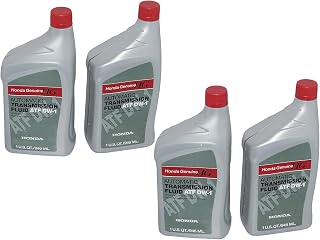
Honda
Genuine ATF DW-1 Automatic Transmission Fluid (4-Pack)
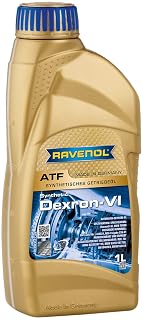
Ravenol
ATF Dexron VI
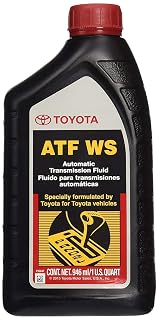
Toyota
Genuine ATF WS Automatic Transmission Fluid (6-Pack)
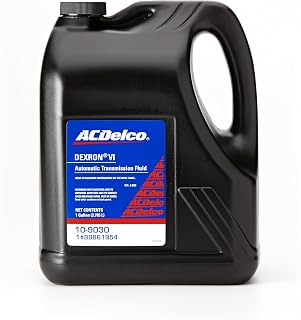
ACDelco
DEXRON-VI Automatic Transmission Fluid
As an Amazon Associate I earn from qualifying purchases. Full disclosure

Community
0 postsShare how you use this product
Drop a quick comment or post a full review with photos and a star rating.
Sign in to postNew here? Create a free account.