
Isopropanol (IPA, 2-Propanol)
- Alcohol solvents
- CAS 67-63-0
Isopropanol (IPA, 2-Propanol) (CAS 67-63-0) appears in 17 of the 2,122 car-care products CarCareTruth tracks (as of August 2026). It is classified as a VOC.
Flammable liquid (H225). Eye irritant (H319). Causes drowsiness or dizziness on inhalation (H336). At typical car-care concentrations and short use bursts, practical risk is modest with normal ventilation.
What it is
Isopropanol (CAS 67-63-0), also called IPA, 2-propanol, isopropyl alcohol, or rubbing alcohol, is a secondary alcohol. At room temperature it is a clear, colorless, flammable liquid with the mild astringent smell most people recognize from a first-aid cabinet. It is fully miscible with water and with most organic solvents (acetone, ethanol, ethers, glycols), which is what makes it useful as a cleaning carrier in car-care formulas. Boiling point is 82°C. It evaporates faster than ethanol and slower than acetone, a middle ground that matters a lot for panel work. Flash point is 12°C, putting it in OSHA Class IB flammable territory: the vapor will ignite from a spark at normal room temperature.
The headline car-care use: panel wipe before ceramic coating
Ceramic coatings are silica-based (SiO2, sometimes SiC) products that bond chemically to the clear coat. The bond chemistry only works on a bare, contaminant-free surface. Any film of wax, polish oil, sealant residue, silicone dressing, or even fingerprint oil sits between the coating and the paint and prevents proper cure, leaving high spots, streaks, or wholesale coating failure within weeks.
IPA dissolves these residues and flashes off without etching the clear coat. The standard panel-wipe dilution is 1:1 IPA and distilled water (50% IPA), and some formulators run 1:1:1 IPA, water, and a trace of mild surfactant. The 70% rubbing-alcohol bottles on the pharmacy shelf work in a pinch, but professional detailers prefer dedicated panel-wipe bottles for the purity: no glycerin, no aloe, no perfume, nothing that will leave its own film behind when the alcohol flashes.
Why 70% / 91% / 99% matters
The ~70% rubbing-alcohol concentration sold at drugstores is formulated for antiseptic use. The water content is intentional: it slows evaporation enough to let the alcohol disrupt cell walls. For coating prep that water is dead weight that has to flash off before the panel is dry, and any humectants added for skin feel (glycerin, aloe, fragrance) leave a residue that defeats the entire wipe. 91% and 99% IPA, sold either as bottled panel-wipe or as plain isopropyl alcohol from a paint or electronics supplier, leave a cleaner surface in less time.
Other car-care uses
Beyond coating prep, IPA shows up across a detailing kit. It is a common active in streak-free glass cleaners (an alternative to ammonia, which can damage tint film). It is used as a wipe-down on interior plastics before applying water-based vinyl protectants, so the dressing keys to the substrate rather than to old armor-style residue. It lifts light tar, fresh sticker adhesive, and bug residue when stronger citrus or naphtha solvents would be too aggressive. Wheel detailers use a quick IPA mist to pre-treat caked brake dust before a water-based wheel cleaner. During paint correction, an IPA wipe-down between polishing stages strips polish oils so the operator can read the true defect state under the lights, rather than a hologram of partly-filled swirls.
Hazard profile
The GHS classification for neat IPA is H225 (highly flammable liquid and vapor), H319 (serious eye irritation), and H336 (may cause drowsiness or dizziness from inhalation). Acute oral toxicity is low: LD50 in rat is roughly 5000 mg/kg. The dominant home-use concern is flammability, not toxicity. A panel-wipe operation in a garage with a water heater pilot light or a space heater nearby is a real ignition risk and the reason most coating instructions specify a cool, well-ventilated bay with no open flame.
Plastic compatibility
IPA is generally gentler on automotive plastics than acetone. Brief contact will not craze polycarbonate headlight lenses and will not dissolve ABS interior trim. Prolonged or repeated contact can dull some glossy plastics and pull plasticizer out of older vinyl, so a test in a hidden area of the dashboard or door card is the cautious move before broad use on interior surfaces.
IPA versus acetone
Acetone evaporates faster, cuts oils more aggressively, and is more likely to attack clear coat and plastics on prolonged contact. IPA is slower, gentler, and the safer default for panel-wipe and interior work. Aerosol brake cleaners often lean on acetone for the speed; bottled panel-wipes lean on IPA for the safety margin against an inattentive moment on a fresh paint repair.
VOC and ventilation
IPA is a real VOC under EPA and CARB definitions. A full ceramic coating prep on a sedan uses roughly 16 to 32 ounces of diluted panel-wipe, enough to push cabin VOC concentration in a closed single-car garage to noticeable levels during the work. Open the garage door. The NIOSH workplace exposure limit is 400 ppm as an 8-hour time-weighted average, which a typical hobby session does not approach with the door open but can in a sealed bay.
Where to look on the SDS
Section 3 (Composition) on a panel-wipe product typically lists isopropanol at 70%, 91%, or 99% with water as the remainder. Section 9 (Physical and Chemical Properties) is where flash point and VOC content live. Section 2 (Hazard Identification) carries H225 as the headline code, with H319 and H336 alongside.
Related references: /chemicals/ for the broader ingredient hub, /hazard-codes/H225 for the flammability code, and /hazard-codes/H336 for the inhalation drowsiness code. Catalog products that use IPA at this slug include the panel-wipes and coating-prep sprays linked from this page.
Health & environment profile
- VOC
- yes
- Prop 65 listed
- no
- Asthmagen
- no
- EPA Safer Choice
- no
- Aquatic toxicity
- no
- Biodegradable
- yes
- Bioaccumulative
- no
- Persistent
- no
- Ozone depleting
- no
- Microplastic
- no
- PFAS
- no
- Env. score
- 4/5
Common questions about Isopropanol (IPA, 2-Propanol)
- What is Isopropanol (IPA, 2-Propanol) used for in car care?
- Polar alcohol solvent; used for panel prep, glass cleaning, and as a carrier in aerosol products
- Is Isopropanol (IPA, 2-Propanol) a VOC?
- Yes. Isopropanol (IPA, 2-Propanol) is classified as a volatile organic compound (VOC).
- Is Isopropanol (IPA, 2-Propanol) on California's Proposition 65 list?
- No. Isopropanol (IPA, 2-Propanol) is not on California's Proposition 65 list.
- Is Isopropanol (IPA, 2-Propanol) biodegradable?
- Yes. Isopropanol (IPA, 2-Propanol) has a confirmed biodegradable profile.
17 products contain this
 3D Car Care GLW Series Clay Lubricant (1 Gallon)Prop 65
clay-lubricant
 Adam's Polishes Odor Neutralizer
odor-eliminator
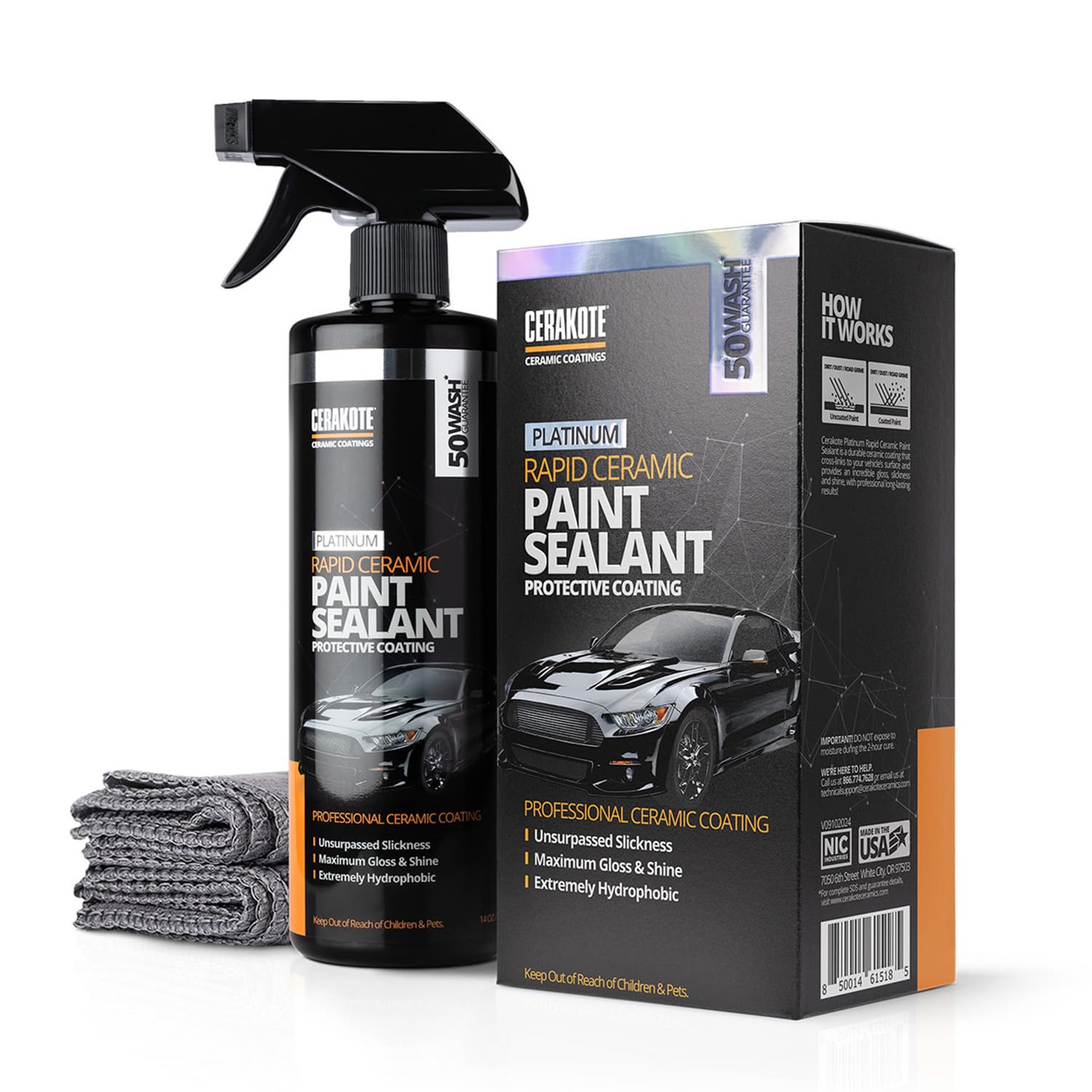 Cerakote Platinum Rapid Ceramic Paint Sealant Spray
ceramic-spray-coating
 Dr. Beasley's Film Coating Kit
ppf-coating
 Dr. Beasley's Matte Final Finish
quick-detailer
 Fix-A-Flat S60420 Aerosol Emergency Tire Sealant
tire-repair-kit
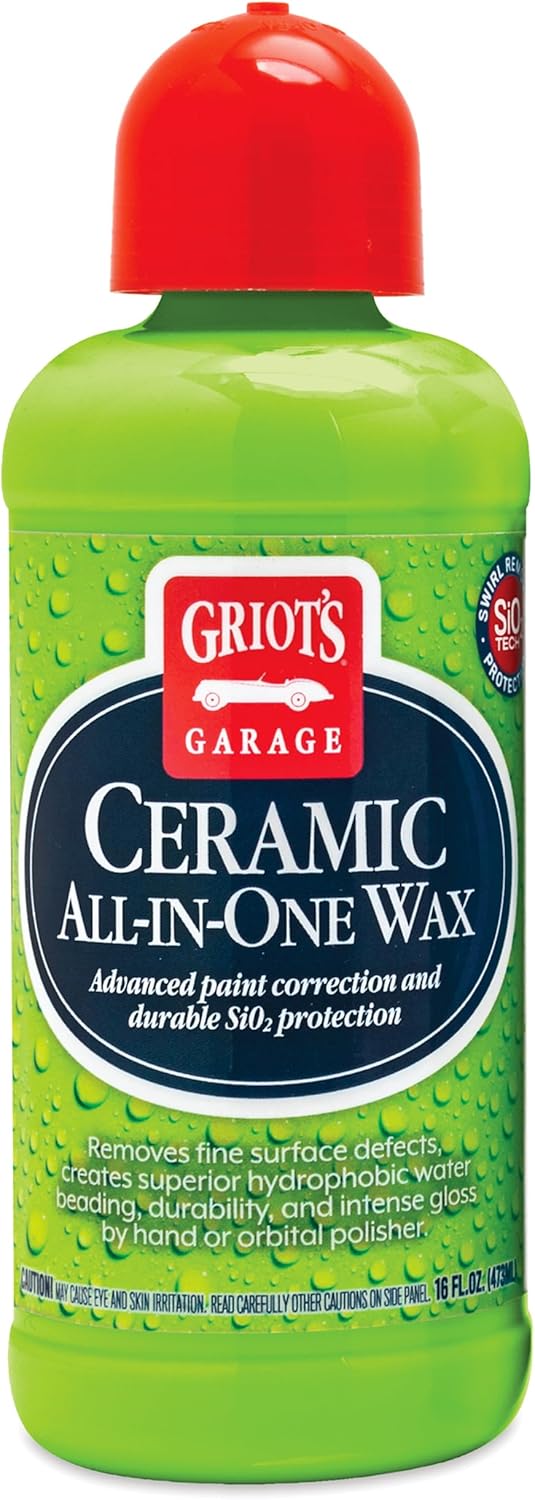 Griot's Garage Ceramic All-In-One Wax
all-in-one-wax
 Meguiar's Hybrid Ceramic DetailerProp 65
ceramic-booster
 NOCO E404 Battery Terminal Cleaner and Acid DetectorProp 65
battery-terminal-cleaner
 Sea Foam Deep Creep
penetrating-oil
 Sea Foam Motor Treatment
oil-additive
 Sea Foam Motor Treatment (3-Pack)
fuel-system-cleaner
 Sea Foam Spray SS14 Top Engine Cleaner & Lube
carb-cleaner
 SONAX CC36 Ceramic Coating Kit
ceramic-coating
 Turtle Wax Spot Clean Stain & Odor RemoverProp 65
fabric-upholstery-cleaner
 Turtle Wax Dash & Glass ProtectantProp 65
dashboard-protectant

Related
Health and environment notes translate the manufacturer Safety Data Sheet, the GHS classification, and authoritative regulatory listings (California Prop 65, EPA). Not medical advice. They describe the ingredient itself; whether a hazard applies to a finished product depends on its concentration and how it's used.