
Formic Acid
- Acids
- CAS 64-18-6
- IUPAC: Methanoic acid
Formic Acid (CAS 64-18-6) appears in 3 of the 2,122 car-care products CarCareTruth tracks (as of August 2026). It is classified as a VOC.
At 0.5% in formulated mixture, below GHS classification thresholds. Pure substance is H314 (skin corrosion), H302/H332 at higher concentrations — not applicable at formulated dilution per SDS mixture classification.
Formic acid (CAS 64-18-6) is the simplest carboxylic acid, occurring naturally and in certain insects and plants. In rust converter formulations it appears at 0.5% concentration, contributing to the acidic pH environment. The pure substance carries H314 (skin corrosion) and H302/H332 (acute toxicity) classifications, but at 0.5% in the formulated Corroseal mixture the contribution falls below GHS classification thresholds — the mixture is classified "Not classified" per the Rodda Paint SDS. Formic acid is rapidly biodegradable (formate is a common metabolic intermediate) with low aquatic toxicity (EC50 Daphnia >120 mg/L at 48h).
Health & environment profile
- VOC
- yes
- Prop 65 listed
- no
- Asthmagen
- no
- EPA Safer Choice
- no
- Aquatic toxicity
- no
- Biodegradable
- yes
- Bioaccumulative
- no
- Persistent
- no
- Ozone depleting
- no
- Microplastic
- no
- PFAS
- no
- Env. score
- 3/5
Common questions about Formic Acid
- What is Formic Acid used for in car care?
- Acidic component in rust converter formulations; contributes to the low pH environment that drives metal oxide conversion
- Is Formic Acid a VOC?
- Yes. Formic Acid is classified as a volatile organic compound (VOC).
- Is Formic Acid on California's Proposition 65 list?
- No. Formic Acid is not on California's Proposition 65 list.
- Is Formic Acid biodegradable?
- Yes. Formic Acid has a confirmed biodegradable profile.
3 products contain this
 Corroseal Water-Based Rust Converter Metal Primer
rust-converter
 Loctite Extend Rust NeutralizerProp 65
rust-converter
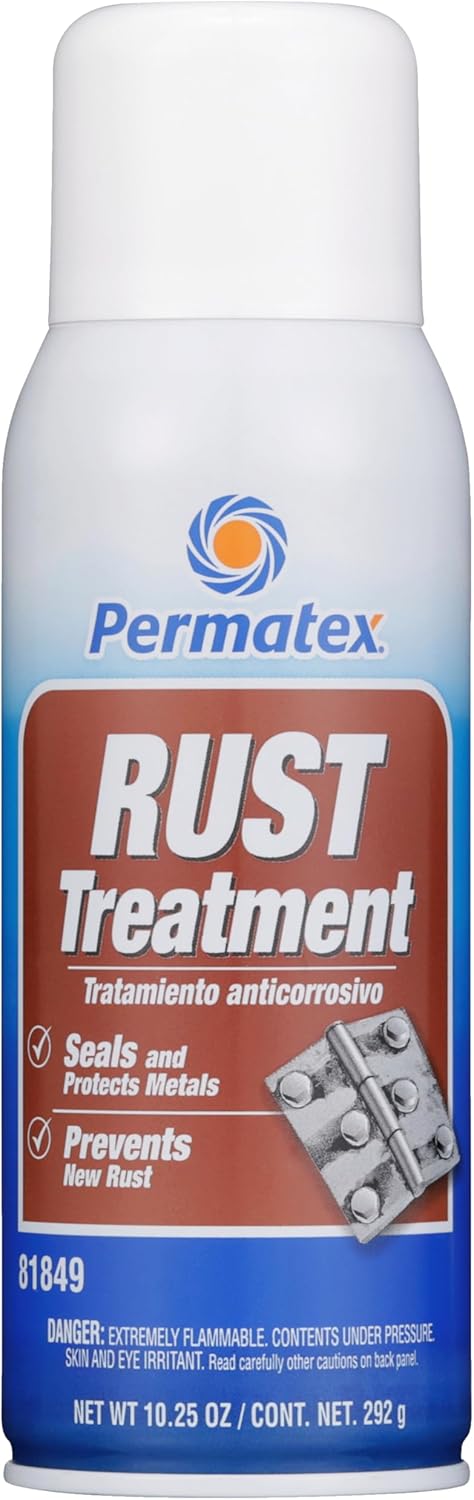 Permatex 81849 Rust TreatmentProp 65
rust-converter
Related
Health and environment notes translate the manufacturer Safety Data Sheet, the GHS classification, and authoritative regulatory listings (California Prop 65, EPA). Not medical advice. They describe the ingredient itself; whether a hazard applies to a finished product depends on its concentration and how it's used.