
Citral
- Fragrances
- CAS 5392-40-5
- IUPAC: 3,7-Dimethylocta-2,6-dienal
Citral (CAS 5392-40-5) appears in 7 of the 2,179 car-care products CarCareTruth tracks (as of August 2026). It is classified as a VOC.
Substance-level harmonised classification: Skin Irrit. 2 (H315), Eye Irrit. 2 (H319), Skin Sens. 1 (H317). The skin-sensitiser flag is the consumer-relevant concern — repeated dermal contact in sensitised individuals can produce an allergic contact-dermatitis response. At fragrance-level concentrations (<0.2%) in a finished detailing product, product-level classification often falls below the mixture-classification threshold for Skin Sens. 1 (1.0% under CLP) but triggers EUH208 'contains citral, may produce an allergic reaction.'
Citral (CAS 5392-40-5) is the principal lemon-grass aldehyde, a natural fragrance compound that appears at trace concentrations in many detailing products as an odor-masking agent for petroleum solvents and silicones. The substance is on the 26-allergen list under EU cosmetic regulation (Annex III of Regulation 1223/2009) and is one of the more common fragrance sensitisers in topical chemistry.
The health-relevant flag at consumer concentrations is Skin Sens. 1 (H317) — the allergic-skin-reaction classification. Citral does not produce dermatitis in unsensitised individuals; it produces it in the small fraction of users who have already become sensitised through prior exposure, often via cosmetic or fragrance products rather than detailing chemistry. The mixture-classification threshold under EU CLP is 1.0% for inclusion as a Cat 1 sensitiser in a final product; at fragrance-level concentrations (typically 0.1–0.2%) the supplemental EUH208 statement applies instead of a full H317 hazard call.
Environmentally, citral is readily biodegradable (90% in 28 days per the OECD biodegradability method on its EU Method C.4-D test) and does not bioaccumulate (Log Pow 2.76, well below the 4.5 threshold). At trace fragrance use rates the environmental load is negligible relative to the bulk solvent and carrier components of any product it appears in.
Health & environment profile
- VOC
- yes
- Prop 65 listed
- no
- Asthmagen
- no
- EPA Safer Choice
- no
- Aquatic toxicity
- yes
- Biodegradable
- yes
- Bioaccumulative
- no
- Persistent
- no
- Ozone depleting
- no
- Microplastic
- no
- PFAS
- no
- Env. score
- 5/5
Common questions about Citral
- What is Citral used for in car care?
- Lemon-scented natural fragrance compound used at trace concentrations (<0.2%) to mask petroleum-solvent odors in detailing chemistry.
- Is Citral a VOC?
- Yes. Citral is classified as a volatile organic compound (VOC).
- Is Citral on California's Proposition 65 list?
- No. Citral is not on California's Proposition 65 list.
- Is Citral biodegradable?
- Yes. Citral has a confirmed biodegradable profile.
7 products contain this
 303 Products 303 Leather 3-in-1 Complete CareProp 65
leather-care
 CarPro DarkSide Tire & Rubber Sealant
tire-dressing
 CarPro ECH2O Waterless Wash & Clay Lubricant Concentrate
clay-lubricant

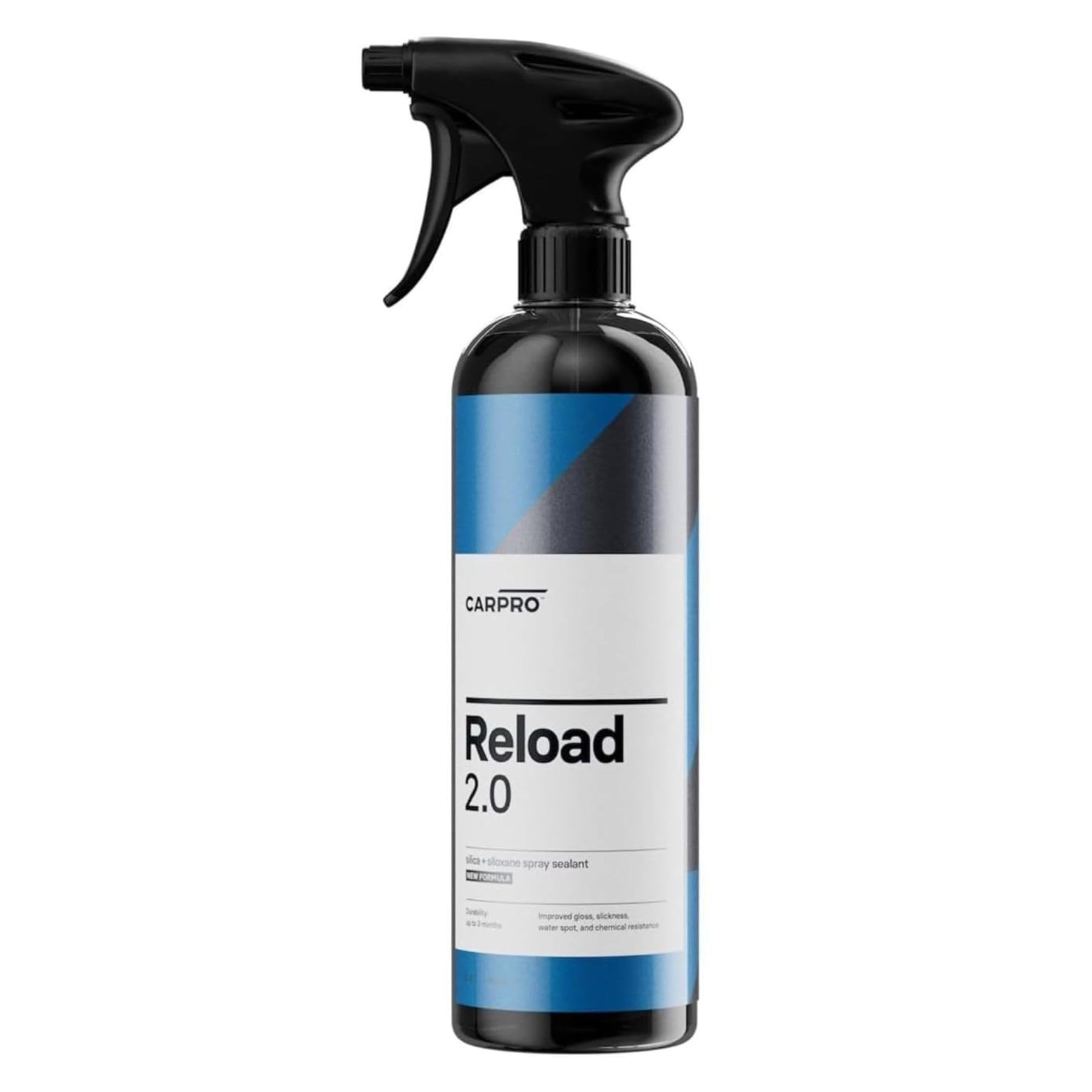 CarPro Reload 2.0 Spray Sealant
ceramic-booster
 SONAX Multi-Purpose Interior Cleaner
headliner-cleaner
 SONAX Upholstery & Alcantara CleanerProp 65
fabric-upholstery-cleaner
Related
Health and environment notes translate the manufacturer Safety Data Sheet, the GHS classification, and authoritative regulatory listings (California Prop 65, EPA). Not medical advice. They describe the ingredient itself; whether a hazard applies to a finished product depends on its concentration and how it's used.