CarCareTruth Score
Decent, but it's tough on the environment.
Opens Amazon in a new tab. No account needed to look.
Saved to your guest loadout. Sign up to also save to your Cabinet (consumables) or Kit (tools you own).
As an Amazon Associate I earn from qualifying purchases. Full disclosure
Prices may varyThis product ranks #3 of 15 in Coolant / Antifreeze.
Last reviewed June 17, 2026
TL;DR Toyota's own OEM coolant for 2004+ Toyota, Lexus, and Scion vehicles · the correct P-OAT (Phosphated OAT) pink formula to match the factory fill exactly. Toyota-stated 150,000-mile/10-year initial-fill interval; no independent VOA data on file. Ethylene glycol base; denatonium benzoate bittering agent is present. California Proposition 65 warning (ethylene glycol, reproductive harm pathway).
Toyota Genuine SLLC2 is the factory-branded P-OAT (Phosphated Organic Acid Technology) antifreeze for Toyota, Lexus, and Scion vehicles from 2004 onward · the pink-colored second generation replacing the earlier red SLLC. The phosphate-buffered, silicate-free inhibitor package carries a Toyota-stated service interval of 150,000 miles or 10 years for the initial fill and 50,000 miles or 5 years for subsequent fills. Sold 50/50 prediluted; the label clearly reads "DO NOT ADD WATER." Ethylene glycol base; denatonium benzoate bittering agent included.
Right choice for Toyota, Lexus, or Scion owners (2004+) whose vehicle originally received pink SLLC2 coolant · eliminates inhibitor compatibility questions and maintains the OEM fill spec. Skip for pre-2004 Toyota/Lexus/Scion (uses red SLLC), non-Toyota OEMs with different inhibitor requirements, or if you prefer a propylene glycol formula for reduced ingestion risk.
Ethylene glycol base with a WARNING-level GHS classification; harmful if swallowed, and classified for potential kidney effects from prolonged repeated exposure. California Proposition 65 warning applies (ethylene glycol, reproductive harm). SDS specifies chemical-resistant gloves where skin contact is possible and goggles where splashing is possible. Collect spent coolant for recycling at auto parts stores; drain disposal is prohibited under the Clean Water Act.
Toyota Genuine SLLC2 is designed for Toyota, Lexus, and Scion vehicles model year 2004 and newer that were originally factory-filled with pink coolant. Earlier Toyota/Lexus/Scion models (pre-2004) used the red SLLC formula (part number 00272-SLLC). The pink color identifies the SLLC2 generation; mixing SLLC and SLLC2 or using a different inhibitor technology in a vehicle designed for SLLC2 can compromise corrosion protection. Check your owner's manual or Toyota's parts portal (autoparts.toyota.com) to confirm which coolant generation your vehicle requires.
Toyota SLLC2 uses a P-OAT (Phosphated Organic Acid Technology) formula · sometimes called HOAT in US market terminology. The SDS §3 ingredient list shows ethylene glycol as the base (87·95%) plus a proprietary inhibitor package described as 'hydrated inorganic acid, organic acid salts.' Industry sources describe this as a phosphate-buffered OAT: silicate-free, nitrite-free, amine-free, borate-free, with phosphate in the buffer system as a pH stabilizer. It is not a pure OAT (no silicate at all), nor a silicate-containing HOAT (no silicate) · P-OAT is the most accurate classification.
Per Toyota's OEM documentation and owner's manuals, the service interval is 150,000 miles or 10 years for the initial factory fill, and 50,000 miles or 5 years for subsequent refills after the first drain. These intervals reflect the P-OAT inhibitor chemistry's extended service life. Independent used-coolant analysis (VOA) data specifically corroborating Toyota SLLC2's inhibitor reserve at the claimed intervals is not publicly available in community sources (BITOG) as of June 2026.
Yes. The SDS confirms this product contains a bittering agent (denatonium benzoate), added to deter incidental ingestion by pets and children. It does not change the H302 (harmful if swallowed, Cat 4) toxicity classification · ethylene glycol coolant is still harmful if swallowed · but it meaningfully reduces the risk of voluntary consumption due to its intensely bitter taste.
The front-of-bottle label uses consumer boilerplate language that is stronger than the SDS classification. The SDS §2.1 assigns H302 (Acute Toxicity Oral, Category 4 · harmful if swallowed), not H300 (fatal if swallowed, Category 1/2). The label wording reflects legal-conservative phrasing common on many EG coolants; the binding GHS classification is in the SDS §2.1. This product does not carry H300.
No. Ethylene glycol coolant · used or fresh · must be collected and brought to a recycling program. Most auto parts stores (AutoZone, O'Reilly Auto Parts, Advance Auto Parts) accept used coolant at no charge. Ground or drain disposal is prohibited under the Clean Water Act in most US jurisdictions. The sweet smell of ethylene glycol also attracts pets and wildlife, increasing the ingestion risk from spills.
Marketing copy from Toyota, via Amazon. Not editorial.
Weekly pick
One product, one safety verdict, every week. No spam.
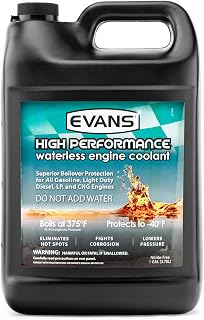
Evans Cooling Systems
Evans High Performance Waterless Engine Coolant
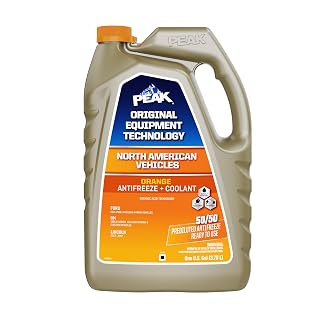
PEAK
OET Extended Life Orange 50/50 Prediluted Antifreeze/Coolant
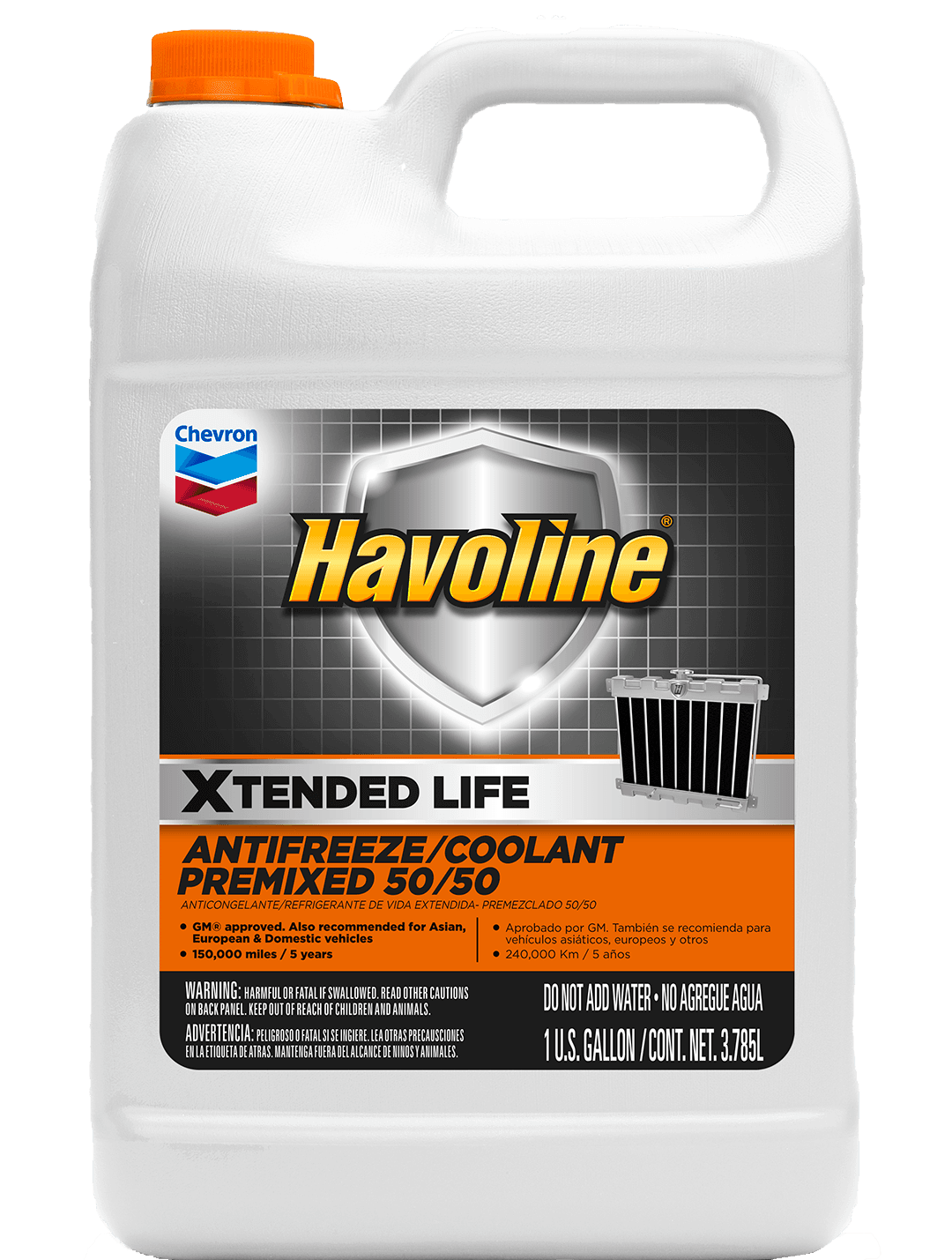
Havoline
Xtended Life Antifreeze/Coolant Pre-mix 50/50
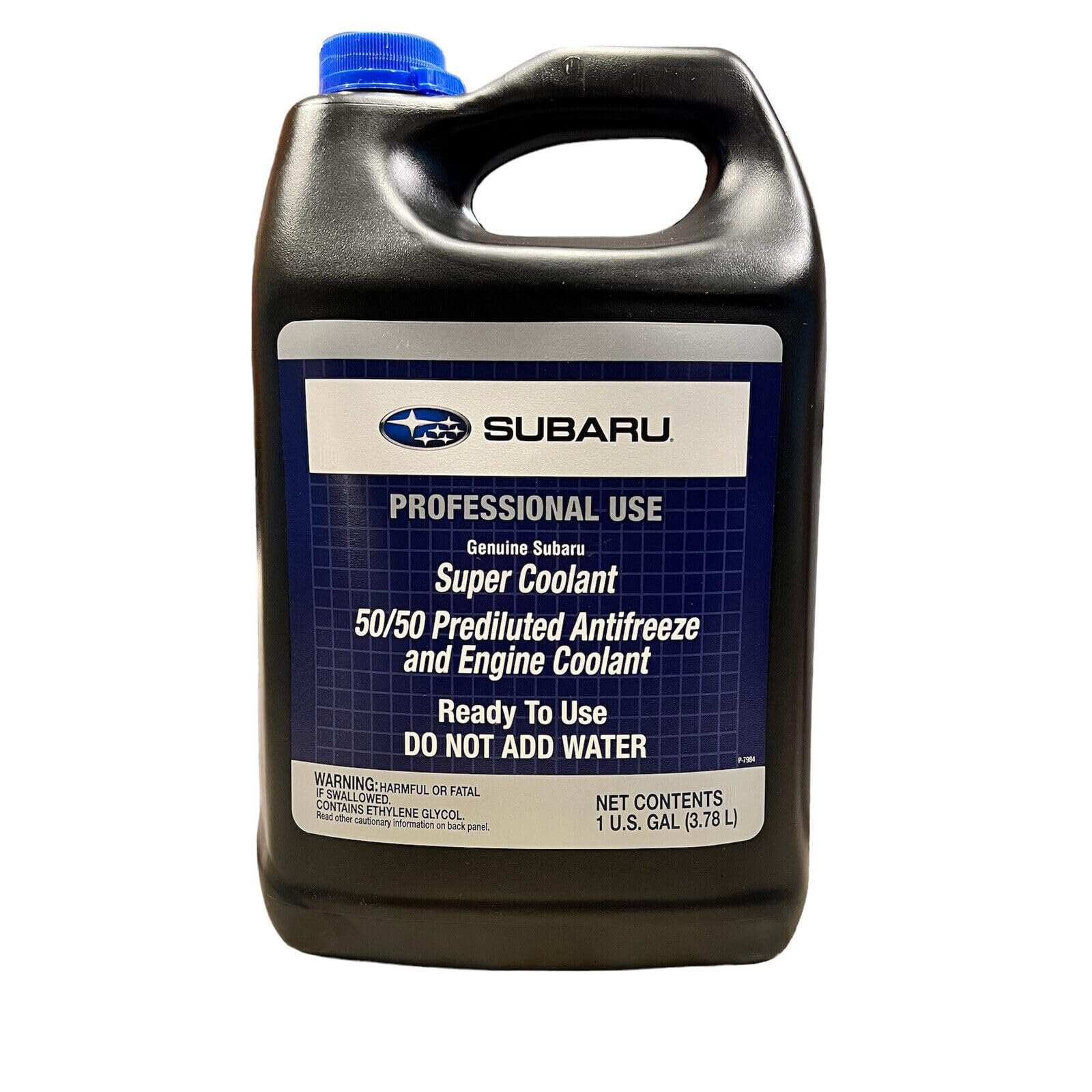
Subaru
Genuine Super Coolant Blue Prediluted
As an Amazon Associate I earn from qualifying purchases. Full disclosure

Community
0 postsShare how you use this product
Drop a quick comment or post a full review with photos and a star rating.
Sign in to postNew here? Create a free account.