CarCareTruth Score
Decent, but wear gloves and ventilate.
Opens Amazon in a new tab. No account needed to look.
Saved to your guest loadout. Sign up to also save to your Cabinet (consumables) or Kit (tools you own).
As an Amazon Associate I earn from qualifying purchases. Full disclosure
Prices may varyHealth score is for adult use as intended, per the manufacturer's SDS. It does not model child ingestion, accidental spill cleanup, or off-label use. See the safety panel below for full hazard classification, and /disclaimer for the full editorial scope.
GHS hazard codes are quoted from the manufacturer’s Safety Data Sheet. PPE tiers below translate those codes and the listed ingredient chemistry; they are not CarCareTruth recommendations.
Show details for all categories ▾Hide details ▴
Translated from the manufacturer’s Safety Data Sheet, Section 2
H319 (Eye Irritation Cat 2A) confirmed in SDS §2. At DA polisher operating speeds (3,000-6,500 OPM), compound can splatter from the pad edge · splash contact with the eyes is a plausible route during machine application. Safety glasses during machine polishing sessions.
U.S. regulatory standard
29 CFR 1910.133(a)(1)
“The employer shall ensure that each affected employee uses appropriate eye or face protection when exposed to eye or face hazards from… liquid chemicals…”
ANSI Z87.1 (incorporated via §1910.6)
OSHA standards apply to workplaces. Cited here as the U.S. reference threshold for the underlying hazard class.
CarCareTruth publishes the cited sources verbatim and does not advise what action a user should take. Consult the full SDS before use.
Only when: prolonged use
Translated from the manufacturer’s Safety Data Sheet, Section 8
H316 (Skin Corrosion Cat 3 / mild irritant) and H313 (Acute Tox Cat 5 dermal) present. SDS §8 states skin protection not normally required. Gloves warranted for prolonged or repeated contact during extended multi-panel correction sessions.
U.S. regulatory standard
29 CFR 1910.138(a)
“appropriate hand protection when employees' hands are exposed to hazards such as those from…”
OSHA standards apply to workplaces. Cited here as the U.S. reference threshold for the underlying hazard class.
CarCareTruth publishes the cited sources verbatim and does not advise what action a user should take. Consult the full SDS before use.
Only when: in enclosed space · prolonged use
Translated from the manufacturer’s Safety Data Sheet, Section 8
SDS Section 8 calls for good general ventilation, equivalent to outdoors, and states it is adequate under normal conditions. Section 2 carries H333 (Acute Toxicity Category 5, inhalation, the mildest 'may be harmful' tier) but no H334, H335, or H331, and Section 11 reports no respiratory tract irritation. This is a ventilation precaution for enclosed garage spaces or extended machine-polishing sessions, not a mixture-level respiratory hazard.
CarCareTruth publishes the cited sources verbatim and does not advise what action a user should take. Consult the full SDS before use.
No PPE specified in published sources for ventilation. Absence does not imply “not needed” — consult the full Safety Data Sheet.
PPE tiers translate the manufacturer’s SDS and U.S. regulatory standards. Not professional safety advice. How we report safety.
Scope of these PPE tiers. The tiers on this page translate the product's Safety Data Sheet where one is published, plus its ingredient chemistry, into a comparable rating. They describe a formulation, not a situation: a tier is not a safety determination for any specific user, task, quantity, or environment. The manufacturer's label and use instructions govern how the product is handled. Where the product is used at work, the employer's PPE program and hazard assessment under 29 CFR 1910.132 decide what protection is selected, not this page.
No warranties. CarCareTruth makes no warranties, express or implied, and expressly disclaims the implied warranties of merchantability and fitness for a particular purpose.
This product ranks #8 of 9 in Compound & One-Step.Three above it ↓
Last reviewed May 28, 2026
TL;DR Light-to-medium-cut compound · community evidence confirms 1500/1700-grit sanding mark removal in 1-2 DA passes; finishing is clean enough to move straight to a finishing polish without a re-compound step. Working time is generous and pad behavior is forgiving across DA, rotary, and hand application. The SDS carries a WARNING signal word (H319 Eye Irritation); wear safety glasses during DA machine application due to pad splatter. The formula carries a California Prop 65 warning.
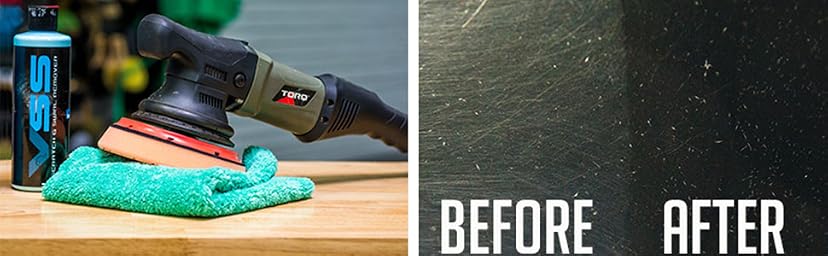
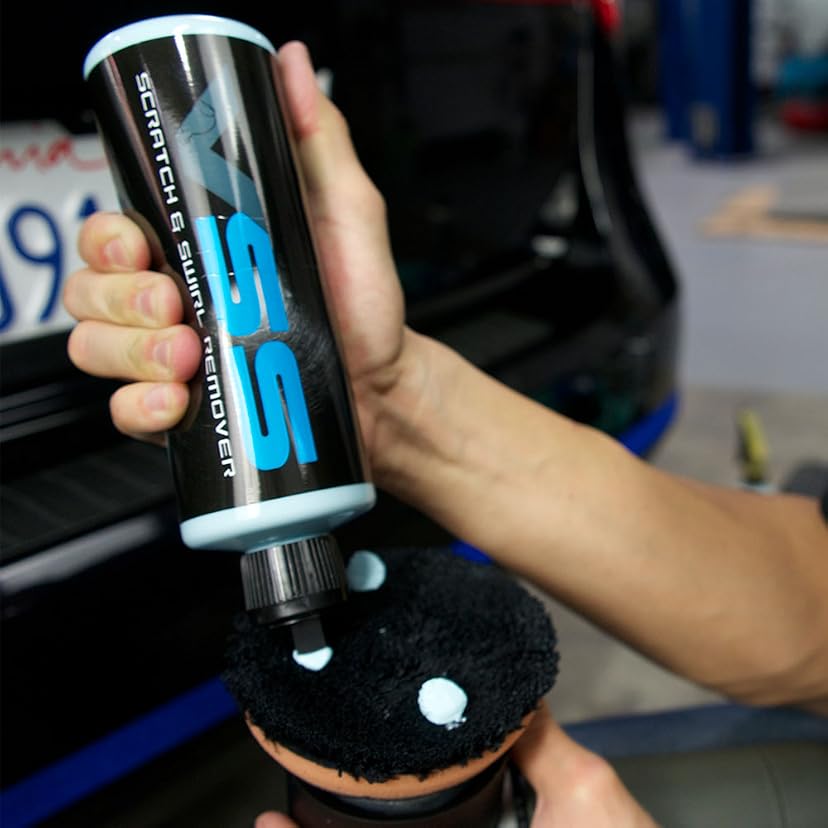
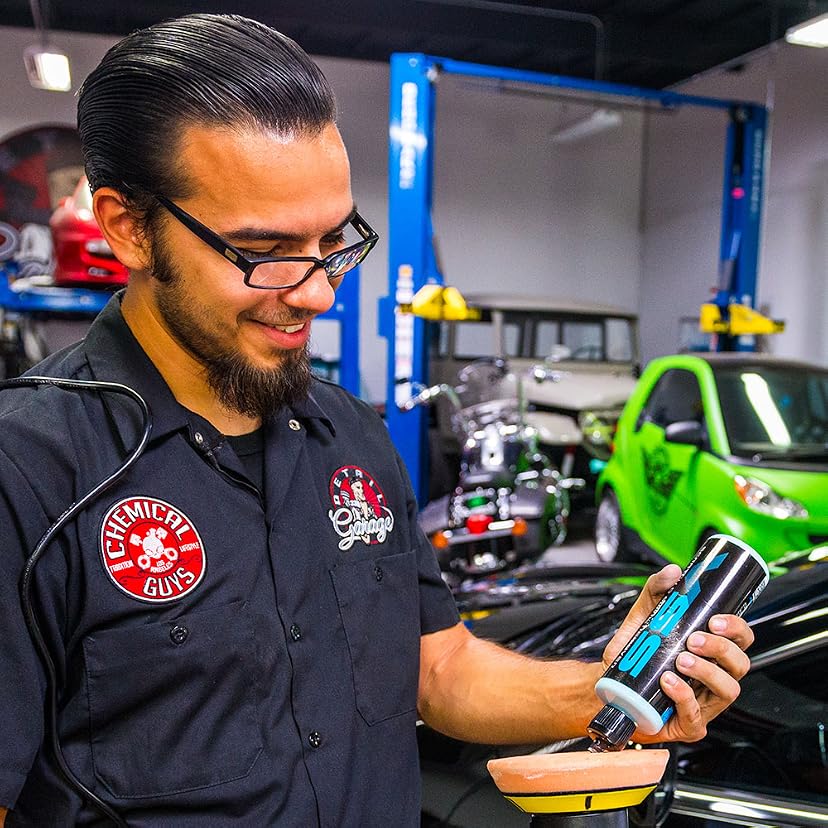
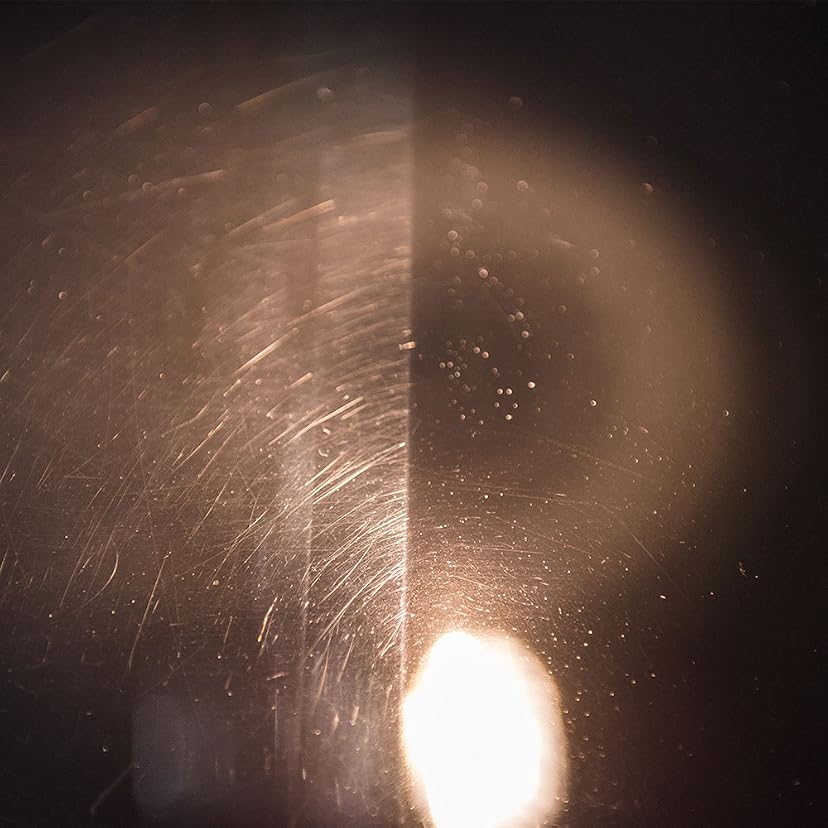
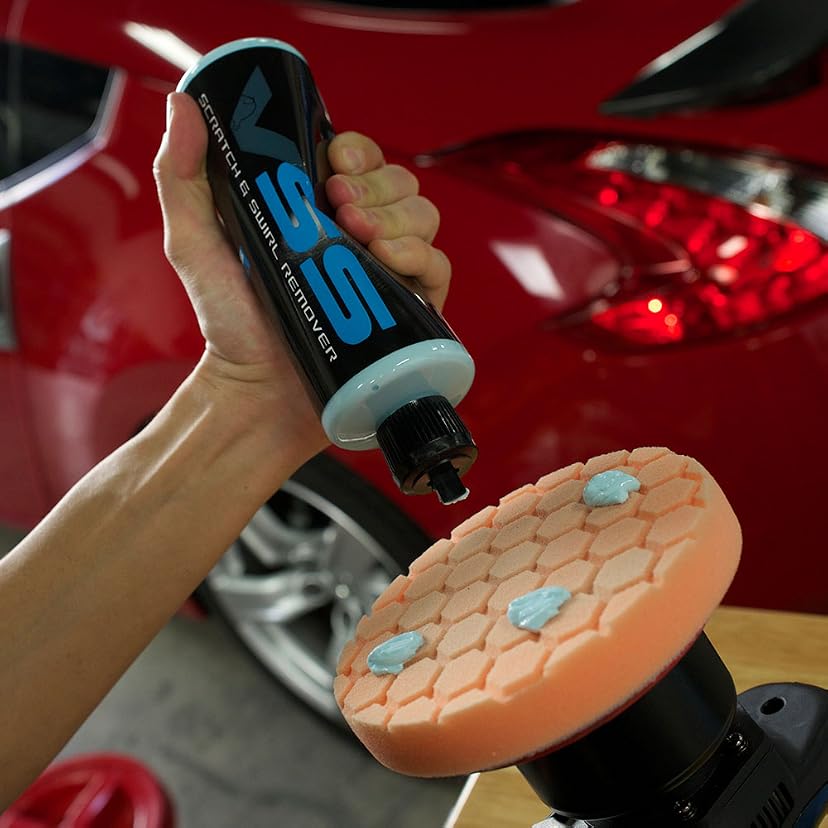
A small dollop on a foam cutting pad, work the panel at moderate DA speed for 60-90 seconds, wipe off · the cycle is quick and the compound wipes cleanly without heavy residue. VSS performs at the light-to-medium-cut tier: community testing in detailing forums documents reliable removal of moderate swirls, buffer trails, and 1500-1700-grit sanding marks in one to two DA passes on typical OEM clear coats. It does not reach heavy-cut territory · deep scratches and sanding marks coarser than 1200-grit require a heavier compound. After compounding, the surface is clean enough to go straight to a finishing polish; a re-compound step is not typically needed. The formula is body-shop-safe and silicone-free, which makes it suitable for use before additional paint or clear-coat work.
The right buyer is a home detailer or detail shop correcting a daily driver with swirl patterns, buffer trails, or light sanding marks · VSS's cut level matches that defect severity well without risk of burning through thin OEM clear coats. The forgiving working time and pad and machine flexibility make it particularly accessible for first-time DA polisher users. Skip it if the correction target is deep scratches, heavy oxidation, or 1000-grit sanding marring · Meguiar's M105 or a comparable heavy-cut compound is the right tool at that level.
The SDS carries a WARNING signal word from Eye Irritation Cat 2A (H319). At DA polisher operating speeds, compound can splatter from the pad edge · safety glasses are the appropriate protection during machine application. The formula also carries mild skin irritant (H316) and Acute Toxicity Cat 5 codes (H303/H313) · no H315 Cat 2, no CMIT/MIT asthmagen. The preservative system is formaldehyde-releasing hydantoin chemistry, not isothiazolinone, confirmed from SDS §3. The formula carries a California Prop 65 warning; the SDS does not specify the trigger chemical, but trace crystalline silica from the mineral abrasive system is a common source in compound formulas. VOC is 45 g/L (CARB compliant); the isoakane carrier gives a flash point of 94°C · combustible but not flammable under normal use conditions.
VSS is a light-to-medium-cut compound. Community evidence in detailing forums confirms it removes moderate swirls and 1500/1700-grit sanding marks in 1-2 DA passes on typical OEM clear coats. It is not a heavy-cut compound · deep scratches, 1200-grit sanding marks, and heavy oxidation require a dedicated heavy-cut compound like Meguiar's M105.
Chemical Guys markets VSS as silicone-free and body-shop-safe, meaning it does not interfere with paint adhesion when correcting fresh paint or panels destined for additional refinishing. Community usage in body shop and detail shop correction threads supports the silicone-free claim · VSS is commonly used as a final correction step before clear-coat work.
Yes. Chemical Guys' application guide supports both hand application with a microfiber applicator and DA or rotary polisher application with foam or microfiber cutting pads. Hand application produces lighter cut and is appropriate for spot defects and maintenance correction. Machine application with a foam cutting pad is the standard route for panel correction.
The SDS carries a WARNING signal word (not DANGER). GHS classifications: Eye Irritation Cat 2A (H319 · the primary health classification), Combustible Liquid Cat 4 (H227 · physical hazard from the isoakane carrier at flash point 94°C), mild skin irritation Cat 3 (H316), and Acute Toxicity Cat 5 codes for oral/dermal/inhalation (H303/H313/H333 · the mildest 'may be harmful' tier). Safety glasses are the key PPE during DA polisher application. The formula carries a California Prop 65 warning.
No. SDS §3 lists DMDM Hydantoin (CAS 6440-58-0) and a related formaldehyde-releasing preservative as the preservative system at ≤0.001% · these are not isothiazolinones (CMIT/MIT). The formula does not carry the asthmagen classification associated with CMIT/MIT-based compounds.
Marketing copy from Chemical Guys, via Amazon. Not editorial.
Weekly pick
One product, one safety verdict, every week. No spam.

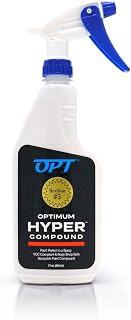
Optimum
Hyper Compound
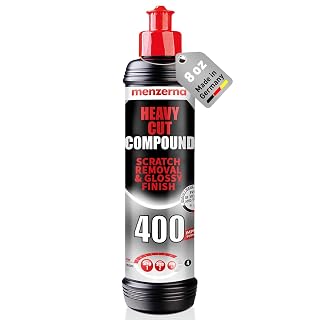
Menzerna
Heavy Cut Compound 400
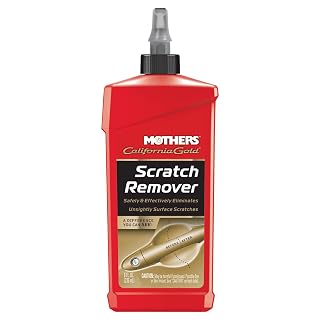
Mothers
California Gold Scratch Remover
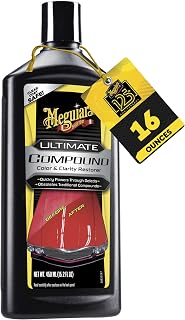
Meguiar's
Ultimate Compound
As an Amazon Associate I earn from qualifying purchases. Full disclosure

Community
0 postsShare how you use this product
Drop a quick comment or post a full review with photos and a star rating.
Sign in to postNew here? Create a free account.