
Triethanolamine
- Bases
- CAS 102-71-6
- IUPAC: 2,2',2''-nitrilotriethanol
Triethanolamine (CAS 102-71-6) appears in 16 of the 2,122 car-care products CarCareTruth tracks (as of August 2026). It is readily biodegradable.
H319 (eye irritation) at ingredient level. Mild skin irritant in some individuals. Not classified as a sensitizer at typical use concentrations. The N-nitrosamine pathway is of regulatory concern but requires specific co-formulation conditions.
Triethanolamine (TEA) is a tertiary amine alcohol used as a pH buffer, emulsifier, and chelating agent in cleaning and personal care formulations. At consumer product concentrations (typically <2%) it is not significantly hazardous; the primary regulatory concern is the potential for in-bottle reaction with nitrosating co-ingredients to form N-nitrosodiethanolamine (NDELA), a Prop 65 carcinogen. Modern formulations using TEA generally avoid the co-ingredients that drive that pathway.
Health & environment profile
- VOC
- no
- Prop 65 listed
- no
- Asthmagen
- no
- EPA Safer Choice
- no
- Aquatic toxicity
- no
- Biodegradable
- yes
- Bioaccumulative
- no
- Persistent
- no
- Ozone depleting
- no
- Microplastic
- no
- PFAS
- no
- Env. score
- 4/5
Common questions about Triethanolamine
- What is Triethanolamine used for in car care?
- pH buffer and emulsifier in cleaning and conditioning formulations; mildly alkaline
- Is Triethanolamine a VOC?
- No. Triethanolamine is not classified as a volatile organic compound (VOC).
- Is Triethanolamine on California's Proposition 65 list?
- No. Triethanolamine is not on California's Proposition 65 list.
- Is Triethanolamine biodegradable?
- Yes. Triethanolamine has a confirmed biodegradable profile.
16 products contain this
 Adam's Polishes Adam's Leather ConditionerProp 65
leather-conditioner
 Armor All Extreme Shield Protect & Shine Ceramic WaxProp 65
ceramic-spray-coating
 Armor All Leather Care Spray with BeeswaxProp 65
leather-care
 Armor All Original ProtectantProp 65
exterior-dressing
 Armor All Ultra Shine ProtectantProp 65
dashboard-protectant
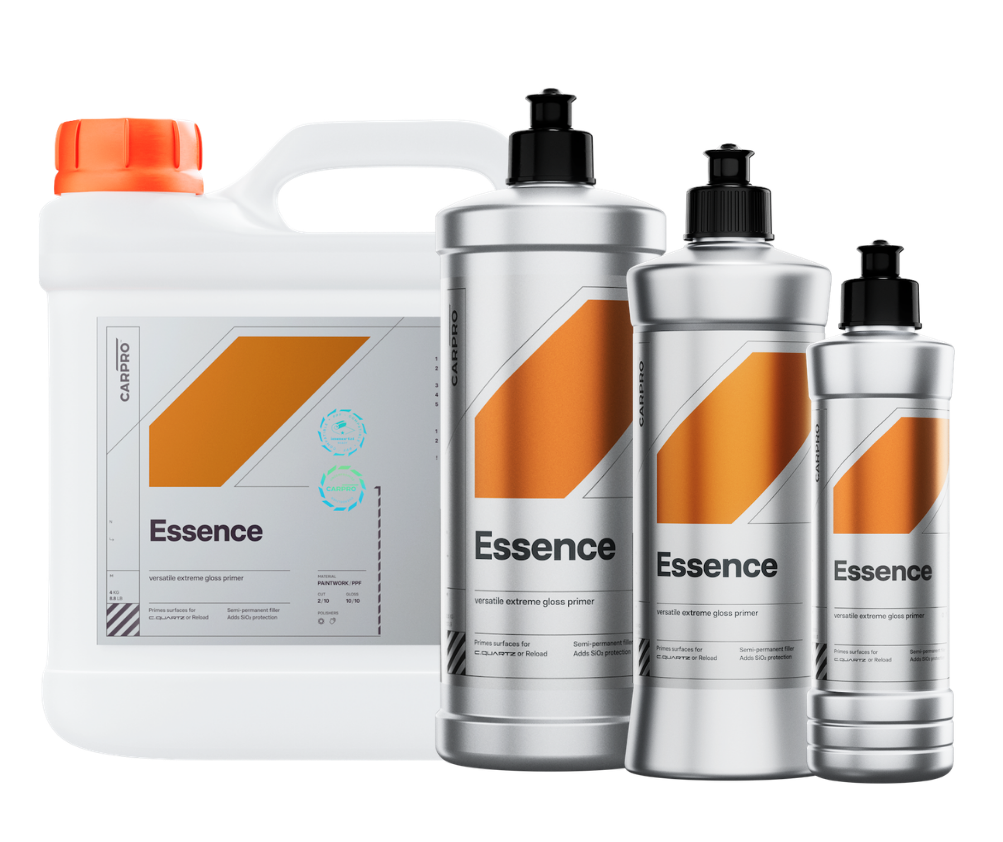
 CarPro Reflect High Gloss Finishing Polish
finishing-polish
 Formula 1 Interior Detailing Protectant Spray
dashboard-protectant
 Prop 65
 Meguiar's Professional So1o All-In-One M300
one-step-polish
 Mothers Mag & Aluminum Polish
chrome-polish
 nextzett Cockpit Premium Interior and Dashboard CleanerProp 65
dashboard-protectant
 nextzett Gummi Pflege Rubber Care Stick
weatherstrip-conditioner
 Simple Green Pro HD Heavy-Duty Cleaner & DegreaserProp 65
engine-degreaser
 SONAX CC36 Ceramic Coating Kit
ceramic-coating
 Prop 65
Related
Health and environment notes translate the manufacturer Safety Data Sheet, the GHS classification, and authoritative regulatory listings (California Prop 65, EPA). Not medical advice. They describe the ingredient itself; whether a hazard applies to a finished product depends on its concentration and how it's used.