
Silicon Dioxide (SiO₂)
- Ceramic (SiO₂)
- CAS 7631-86-9
- IUPAC: Silicon dioxide
Silicon Dioxide (SiO₂) (CAS 7631-86-9) appears in 5 of the 2,122 car-care products CarCareTruth tracks (as of August 2026).
Inert once cured. The inhalation concern is dose- and form-specific: aerosolized professional coatings (high SiO₂ %, solvent carrier, true atomized spray) warrant a respirator; dilute consumer pump-spray sealants (1-5% SiO₂ in water) do not. Defer to the product-level PPE block for the final call.
Silicon dioxide is the active ingredient in ceramic coatings. When applied as a nanoparticle suspension and allowed to cure, it forms a hard, glass-like layer that's extremely hydrophobic and resistant to chemical attack.
The cured coating is completely inert — it's literally glass. The health concern is during application only: SiO₂ nanoparticles suspended in solvent can be inhaled. Once cured (24-48 hours), there's zero ongoing health risk.
Environmentally, SiO₂ is abundant in nature (it's sand), but the nanoparticle form persists indefinitely. Not toxic, just persistent.
Health & environment profile
- VOC
- no
- Prop 65 listed
- no
- Asthmagen
- no
- EPA Safer Choice
- no
- Aquatic toxicity
- no
- Biodegradable
- no
- Bioaccumulative
- no
- Persistent
- yes
- Ozone depleting
- no
- Microplastic
- no
- PFAS
- no
- Env. score
- 4/5
Common questions about Silicon Dioxide (SiO₂)
- What is Silicon Dioxide (SiO₂) used for in car care?
- Ceramic coating active — forms hard hydrophobic layer
- Is Silicon Dioxide (SiO₂) a VOC?
- No. Silicon Dioxide (SiO₂) is not classified as a volatile organic compound (VOC).
- Is Silicon Dioxide (SiO₂) on California's Proposition 65 list?
- No. Silicon Dioxide (SiO₂) is not on California's Proposition 65 list.
5 products contain this
 Adam's Polishes Spray Wax
spray-wax
 Fix-A-Flat S60420 Aerosol Emergency Tire Sealant
tire-repair-kit
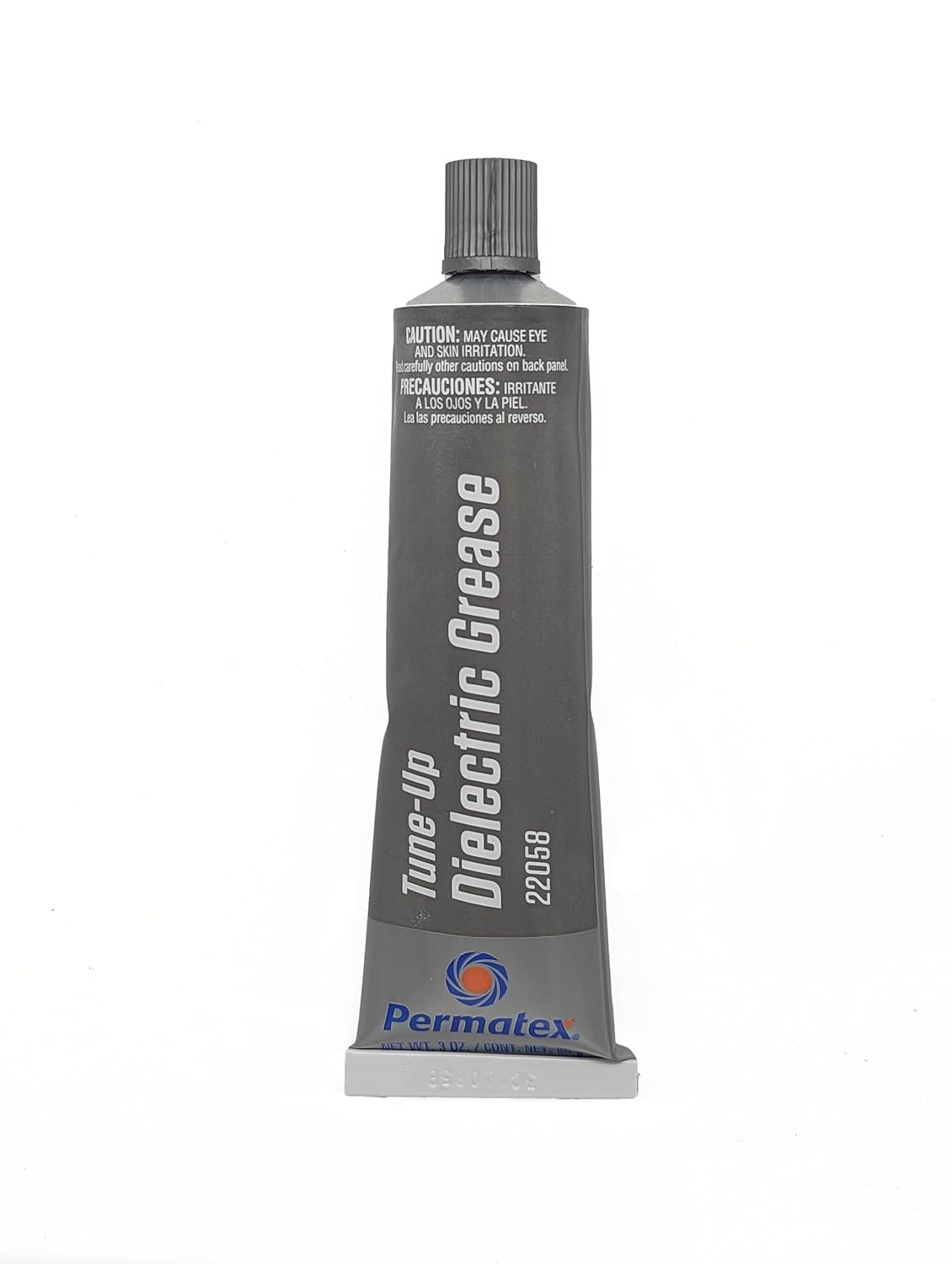 Permatex Dielectric Tune-Up Grease, 3 oz
dielectric-grease
 Turtle Wax Hybrid Solutions Ceramic Polish & WaxProp 65
all-in-one-wax
 Turtle Wax Hybrid Solutions Ceramic Spray Coating
ceramic-spray-coating
Related
Health and environment notes translate the manufacturer Safety Data Sheet, the GHS classification, and authoritative regulatory listings (California Prop 65, EPA). Not medical advice. They describe the ingredient itself; whether a hazard applies to a finished product depends on its concentration and how it's used.