
Orange Oil, Sweet
- Other solvents
- CAS 8008-57-9
- IUPAC: Orange oils, sweet
Orange Oil, Sweet (CAS 8008-57-9) appears in 6 of the 2,122 car-care products CarCareTruth tracks (as of August 2026), 1 of which carry a DANGER signal word on their published Safety Data Sheet. It is classified as a respiratory sensitizer (asthmagen) and classified as a VOC.
H315 (Skin Irritation Cat 2), H317 (Skin Sensitizer Cat 1 — d-limonene component), H226 (Flammable Liquid Cat 3), H304 (Aspiration Hazard Cat 1). D-limonene is the primary sensitizing component and is on AOEC asthmagen list. At detailing-product concentrations (0.1–1% of concentrate), skin sensitization is the primary real-world concern for repeat users. Not Prop 65 listed.
Orange oil, sweet (CAS 8008-57-9) is a cold-pressed citrus peel essential oil used in cleaning products as both a fragrance ingredient and a mild solvent. Its primary active constituent is d-limonene (typically 90–95% of the oil by weight).
Asthmagen status: d-Limonene, the dominant component, is on the AOEC (Association of Occupational and Environmental Clinics) asthmagen list as a workplace sensitizer. Orange oil sweet inherits this designation. However, at product-level fragrance concentrations (0.1–1% of concentrate), the asthmagen risk is primarily relevant for occupationally exposed workers with repeated daily exposure — not for home detailers using the product occasionally. The asthmagen flag is set here for accurate ingredient-level disclosure; product-level scoring applies the category rubric rules for asthmagen triggers.
Skin sensitization: d-Limonene (H317 Skin Sens. Cat 1) is among the most common causes of occupational contact allergy in European patch-test studies. At fragrance concentrations in APCs, cumulative sensitization over repeated use is the primary mechanism. Users who develop a limonene allergy may react to products at concentrations well below the GHS classification threshold.
Aspiration hazard: H304 (Asp. Tox. 1) at ingredient level reflects orange oil's viscosity and lipophilicity — relevant only for accidental ingestion scenarios, not for skin contact or inhalation during normal use.
Health & environment profile
- VOC
- yes
- Prop 65 listed
- no
- Asthmagen
- yes
- EPA Safer Choice
- no
- Aquatic toxicity
- yes
- Biodegradable
- yes
- Bioaccumulative
- no
- Persistent
- no
- Ozone depleting
- no
- Microplastic
- no
- PFAS
- no
- Env. score
- 3/5
Common questions about Orange Oil, Sweet
- What is Orange Oil, Sweet used for in car care?
- Citrus-derived fragrance and mild co-solvent/degreaser; provides characteristic citrus scent in alkaline cleaners
- Is Orange Oil, Sweet a VOC?
- Yes. Orange Oil, Sweet is classified as a volatile organic compound (VOC).
- Is Orange Oil, Sweet on California's Proposition 65 list?
- No. Orange Oil, Sweet is not on California's Proposition 65 list.
- Is Orange Oil, Sweet a respiratory sensitizer?
- Yes. Orange Oil, Sweet is classified as a respiratory sensitizer (asthmagen).
- Is Orange Oil, Sweet biodegradable?
- Yes. Orange Oil, Sweet has a confirmed biodegradable profile.
6 products contain this
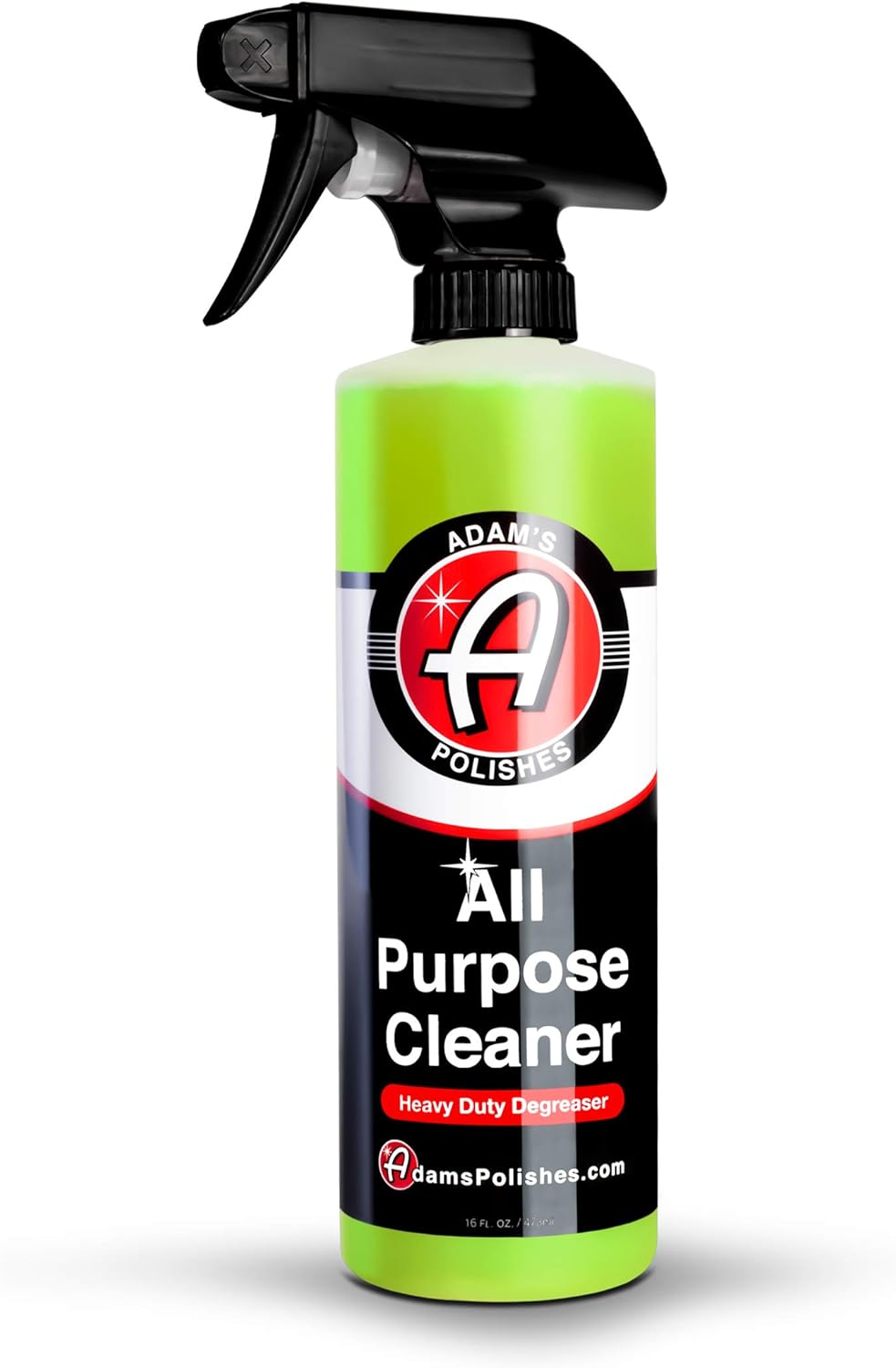 Adam's Polishes All Purpose CleanerProp 65
all-purpose-cleaner
 Adam's Polishes Adam's Tire & Rubber CleanerProp 65
tire-cleaner
 Adam's Polishes Adam's Trim Cleaner
plastic-trim-cleaner
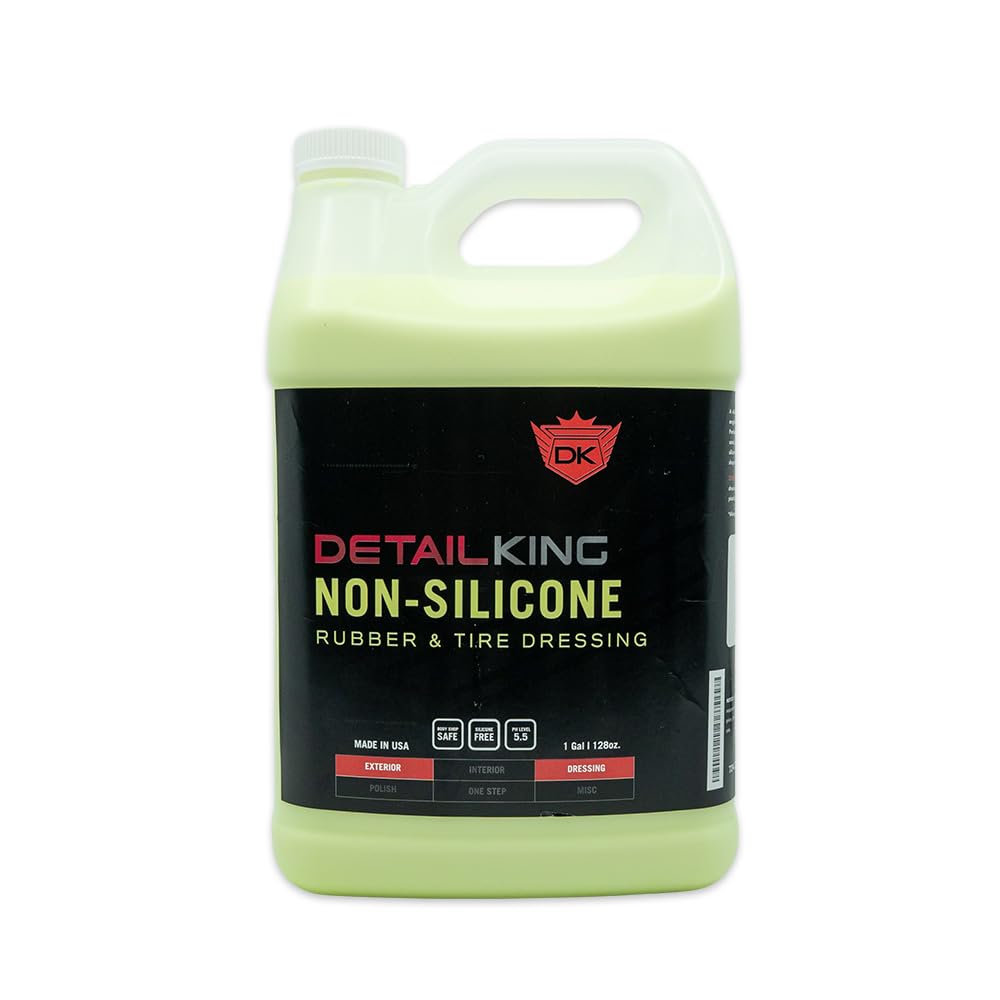 Detail King Non-Silicone Engine Bay Dressing
engine-bay-dressing
 Gyeon Q²M WaterSpot
water-spot-remover
Related
Health and environment notes translate the manufacturer Safety Data Sheet, the GHS classification, and authoritative regulatory listings (California Prop 65, EPA). Not medical advice. They describe the ingredient itself; whether a hazard applies to a finished product depends on its concentration and how it's used.