
Isobutane
- Aliphatic solvents
- CAS 75-28-5
- IUPAC: 2-Methylpropane
Isobutane (CAS 75-28-5) appears in 12 of the 2,122 car-care products CarCareTruth tracks (as of August 2026). It is readily biodegradable.
Simple asphyxiant and extremely flammable gas (H220). No specific organ toxicity. Risk profile is fire and explosion only — keep aerosols containing isobutane away from heat and ignition sources.
Isobutane (2-methylpropane) is a four-carbon branched alkane gas used as an aerosol propellant alongside propane and n-butane. It is interchangeable with butane in most formulations and shares the same H220 (extremely flammable gas) + H280 (gas under pressure) classification — fire hazard only, no inhalation toxicity beyond simple asphyxiation at very high concentrations.
Not on Prop 65, not an asthmagen, not a sensitizer, not aquatic-toxic. Disperses as a gas immediately on release. The danger profile is identical to propane and butane — fire and explosion, not chronic toxicity. EPA and CARB classify isobutane as VOC-exempt for aerosol propellant use.
Health & environment profile
- VOC
- no
- Prop 65 listed
- no
- Asthmagen
- no
- EPA Safer Choice
- no
- Aquatic toxicity
- no
- Biodegradable
- yes
- Bioaccumulative
- no
- Persistent
- no
- Ozone depleting
- no
- Microplastic
- no
- PFAS
- no
- Env. score
- 4/5
Common questions about Isobutane
- What is Isobutane used for in car care?
- Aerosol propellant — branched four-carbon alkane gas used alongside propane and n-butane to pressurize aerosol cans
- Is Isobutane a VOC?
- No. Isobutane is not classified as a volatile organic compound (VOC).
- Is Isobutane on California's Proposition 65 list?
- No. Isobutane is not on California's Proposition 65 list.
- Is Isobutane biodegradable?
- Yes. Isobutane has a confirmed biodegradable profile.
12 products contain this
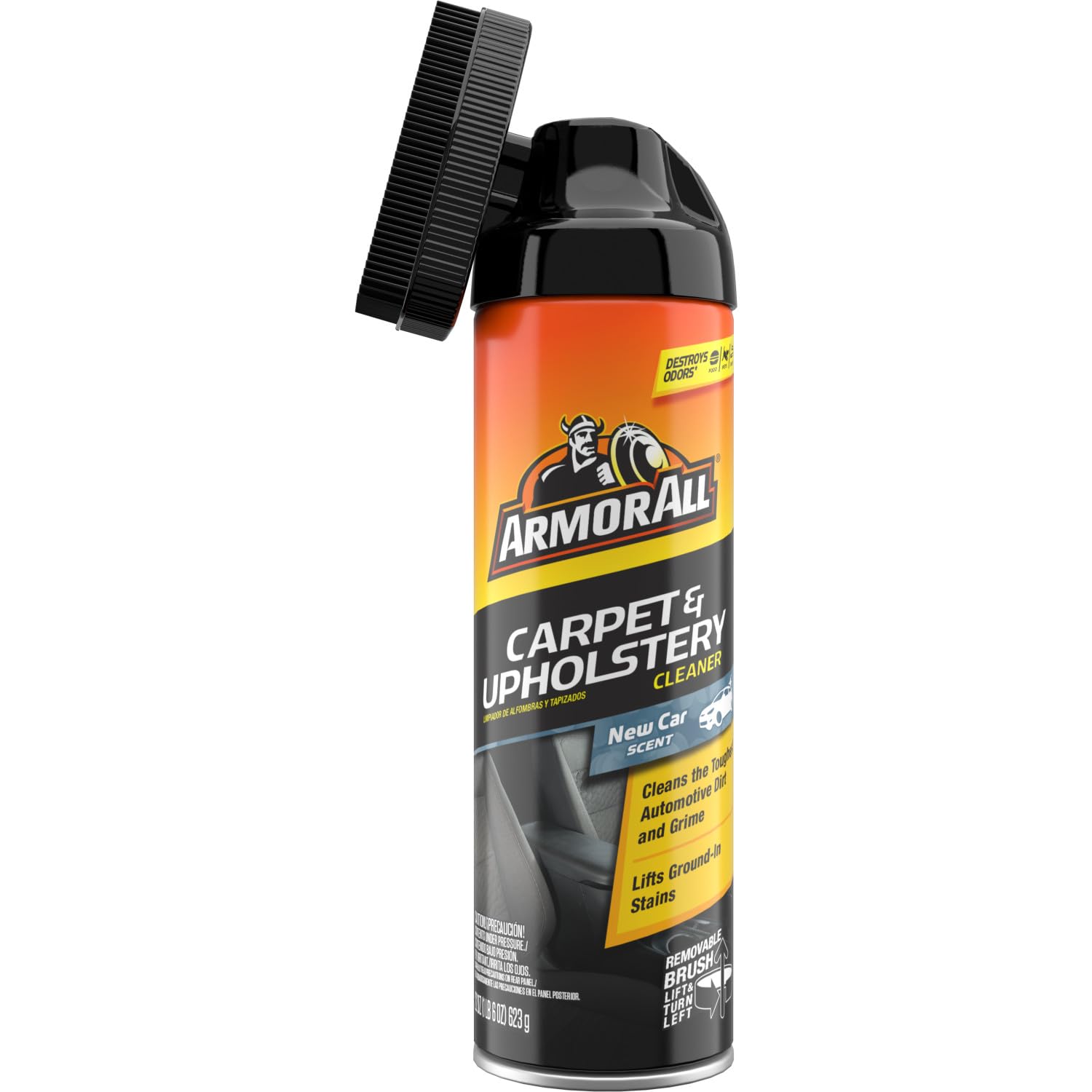 Armor All FRESH FX Carpet and Upholstery CleanerProp 65
carpet-cleaner
 Prop 65
 Mothers Speed Foaming Bug & Tar Remover
bug-tar-remover
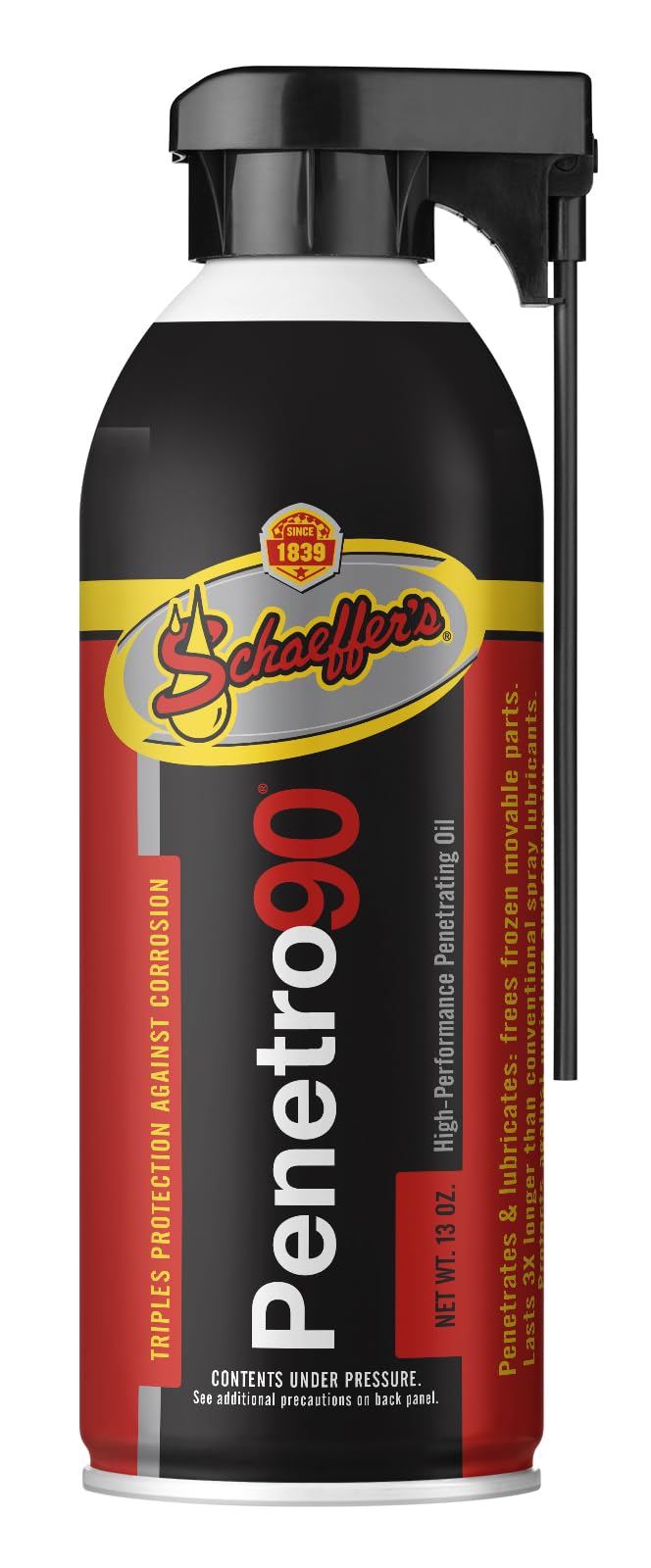 Schaeffer's Penetro 90 High Performance Penetrating OilProp 65
penetrating-oil
 SONAX CC36 Ceramic Coating Kit
ceramic-coating
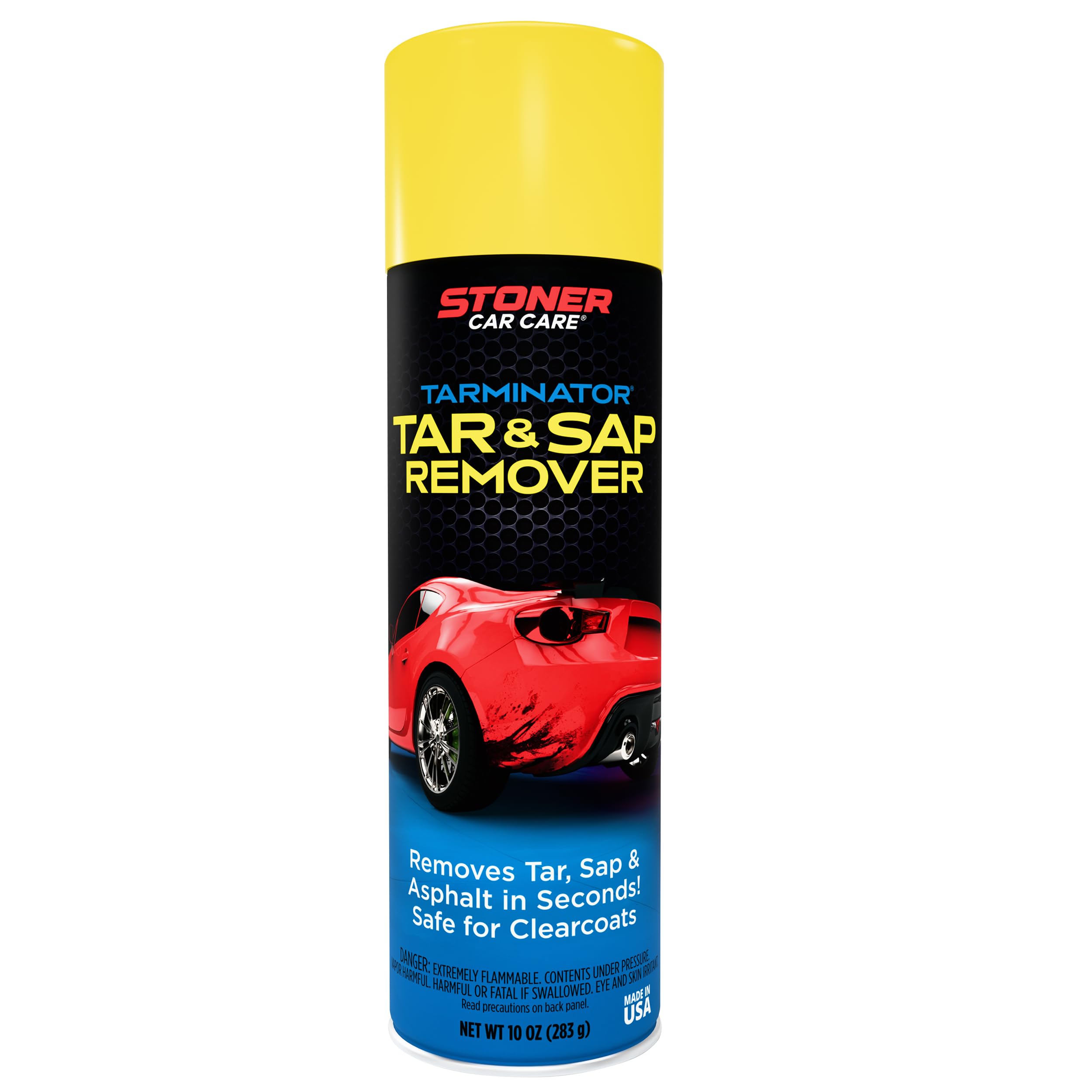 Stoner Tarminator Tar, Sap, and Asphalt RemoverProp 65
bug-tar-remover
 Tuff Stuff Multi-Purpose Foam CleanerProp 65
plastic-trim-cleaner
 Turtle Wax Power Out! Carpet & Mats Heavy Duty Cleaner
carpet-cleaner

 Turtle Wax Power Out! Upholstery Cleaner Odor Eliminator
headliner-cleaner
 Windex Fast Shine Foam Glass Cleaner
glass-cleaner
 Woolite Carpet & Upholstery Cleaner
fabric-upholstery-cleaner
Related
Health and environment notes translate the manufacturer Safety Data Sheet, the GHS classification, and authoritative regulatory listings (California Prop 65, EPA). Not medical advice. They describe the ingredient itself; whether a hazard applies to a finished product depends on its concentration and how it's used.