
Hydrocarbons, C10-C13, n-alkanes, iso-alkanes, cyclenes, <2% aromatics
- Aliphatic solvents
- IUPAC: Hydrocarbons, C10-C13, n-alkanes, iso-alkanes, cyclenes
Hydrocarbons, C10-C13, n-alkanes, iso-alkanes, cyclenes, <2% aromatics appears in 5 of the 2,122 car-care products CarCareTruth tracks (as of August 2026). It is classified as a VOC.
C10-C13 petroleum-distillate carrier. Carries H304 (aspiration hazard) and H412 (Aquatic Chronic 3) at the ingredient level — these may not propagate to the product mixture classification if concentration is below CLP mixture threshold or if the viscosity exemption applies (confirmed by SDS §11 if aspiration is not classified at mixture level). No H335 (respiratory irritation) at typical concentrations. Skin and lung carrier-based PPE applies per the chrome-polish rubric mandatory carrier-check rule regardless of mixture-level H-codes.
C10-C13 hydrocarbons (n-alkanes, iso-alkanes, cyclenes) are a petroleum-distillate solvent fraction commonly used in metal polishes, chrome polishes, and surface care products as the primary carrier. The chain-length range gives these solvents moderate volatility — slower evaporation than lighter naphtha fractions (C7-C9) but faster than heavier mineral spirits. This produces the characteristic moderate solvent smell during metal polish application.
At ingredient level, the C10-C13 fraction typically carries H304 (aspiration hazard — fatal if swallowed and enters airways) and H412 (Aquatic Chronic 3). Whether H304 propagates to the product mixture classification depends on the CLP viscosity exemption and concentration threshold — products where SDS §11 confirms aspiration hazard is not classified at the mixture level do not receive the H304 health deduction.
Environmentally, the aquatic-chronic classification (H412) at the ingredient level warrants inclusion as an ingredient-level aquatic toxicity deduction in the environment score, even when the mixture classification does not carry a corresponding aquatic code.
Health & environment profile
- VOC
- yes
- Prop 65 listed
- no
- Asthmagen
- no
- EPA Safer Choice
- no
- Aquatic toxicity
- yes
- Biodegradable
- no
- Bioaccumulative
- no
- Persistent
- no
- Ozone depleting
- no
- Microplastic
- no
- PFAS
- no
- Env. score
- 3/5
Common questions about Hydrocarbons, C10-C13, n-alkanes, iso-alkanes, cyclenes, <2% aromatics
- What is Hydrocarbons, C10-C13, n-alkanes, iso-alkanes, cyclenes, <2% aromatics used for in car care?
- Primary carrier solvent in metal polishes and chrome polishes; provides solvency for polishing abrasives and leaves a protective film after buffing; characteristic petroleum/mineral-spirits odor
- Is Hydrocarbons, C10-C13, n-alkanes, iso-alkanes, cyclenes, <2% aromatics a VOC?
- Yes. Hydrocarbons, C10-C13, n-alkanes, iso-alkanes, cyclenes, <2% aromatics is classified as a volatile organic compound (VOC).
- Is Hydrocarbons, C10-C13, n-alkanes, iso-alkanes, cyclenes, <2% aromatics on California's Proposition 65 list?
- No. Hydrocarbons, C10-C13, n-alkanes, iso-alkanes, cyclenes, <2% aromatics is not on California's Proposition 65 list.
5 products contain this
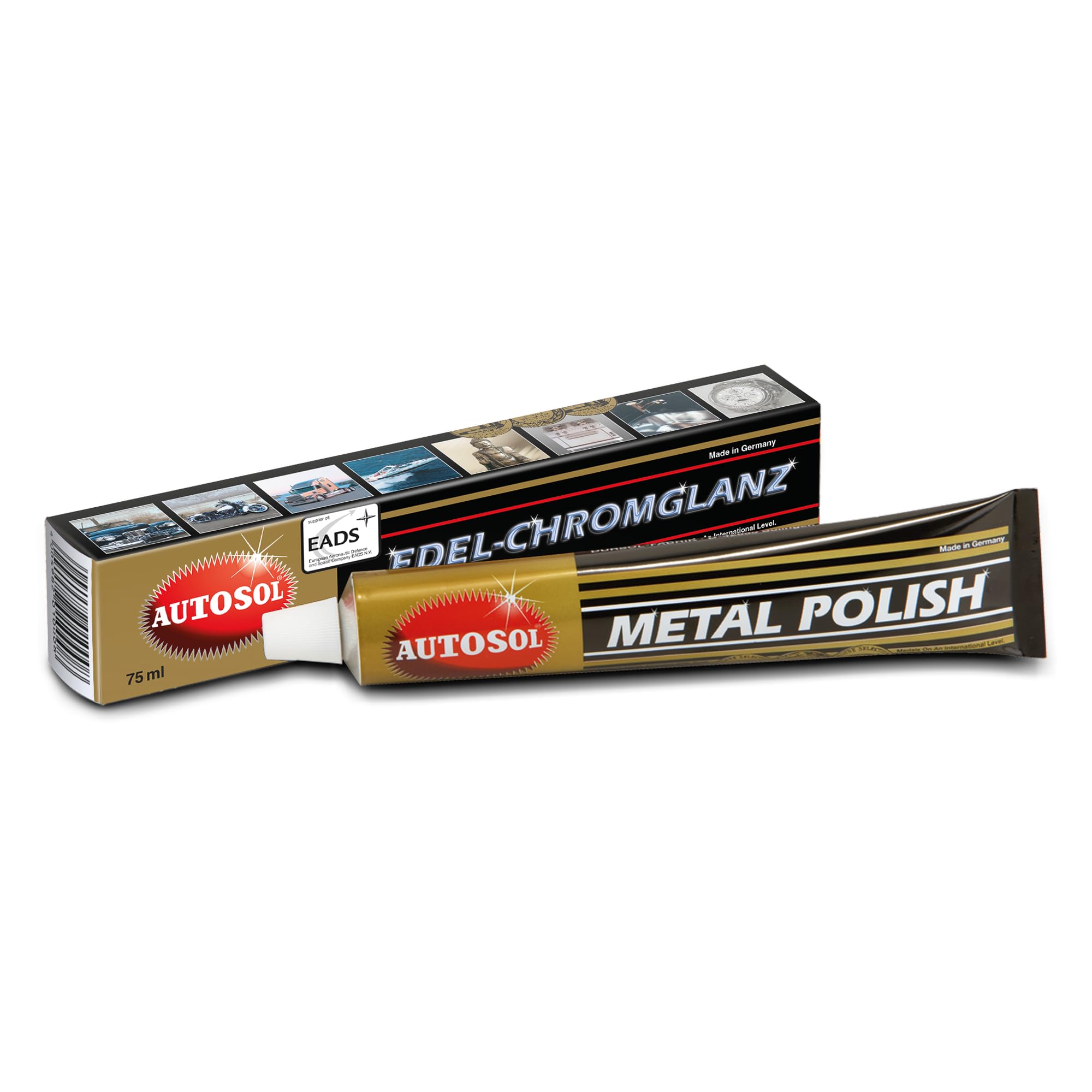 Autosol Metal Polish
chrome-polish
 Dr. Beasley's Glass Serum
glass-coating
 Motul Engine Clean AUTO
oil-additive
 OWATROL Polytrol Colour Restorer
trim-restorer
 U-POL Protective Undercoating SprayProp 65
undercoating
Related
Health and environment notes translate the manufacturer Safety Data Sheet, the GHS classification, and authoritative regulatory listings (California Prop 65, EPA). Not medical advice. They describe the ingredient itself; whether a hazard applies to a finished product depends on its concentration and how it's used.