
Aminoalkoxydimethylpolysiloxane
- Other solvents
- CAS 69430-37-1
- IUPAC: Aminoalkoxydimethylpolysiloxane; Amino-functional dimethylsiloxane polymer
Aminoalkoxydimethylpolysiloxane (CAS 69430-37-1) appears in 4 of the 2,122 car-care products CarCareTruth tracks (as of August 2026).
Not classified as hazardous under GHS/OSHA at mixture level (LD50 oral >5000 mg/kg rat, LD50 dermal 3523 mg/kg rat). The amino-functional groups can cause mild skin or eye irritation at high concentrated exposure. At 5–10% in a petroleum-solvent carrier, the aminosiloxane active itself is the lower-hazard component; the carrier solvents (toluene, xylene, Stoddard, naphtha) drive the product's hazard classification.
Aminoalkoxydimethylpolysiloxane (CAS 69430-37-1) is a reactive amino-functional silicone polymer that serves as the primary film-forming active in CarPro DLUX and similar trim coatings. Unlike passive silicone dressings that sit on top of a surface, aminosiloxanes use their amino and alkoxy functional groups to bond covalently with hydroxyl groups present on plastic, rubber, TPO, and metal surfaces. This reactive bonding mechanism is what gives the coating its durability advantage over conventional trim dressings — the cured film resists mechanical washing and UV degradation more effectively than a physisorbed silicone layer.
The curing process begins on contact and continues for several hours (the instruction sheet specifies a 1–3 hour no-water cure period). Wipe-off timing within the first minute is critical on smooth plastics to avoid uneven film distribution. On textured trim the film leveling is self-directing through capillary action in the surface texture, which is why the product instructs not to wipe on textured surfaces.
From an environmental standpoint, aminosiloxane polymers are not readily biodegradable but show low ecotoxicological activity. The dominant environmental concerns in DLUX come from the carrier solvents (toluene, xylene, Stoddard naphtha), not from the active polymer itself.
Health & environment profile
- VOC
- no
- Prop 65 listed
- no
- Asthmagen
- no
- EPA Safer Choice
- no
- Aquatic toxicity
- no
- Biodegradable
- no
- Bioaccumulative
- no
- Persistent
- no
- Ozone depleting
- no
- Microplastic
- no
- PFAS
- no
- Env. score
- 5/5
Common questions about Aminoalkoxydimethylpolysiloxane
- What is Aminoalkoxydimethylpolysiloxane used for in car care?
- Reactive amino-functional silicone polymer; primary film-forming active in trim and plastic coatings. Bonds covalently to hydroxyl groups on plastic, rubber, and metal surfaces via the amino-alkoxy functional groups, forming a durable protective silicone film.
- Is Aminoalkoxydimethylpolysiloxane a VOC?
- No. Aminoalkoxydimethylpolysiloxane is not classified as a volatile organic compound (VOC).
- Is Aminoalkoxydimethylpolysiloxane on California's Proposition 65 list?
- No. Aminoalkoxydimethylpolysiloxane is not on California's Proposition 65 list.
4 products contain this
 CarPro DLUX Wheel and Trim Coating 30mL
wheel-coating
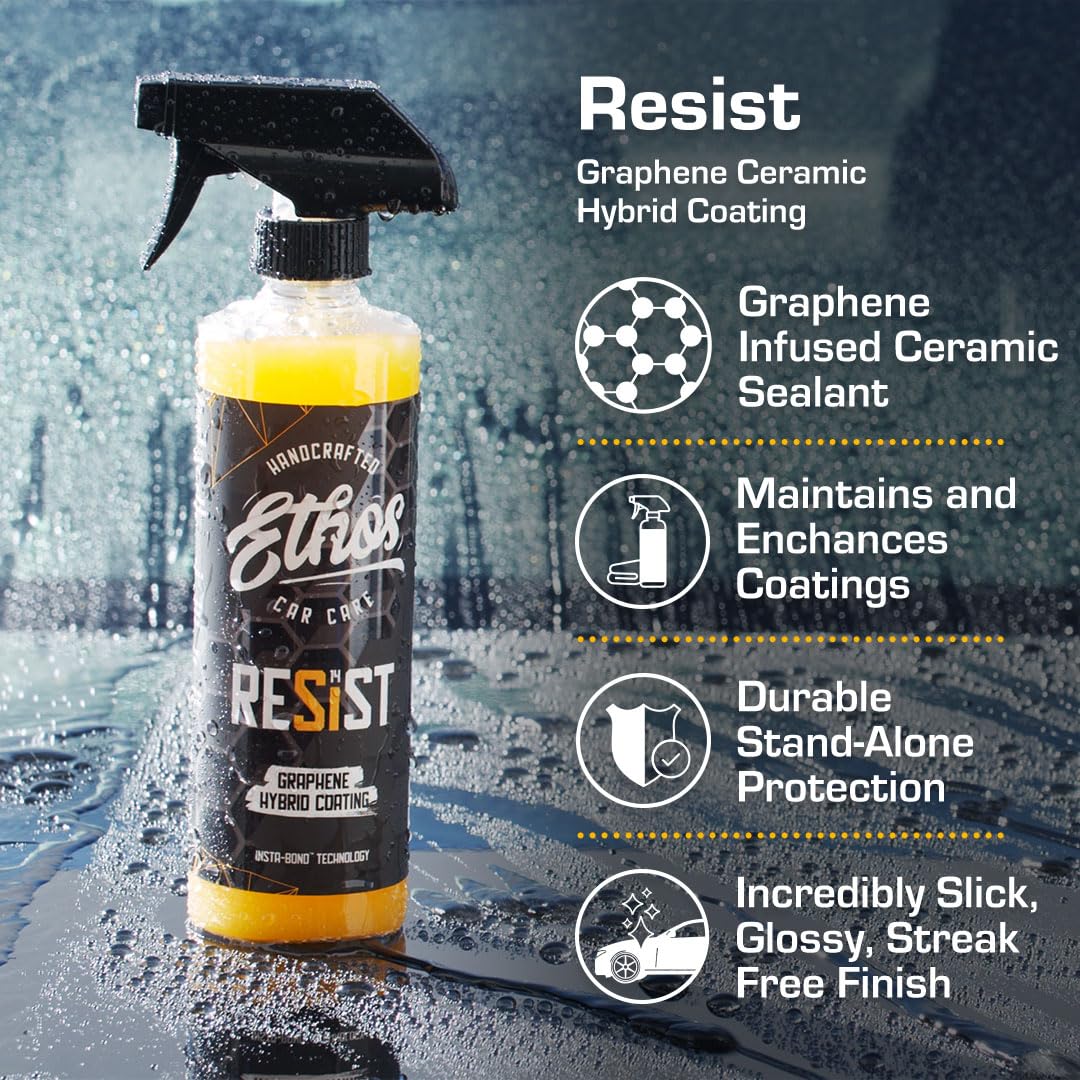 Ethos Car Care RESIST Graphene Spray Coating
ceramic-spray-coating
 Gyeon Q2 Rim EVOProp 65
wheel-coating
 Gyeon Q² Trim EVOProp 65
trim-coating
Related
Health and environment notes translate the manufacturer Safety Data Sheet, the GHS classification, and authoritative regulatory listings (California Prop 65, EPA). Not medical advice. They describe the ingredient itself; whether a hazard applies to a finished product depends on its concentration and how it's used.