
Amino Dimethylsiloxane
- Silicones
- CAS 71750-80-6
- IUPAC: Aminopropyl-terminated polydimethylsiloxane
Amino Dimethylsiloxane (CAS 71750-80-6) appears in 3 of the 2,122 car-care products CarCareTruth tracks (as of August 2026).
No GHS hazard classification at typical use concentrations; amino functional groups provide the reactive site for surface bonding.
Amino dimethylsiloxane is an amino-functional polydimethylsiloxane where amine groups at the polymer chain ends react with activated surface sites on paint clear coats. This reactive anchoring mechanism distinguishes it from plain PDMS (which relies on physical adsorption) and provides the basis for enhanced durability claims in polymer sealants.
The ingredient is non-volatile (very high molecular weight) and does not contribute meaningfully to VOC. No GHS health or environmental hazard classifications have been established at typical mixture concentrations.
Health & environment profile
- VOC
- no
- Prop 65 listed
- no
- Asthmagen
- no
- EPA Safer Choice
- no
- Aquatic toxicity
- no
- Biodegradable
- no
- Bioaccumulative
- no
- Persistent
- yes
- Ozone depleting
- no
- Microplastic
- no
- PFAS
- no
- Env. score
- 3/5
Common questions about Amino Dimethylsiloxane
- What is Amino Dimethylsiloxane used for in car care?
- Amino-functional silicone that bonds to paint and glass surfaces — the primary bonding agent in polymer sealants and ceramic sprays
- Is Amino Dimethylsiloxane a VOC?
- No. Amino Dimethylsiloxane is not classified as a volatile organic compound (VOC).
- Is Amino Dimethylsiloxane on California's Proposition 65 list?
- No. Amino Dimethylsiloxane is not on California's Proposition 65 list.
3 products contain this
 Adam's Polishes Graphene BoostProp 65
ceramic-booster
 HydroSilex Recharge Ceramic Coating
ceramic-spray-coating
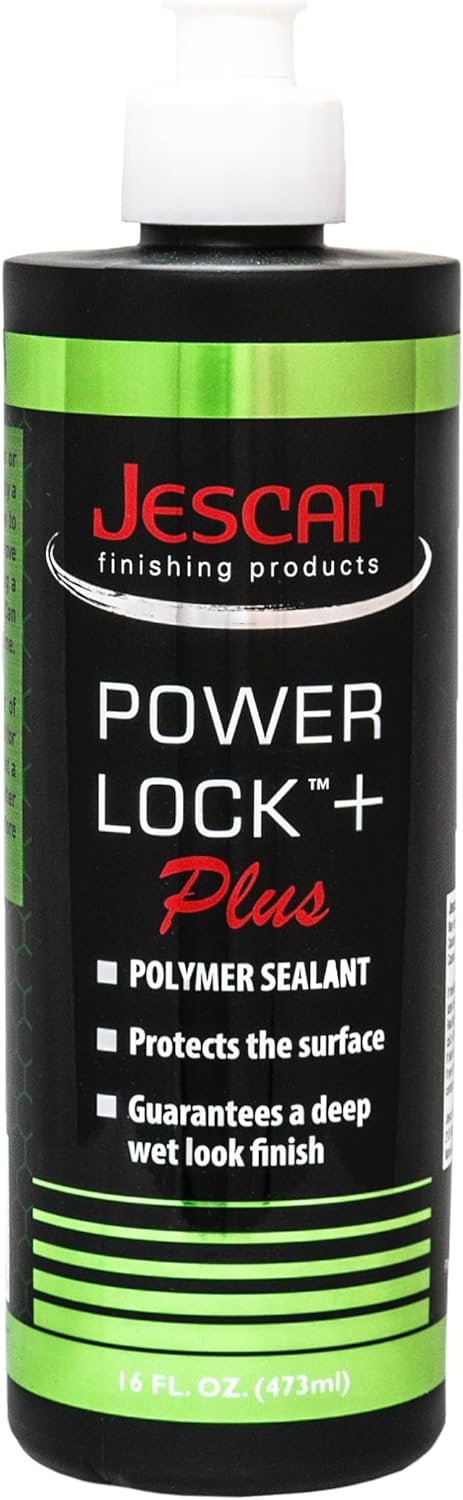 Prop 65
Related
Health and environment notes translate the manufacturer Safety Data Sheet, the GHS classification, and authoritative regulatory listings (California Prop 65, EPA). Not medical advice. They describe the ingredient itself; whether a hazard applies to a finished product depends on its concentration and how it's used.