CarCareTruth Score
Recommended.
Opens Amazon in a new tab. No account needed to look.
Saved to your guest loadout. Sign up to also save to your Cabinet (consumables) or Kit (tools you own).
As an Amazon Associate I earn from qualifying purchases. Full disclosure
Prices may varyThis product ranks #1 of 12 in Odor Eliminator.
Last reviewed June 7, 2026
TL;DR Real molecular odor adsorption, not fragrance masking. The activated bamboo charcoal binds odor compounds out of cabin air rather than covering them with a scent. Well-reviewed by a large owner base; lasts up to two years with a monthly hour in direct sun, but it cannot penetrate heavily embedded smoke or pet urine. Treat the source first.
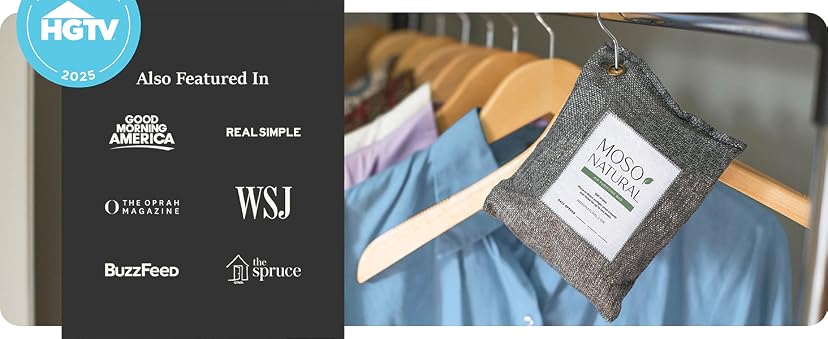
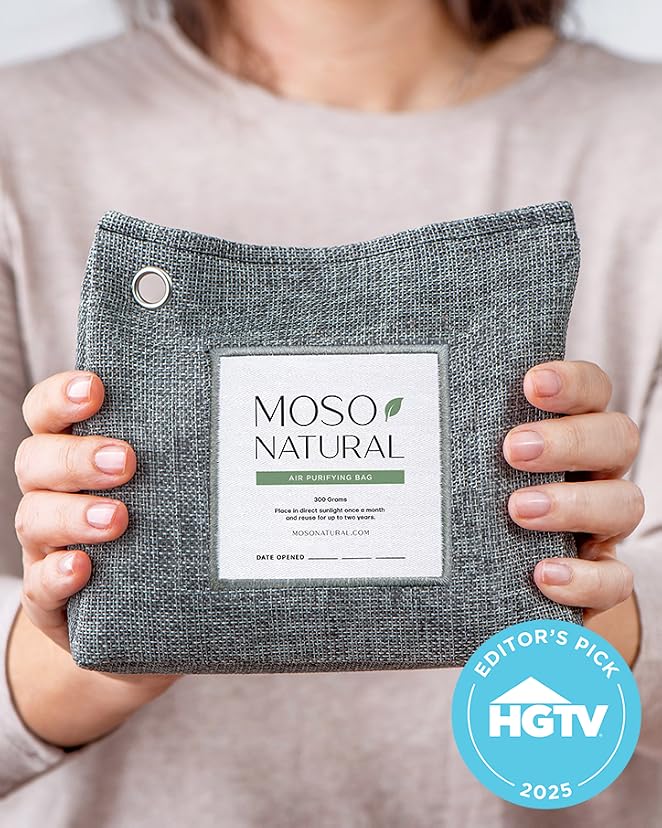
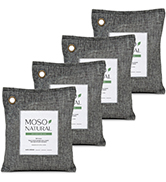
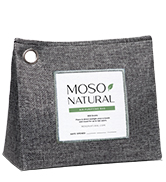
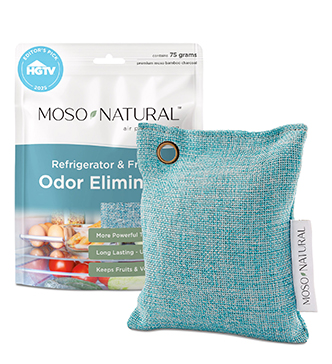
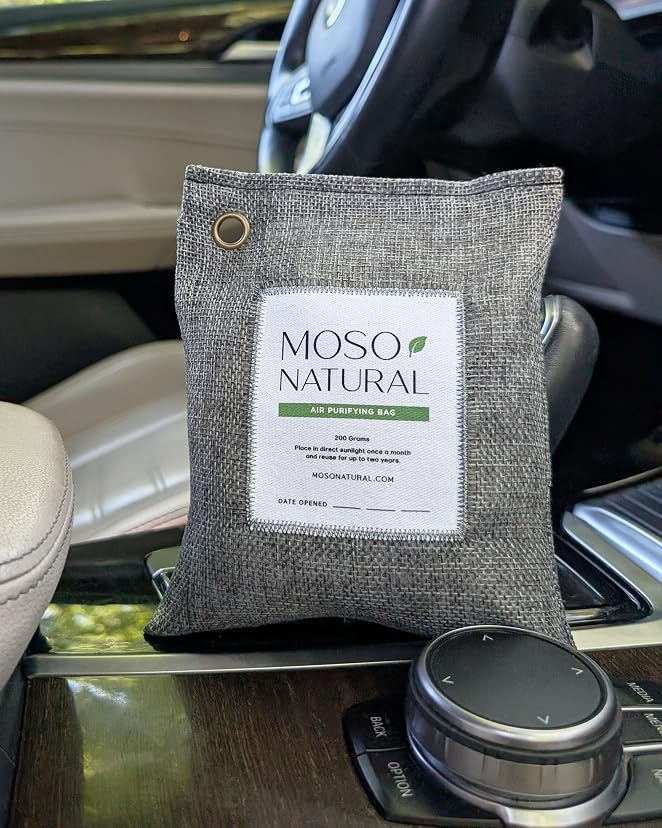
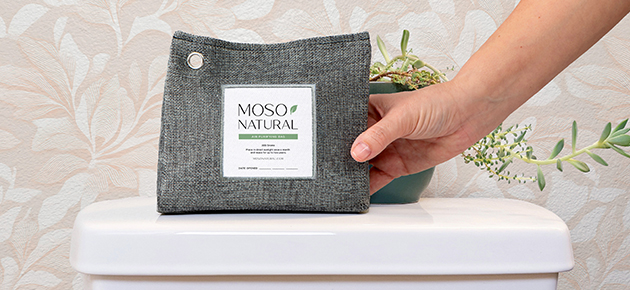
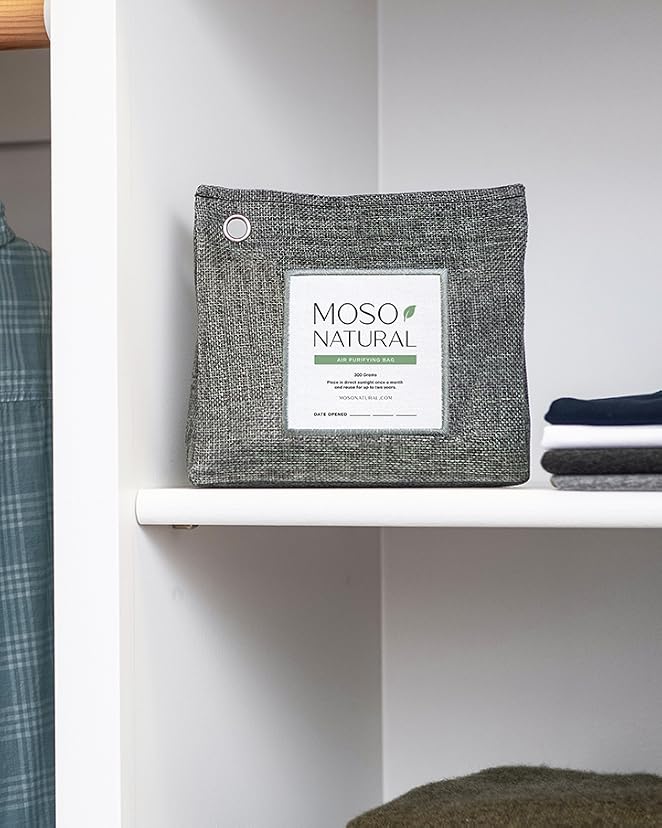
A 200g bag of activated bamboo charcoal in a woven linen pouch with a grommet hang point. It sits passively in the cabin (under a seat, on the back shelf, or hanging from a coat hook), and as cabin air circulates past the bag, odor molecules and moisture bind to the carbon's enormous internal surface area, roughly 1,000 square meters per gram, and are removed from the air entirely. There is no spray, no evacuation, no timer. Once a month the bag goes in direct sunlight for an hour to drive off accumulated moisture and reset the adsorption capacity. Manufacturer claims a two-year service life; a large base of owners confirms 6-12 months of effective performance with the monthly recharge step. HGTV named it an Editor's Pick.
Drivers who want fragrance-free background freshness in a moderately odorous cabin, daily-driver smells from gym bags, food, pet hair, mild musty or humidity, will get the most out of this. Multi-pack distribution (2-4 bags spread through the cabin) is the recommended pattern for SUVs and stronger cases. Skip it if you are trying to remove a heavily embedded odor like cigarette smoke baked into the headliner or urine in carpet padding, because the charcoal binds airborne molecules but does not penetrate into fabric or foam where the source compound lives. For those cases, use an enzymatic cleaner applied directly to the source, then deploy a charcoal bag for ongoing maintenance.
The product is classified as an accessory: there is no SDS, no chemistry emission into cabin air, and no inhalation exposure pathway. Activated bamboo charcoal is the same material used in water filters, aquarium media, and as the standard emergency-medicine ingestion treatment; ingestion of small amounts of granular activated charcoal is not toxic. There are no Prop 65 chemicals, no PFAS, no propellant, no fragrance compounds, and no preservatives. The end-of-life pathway is published by the manufacturer: spent charcoal composts into plant beds, and the linen exterior bag is a biodegradable natural fiber. With a two-year service life on a recharge cycle, the per-year environmental footprint is among the lowest in the odor-eliminator category.
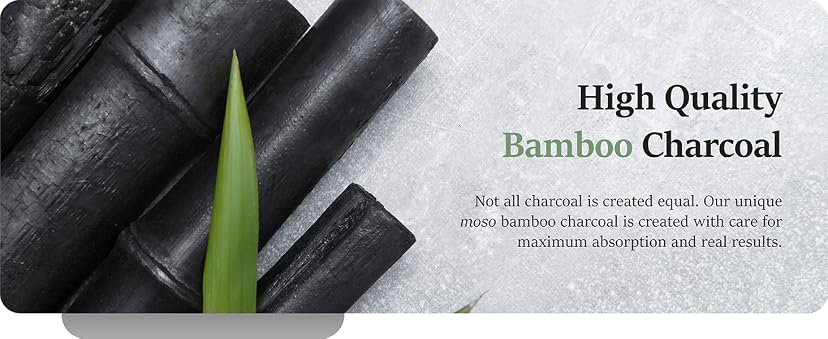
Activated charcoal has an enormous internal surface area, roughly 1,000 square meters per gram of carbon, created by a high-temperature activation process that opens microscopic pores throughout the material. Odor molecules and moisture pass into these pores as cabin air circulates around the bag, and the carbon binds them physically (van der Waals adsorption) rather than chemically reacting with them. Unlike fragrance-masking products, the odor compound is removed from the air entirely, not covered with a stronger smell. Capacity is finite: once the pores fill, the bag stops adsorbing, which is why monthly sun-recharge is required.
Manufacturer claim is up to 2 years with monthly sun-recharge. A large base of owner reviews broadly confirms 6-12 months of effective performance with the sun-recharge step; users who skip the monthly recharge report performance drop after 2-3 months as the carbon saturates. For a daily driver in a moderately humid climate, a 200g bag treats a sedan-sized cabin effectively for the labeled duration.
Mixed results from the community on heavily embedded smoke or pet odor. Activated charcoal binds odor molecules from the air but does not penetrate into headliner fabric or carpet padding where embedded smoke compounds live. For background freshness in a moderately odorous cabin, the bag works well; for severe embedded source-odors, treat the source first with an enzymatic cleaner, then use the bag for ongoing maintenance. Multi-pack use (2-4 bags distributed in cabin) is more effective than a single bag for severe cases.
Place the bag in direct sunlight for at least 1 hour once a month. UV radiation and warmth drive off accumulated moisture from the carbon pores, restoring most of the adsorption capacity. Indirect sun (through a window) is less effective; outdoor placement is recommended. After 2 years of monthly recharging, the carbon's adsorption capacity declines to the point where replacement is recommended.
Yes, activated bamboo charcoal is the same material as activated charcoal in water filters and aquarium products. The bag is sealed and the charcoal is granular, not loose. Even if the linen bag is opened, ingestion of small amounts of activated charcoal is not toxic (it is a standard treatment for accidental poisonings in emergency medicine). The product carries no Prop 65, no chemical hazards, and no fragrance.
Marketing copy from Moso Natural, via Amazon. Not editorial.
Weekly pick
One product, one safety verdict, every week. No spam.
Currently in the top 2 of its category — appears as a pick in:

Adam's Polishes
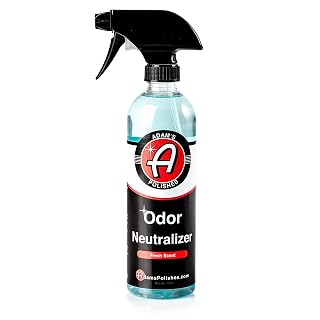
Odor Neutralizer
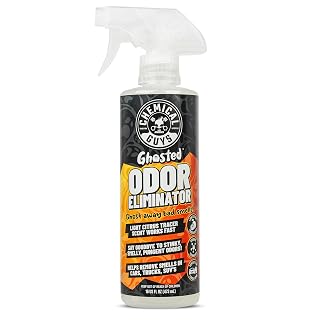
Chemical Guys
Ghosted Complete Interior Vehicle Odor Eliminator
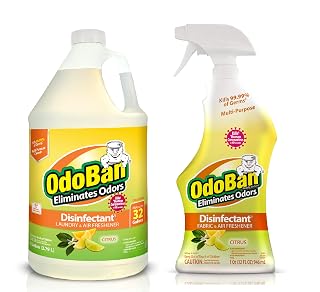
OdoBan
Ready-to-Use Disinfectant and Odor Eliminator (Citrus, 32 oz)
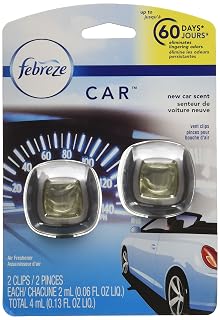
Febreze
Car Vent Clip New Car Scent (2-Pack)
As an Amazon Associate I earn from qualifying purchases. Full disclosure

Community
0 postsShare how you use this product
Drop a quick comment or post a full review with photos and a star rating.
Sign in to postNew here? Create a free account.