CarCareTruth Score
Decent.
Opens Amazon in a new tab. No account needed to look.
Saved to your guest loadout. Sign up to also save to your Cabinet (consumables) or Kit (tools you own).
As an Amazon Associate I earn from qualifying purchases. Full disclosure
Prices may varyThis product ranks #3 of 6 in Clay Mitt.
Last reviewed July 16, 2026
TL;DR Fine-cut polymer surface lifts iron fallout, light industrial contamination, and rail dust off maintained paint, with no widespread marring reports when it's kept properly lubricated. Community evidence specific to this mitt is still thin, so it scores at the category median; a good fit for regular decon on daily drivers and coated paint, not paint that's been neglected for years.
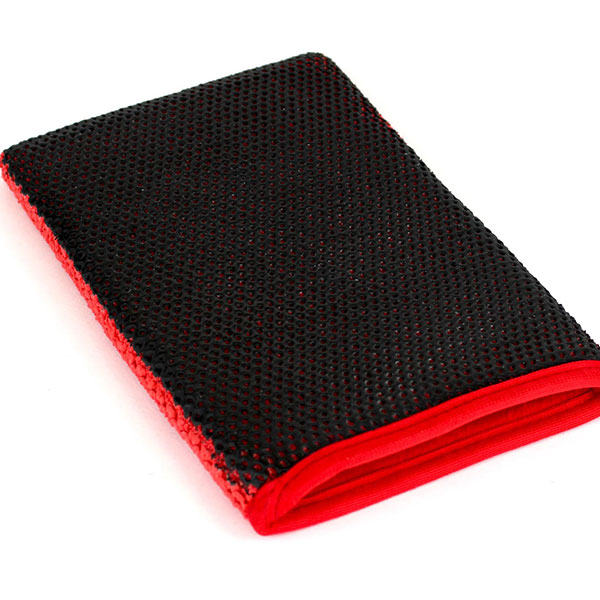
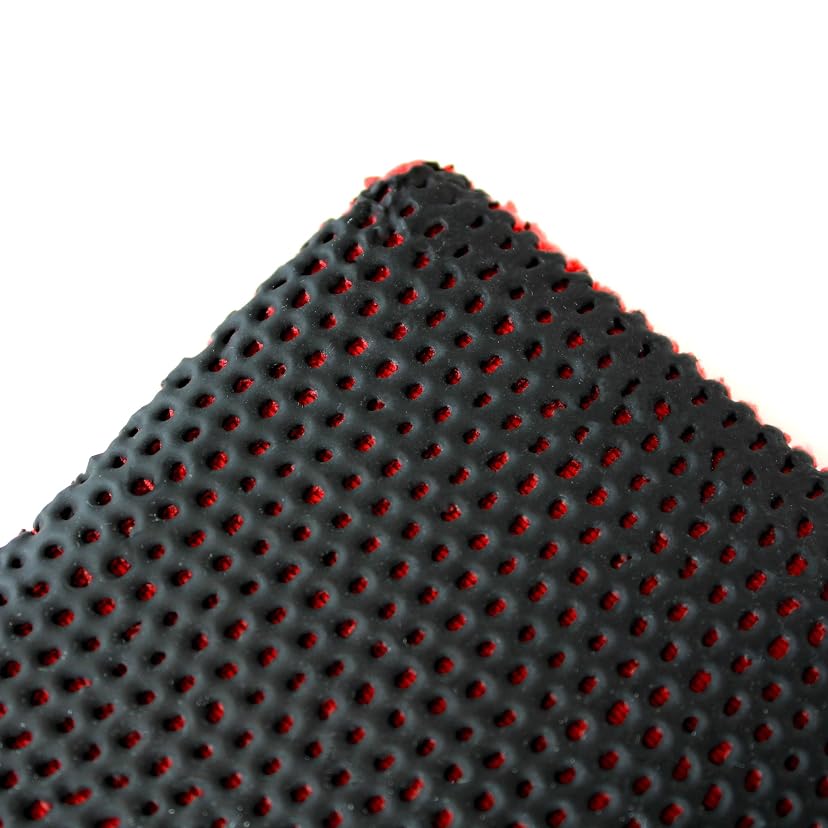
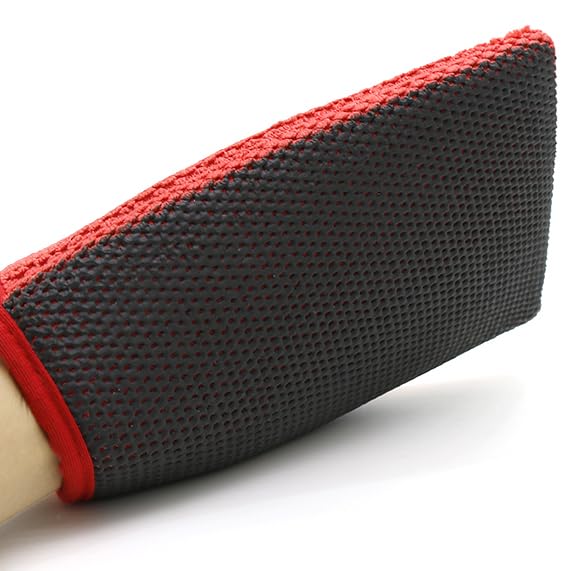
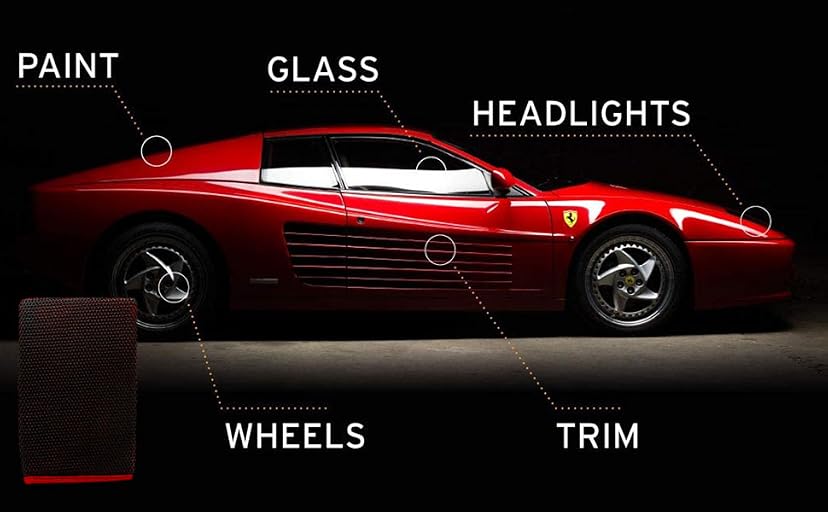
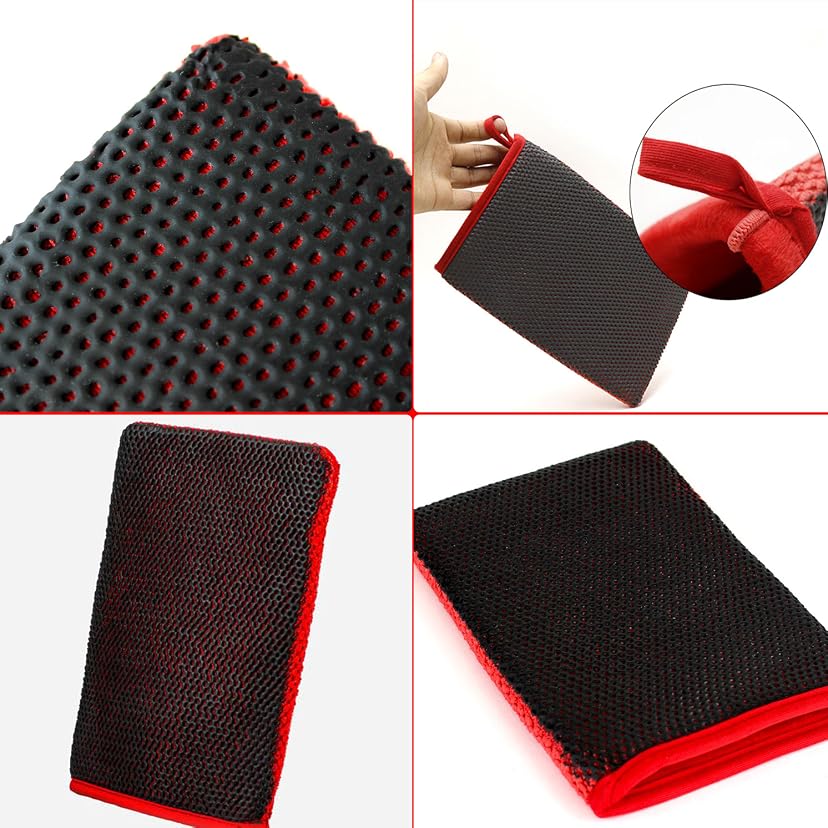
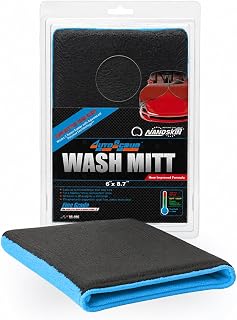
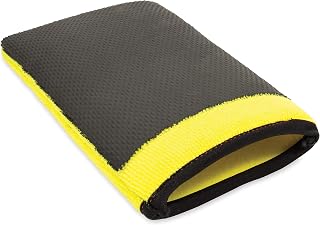
The mitt's working surface is fine-cut synthetic polymer, labeled "Fine Grade Clay Bar Mitt Surface" with a Grit Number of 2000 in the listing specs, aimed at iron fallout, overspray, rail dust, tree sap, and similar bonded contamination a wash alone won't remove. Compared with a clay bar, the mitt format covers a panel faster and survives a drop with a rinse instead of a toss. Listing imagery suggests a microfiber backing, though the manufacturer doesn't confirm backing or cuff construction in the copy, and no independent forum bag-test threads have turned up yet to check results beyond owner reviews.
Best for owners on a 6-month or shorter decon schedule who want mitt-format speed on maintained daily drivers or ceramic-coated paint that isn't due for correction. Skip it if your paint carries multiple seasons of embedded rail dust or heavy industrial fallout; a medium-cut mitt or a standard clay bar will clear that in fewer passes.
No chemical exposure pathway: this is a synthetic polymer working surface with no latex or PFAS treatment documented. The clay lubricant spray used alongside it is a separate product, and any PPE guidance belongs to that bottle, not to this mitt. As a reusable tool, one mitt standing in for 10 to 15 single-use clay bar kits keeps that much packaging and spent clay out of the waste stream.
A mitt covers a panel faster than a clay bar worked in overlapping passes, and gliding it on feels closer to washing than clay-bar technique. Drop it and rinse it off instead of discarding a contaminated bar. The trade-off is feedback: a bar transmits the smooth-surface signal more directly through your fingertips, so lean on the bag test until you trust the feel through the mitt.
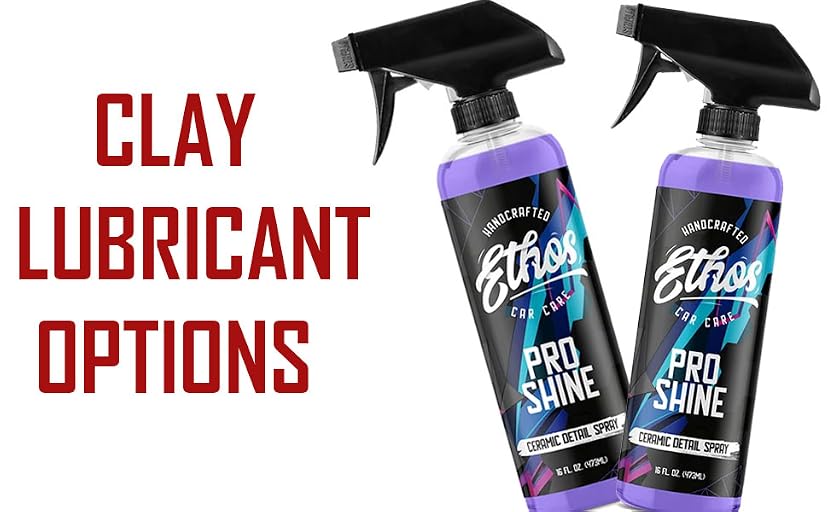
Clay mitts need steady, generous lubrication; the polymer surface will drag and can mar dry paint. The manufacturer specifies a dedicated clay lubricant spray, and many community users report good results diluting a rinseless wash instead. Keep enough product on the panel that it sheets off as you work, and don't let a section run dry between passes.
The bag test is the standard check: slip a clean plastic bag over your dry hand and run it across the treated paint. Rough, grabby feedback means contamination remains; smooth, glassy feedback means the panel is done. Test a roughly foot-square section partway through so you calibrate feel before assuming the whole car is finished.
The manufacturer claims long-lasting reuse, but car-count data specific to this mitt hasn't shown up in community threads yet. Category median for a fine-cut polymer mitt runs about 10 to 15 decon sessions before the surface loads up and rinse release drops off. Replace it once a thorough rinse stops restoring a visually clean surface, or you stop feeling progress mid-session.
Fine-cut classification plus the lack of widespread marring complaints in owner reviews point to this being appropriate for maintained paint, ceramic coatings included, on a normal decon schedule. No independent paint-inspection data has surfaced in community forums for this specific mitt yet. Lubrication volume is the variable that matters most: keep the surface wet throughout.
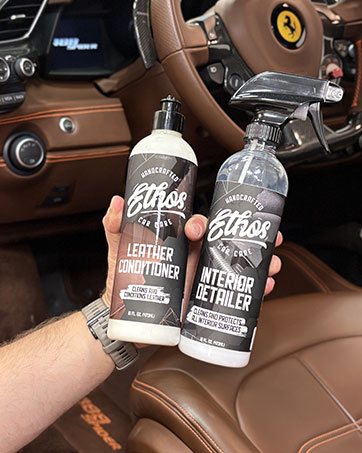
Marketing copy from Ethos Car Care, via Amazon. Not editorial.
Weekly pick
One product, one safety verdict, every week. No spam.



Nanoskin
AUTOSCRUB Fine Grade Wash Mitt
Adam's Polishes
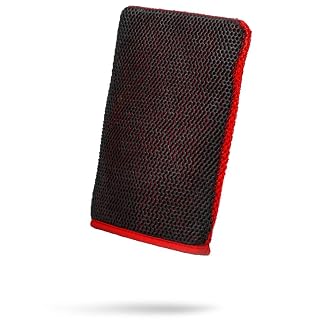
Clay Mitt (Medium Grade)
The Rag Company
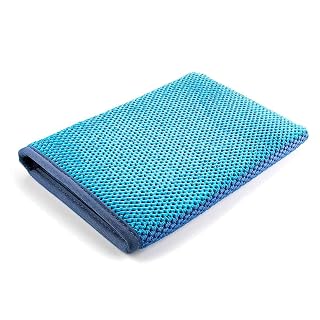
Ultra Clay Decontamination Mitt (Fine Grade)
Griot's Garage
Fine Surface Prep Mitt
As an Amazon Associate I earn from qualifying purchases. Full disclosure

Community
0 postsShare how you use this product
Drop a quick comment or post a full review with photos and a star rating.
Sign in to postNew here? Create a free account.