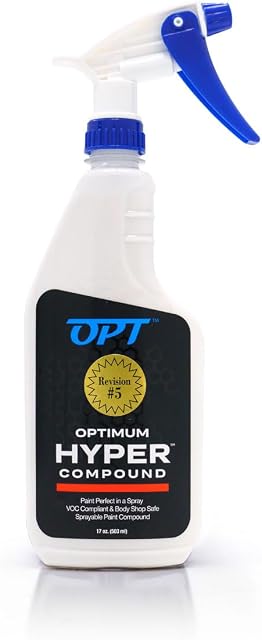
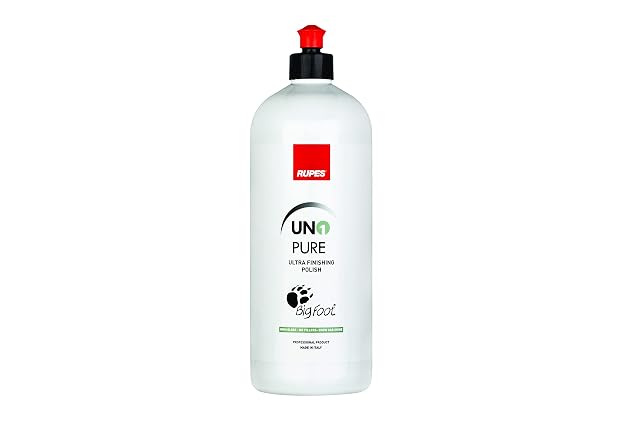
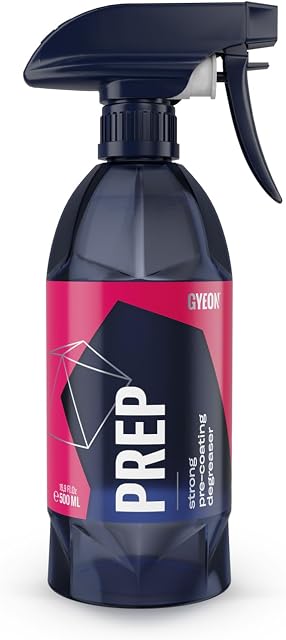
Most people Googling "paint correction kit" don't actually need correction — they need a polish or a sealant. Worth knowing the difference before you spend the money. A **compound** removes a thin layer of clearcoat to *level* defects: swirl marks, hologramming, fine scratches that catch your fingernail. A **polish** burnishes what's already there and brings back gloss. A **sealant or wax** adds a sacrificial protection layer on top. If your paint looks dull but smooth, you want polish + sealant. If you can see swirls in direct sun and feel scratches you can't feel, that's correction territory — and this kit.
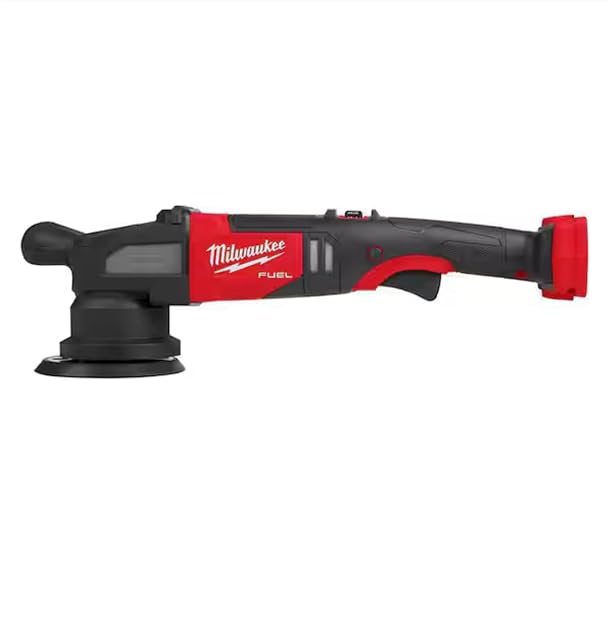
This is the **dual-action (DA) path**, not rotary. A DA polisher's random-orbit motion makes it almost impossible to burn through paint under normal use — the pad oscillates instead of spinning a single point, so heat doesn't pool. Rotary machines cut faster and finish flatter, but they will torch an edge or a body line the moment your wrist relaxes. Pros earn that machine over years. If you're reading this paragraph, the DA is the right tool.
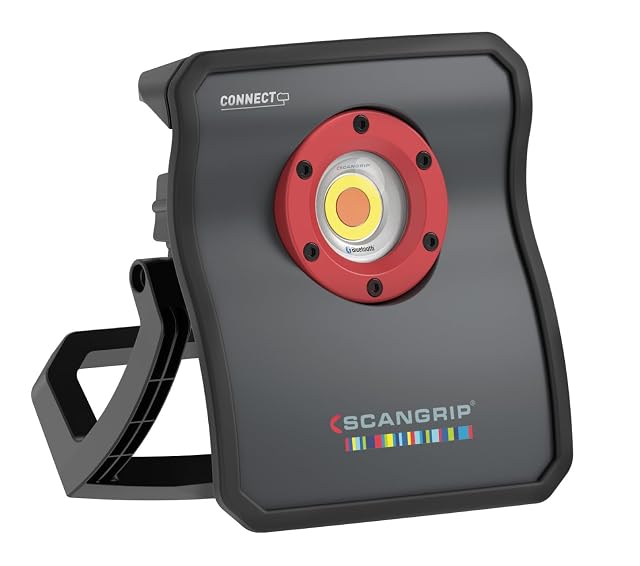
Three rules that save your paint: **test panel first** (always pick the worst-looking spot on a door or trunk lid before you commit to the whole car), **work in shade and on cool panels** (hot clear gels and grabs the pad), and **keep the pad flat** — tilt it and you concentrate cut on one edge and skip the rest. A detailing light makes defects visible from multiple angles so you actually see what you're correcting instead of guessing.