
Trimethylbenzene Mixed Isomers
- Aromatic solvents
- CAS 25551-13-7
- IUPAC: Trimethylbenzene (mixed isomers)
Trimethylbenzene Mixed Isomers (CAS 25551-13-7) appears in 3 of the 2,122 car-care products CarCareTruth tracks (as of August 2026). It is classified as a VOC.
Substance-level classification (REACH/CLP): Flam. Liq. 3 (H226), Aquatic Chronic 2 (H411). At sub-1% mixture concentrations, trimethylbenzene mixed isomers fall below mixture-classification thresholds for health H-codes. Physical flammability hazard only at substance level; at typical product concentrations (<1%), there is no contribution to product-level health classification beyond physical hazard.
Trimethylbenzene mixed isomers (CAS 25551-13-7) are a blend of 1,2,3-, 1,2,4-, and 1,3,5-trimethylbenzene arising from the aromatic fraction of petroleum naphtha. They appear in detailing products as minor constituents of petroleum-distillate co-solvents (Stoddard solvent, mineral spirits) at sub-1% concentrations rather than as deliberate standalone additions.
At the substance level, the harmonized REACH/CLP classification is Flam. Liq. 3 (H226) and Aquatic Chronic 2 (H411). In finished detailing products where the isomer mixture is present at 0.5–<1%, the concentration is below the mixture-classification threshold that would trigger product-level health hazard codes — the classification contribution to a finished product is the aquatic chronic flag, which informs the product's environmental profile rather than health PPE.
The primary environmental concern is aquatic toxicity: the aromatic component of petroleum naphtha is the dominant driver of aquatic chronic classifications in Stoddard solvent-containing products. At trace product concentrations the environmental load per application is low, but cumulative drain discharge from wash-stage products deserves noting given the weekly application cycle typical of maintenance detailing products.
Health & environment profile
- VOC
- yes
- Prop 65 listed
- no
- Asthmagen
- no
- EPA Safer Choice
- no
- Aquatic toxicity
- yes
- Biodegradable
- no
- Bioaccumulative
- no
- Persistent
- yes
- Ozone depleting
- no
- Microplastic
- no
- PFAS
- no
- Env. score
- 2/5
Common questions about Trimethylbenzene Mixed Isomers
- What is Trimethylbenzene Mixed Isomers used for in car care?
- Aromatic co-solvent present at trace concentration (<1%) in petroleum-distillate carriers; contributes to solvent polarity and co-solubility with silicone/siloxane actives.
- Is Trimethylbenzene Mixed Isomers a VOC?
- Yes. Trimethylbenzene Mixed Isomers is classified as a volatile organic compound (VOC).
- Is Trimethylbenzene Mixed Isomers on California's Proposition 65 list?
- No. Trimethylbenzene Mixed Isomers is not on California's Proposition 65 list.
3 products contain this
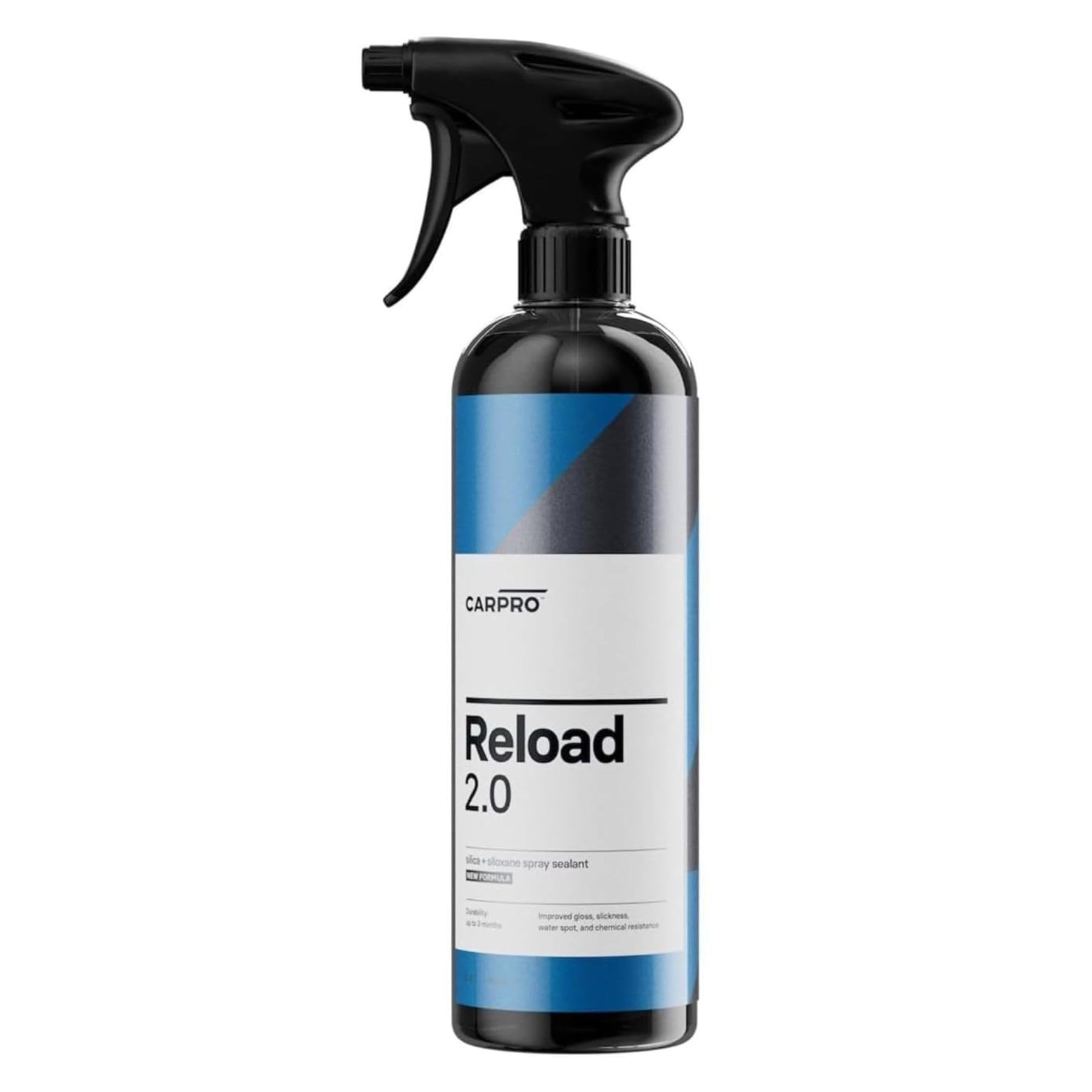 CarPro Reload 2.0 Spray Sealant
ceramic-booster
 CRC Motor TreatmentProp 65
fuel-system-cleaner
 Hot Shot's Secret Gasoline Extreme (GE16Z)Prop 65
fuel-injector-cleaner
Related
Health and environment notes translate the manufacturer Safety Data Sheet, the GHS classification, and authoritative regulatory listings (California Prop 65, EPA). Not medical advice. They describe the ingredient itself; whether a hazard applies to a finished product depends on its concentration and how it's used.