
Stearic Acid
- Esters
- CAS 57-11-4
- IUPAC: Octadecanoic acid
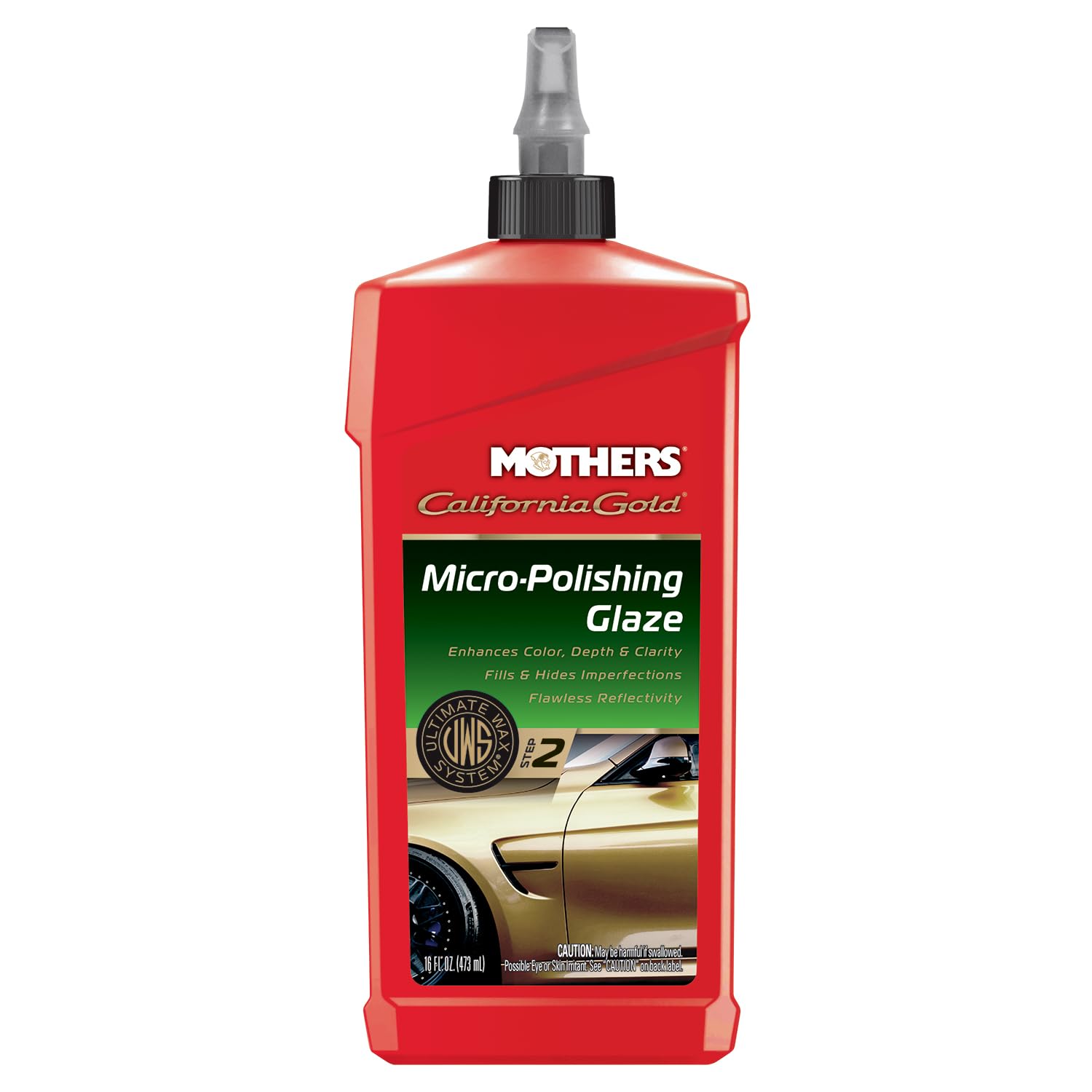
Stearic Acid (CAS 57-11-4) appears in 1 of the 2,122 car-care products CarCareTruth tracks (as of August 2026). It is on the EPA Safer Choice list.
Not classified as hazardous under GHS. No health H-codes at normal product concentrations. Wide use in personal care and food applications confirms low hazard profile.
Stearic acid (CAS 57-11-4) is a long-chain saturated fatty acid derived from vegetable or animal fats. In car-care products it functions as an emulsifier that helps bind the oil and water phases of a formulation, a lubricant that improves the slip of polishing compounds during application, and a mild film-forming conditioner that contributes to surface feel after buff-off. It carries no GHS health hazard classifications at normal use concentrations. It is readily biodegradable and recognized as low-concern chemistry by the EPA Safer Choice program.
Health & environment profile
- VOC
- no
- Prop 65 listed
- no
- Asthmagen
- no
- EPA Safer Choice
- yes
- Aquatic toxicity
- no
- Biodegradable
- yes
- Bioaccumulative
- no
- Persistent
- no
- Ozone depleting
- no
- Microplastic
- no
- PFAS
- no
- Env. score
- 5/5
Common questions about Stearic Acid
- What is Stearic Acid used for in car care?
- Fatty acid emulsifier, lubricant, and film-forming conditioner used in polishes, waxes, and glazes to improve slip and aid uniform spreading
- Is Stearic Acid a VOC?
- No. Stearic Acid is not classified as a volatile organic compound (VOC).
- Is Stearic Acid on California's Proposition 65 list?
- No. Stearic Acid is not on California's Proposition 65 list.
- Is Stearic Acid EPA Safer Choice certified?
- Yes. Stearic Acid is on the EPA Safer Choice list.
1 product contain this
 Prop 65
Related
Health and environment notes translate the manufacturer Safety Data Sheet, the GHS classification, and authoritative regulatory listings (California Prop 65, EPA). Not medical advice. They describe the ingredient itself; whether a hazard applies to a finished product depends on its concentration and how it's used.