
Phosphoric Acid
- Acids
- CAS 7664-38-2
- IUPAC: phosphoric acid
Phosphoric Acid (CAS 7664-38-2) appears in 5 of the 2,122 car-care products CarCareTruth tracks (as of August 2026). It is readily biodegradable.
Corrosive at concentrations above 10% (H314 — skin burns and eye damage). In consumer-diluted wheel cleaner formulas (typically 2–8%), corrosivity is reduced. Signal word DANGER at concentrate; WARNING at diluted consumer-use concentrations.
Phosphoric acid is the active acidic agent in most rust converters and many wheel cleaners. At concentrations above 10%, it is corrosive and requires appropriate PPE (H314). In consumer-diluted wheel cleaner formulas (typically 2–8%), corrosivity is reduced but H302 and H290 still apply at concentrate handling stage.
Regulatory status
- Not listed under California Prop 65
- Not restricted under EU REACH
- Widely used in food-grade applications (E338) at high purity grades
Health & environment profile
- VOC
- no
- Prop 65 listed
- no
- Asthmagen
- no
- EPA Safer Choice
- no
- Aquatic toxicity
- no
- Biodegradable
- yes
- Bioaccumulative
- no
- Persistent
- no
- Ozone depleting
- no
- Microplastic
- no
- PFAS
- no
- Env. score
- 4/5
Common questions about Phosphoric Acid
- What is Phosphoric Acid used for in car care?
- Rust converter, pH adjuster, and surface prep agent in wheel cleaners and rust converters
- Is Phosphoric Acid a VOC?
- No. Phosphoric Acid is not classified as a volatile organic compound (VOC).
- Is Phosphoric Acid on California's Proposition 65 list?
- No. Phosphoric Acid is not on California's Proposition 65 list.
- Is Phosphoric Acid biodegradable?
- Yes. Phosphoric Acid has a confirmed biodegradable profile.
5 products contain this
 3D Car Care Eraser Gel Water Spot RemoverProp 65
water-spot-remover
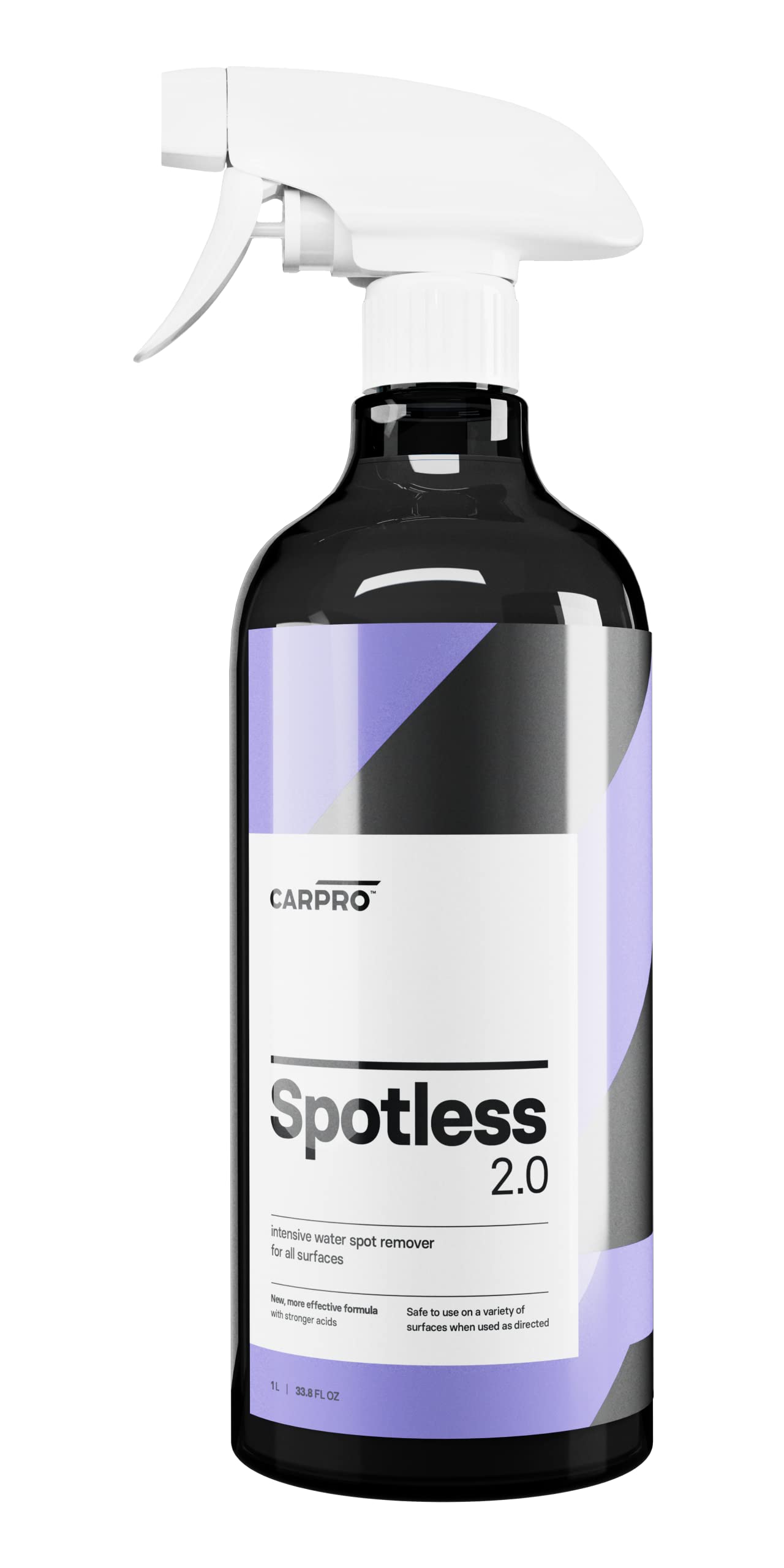 CarPro Spotless 2.0 Water Spot & Mineral Remover (1L)
water-spot-remover
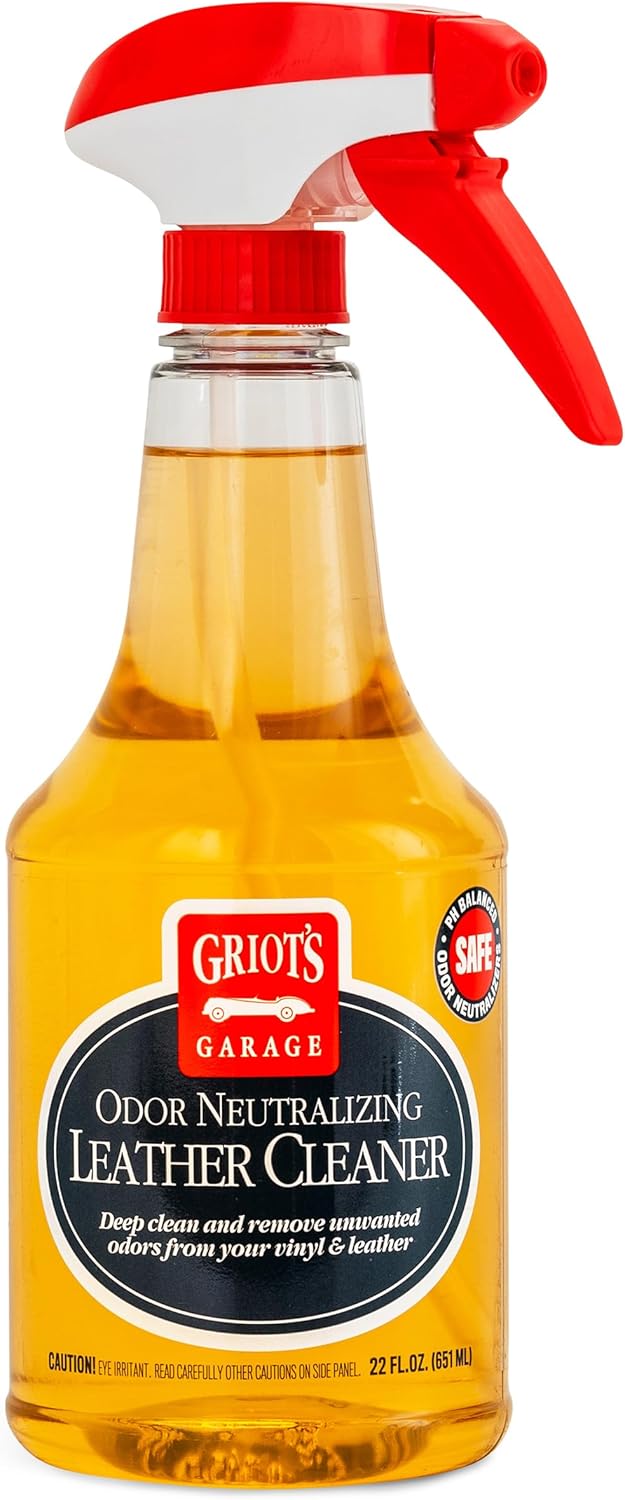 Griot's Garage Odor Neutralizing Leather CleanerProp 65
leather-cleaner
 Optimum MDR Mineral Deposit RemoverProp 65
glass-water-spot-remover
 Rust Kutter Rust Converter
rust-converter
Related
Health and environment notes translate the manufacturer Safety Data Sheet, the GHS classification, and authoritative regulatory listings (California Prop 65, EPA). Not medical advice. They describe the ingredient itself; whether a hazard applies to a finished product depends on its concentration and how it's used.