
Nonylphenol Polyethylene Glycol Ether
- Nonionic surfactants
- CAS 127087-87-0
- IUPAC: Poly(oxy-1,2-ethanediyl), α-(nonylphenyl)-ω-hydroxy-
Nonylphenol Polyethylene Glycol Ether (CAS 127087-87-0) appears in 3 of the 2,122 car-care products CarCareTruth tracks (as of August 2026).
Low acute toxicity at typical product concentrations. Primary concern is the nonylphenol degradation product, which is a confirmed endocrine disruptor in aquatic organisms. At concentrations below 5% in consumer products, human health risk is considered low.
Nonylphenol polyethylene glycol ether is a nonionic surfactant in the nonylphenol ethoxylate (NPE) family, used as an emulsifier in silicone-water emulsion products. NPEs are effective wetting and emulsifying agents but face increasing regulatory pressure due to their degradation pathway: they break down to nonylphenol, a persistent environmental contaminant with confirmed endocrine-disrupting properties in aquatic organisms. NPEs are restricted under EU REACH and Canadian environmental regulations. Many formulators are transitioning to alcohol ethoxylates as NPE replacements.
Health & environment profile
- VOC
- no
- Prop 65 listed
- no
- Asthmagen
- no
- EPA Safer Choice
- no
- Aquatic toxicity
- yes
- Biodegradable
- no
- Bioaccumulative
- no
- Persistent
- no
- Ozone depleting
- no
- Microplastic
- no
- PFAS
- no
- Env. score
- 2/5
Common questions about Nonylphenol Polyethylene Glycol Ether
- What is Nonylphenol Polyethylene Glycol Ether used for in car care?
- Nonionic surfactant / emulsifier in silicone-water emulsions
- Is Nonylphenol Polyethylene Glycol Ether a VOC?
- No. Nonylphenol Polyethylene Glycol Ether is not classified as a volatile organic compound (VOC).
- Is Nonylphenol Polyethylene Glycol Ether on California's Proposition 65 list?
- No. Nonylphenol Polyethylene Glycol Ether is not on California's Proposition 65 list.
3 products contain this
 303 Products 303 Aerospace Protectant (32 oz)Prop 65
dashboard-protectant
 303 Products 303 Automotive Protectant (16 oz)Prop 65
dashboard-protectant
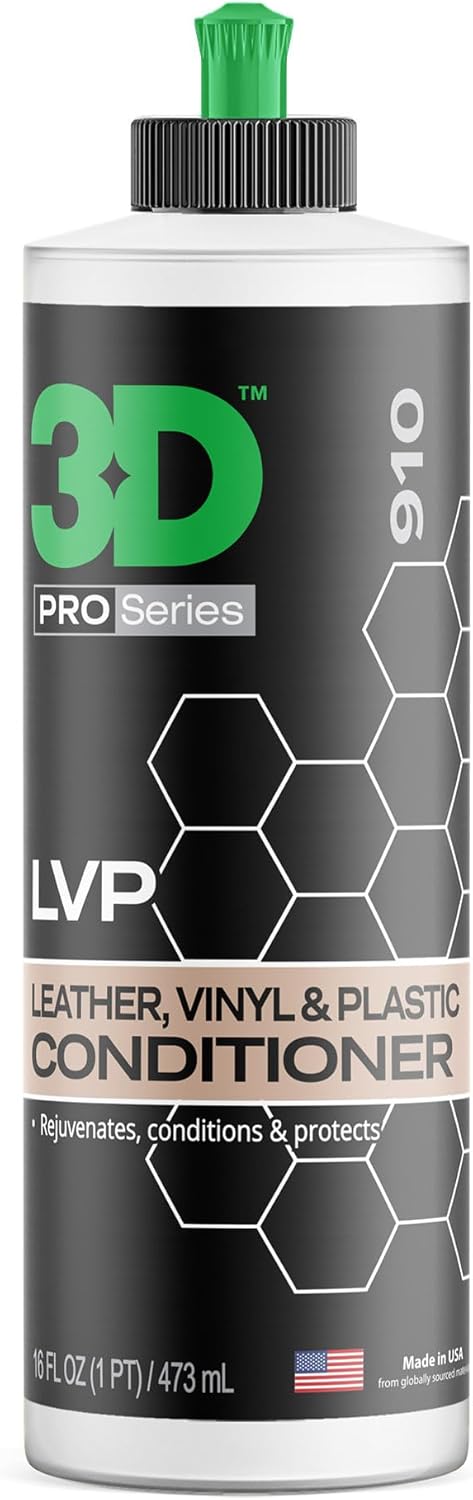 3D Car Care 3D Leather, Vinyl & Plastic ConditionerProp 65
leather-conditioner
Related
Health and environment notes translate the manufacturer Safety Data Sheet, the GHS classification, and authoritative regulatory listings (California Prop 65, EPA). Not medical advice. They describe the ingredient itself; whether a hazard applies to a finished product depends on its concentration and how it's used.