
Linoleic Acid
- Base oils
- CAS 60-33-3
- IUPAC: (9Z,12Z)-octadeca-9,12-dienoic acid
Linoleic Acid (CAS 60-33-3) appears in 2 of the 2,122 car-care products CarCareTruth tracks (as of August 2026). It is readily biodegradable.
Natural fatty acid with favorable safety profile. Not classified as hazardous under GHS at normal use concentrations. No Prop 65 listing. Common in cosmetics, foods, and personal care products. Essentially non-toxic by skin contact.
Linoleic acid (CAS 60-33-3) is an omega-6 polyunsaturated fatty acid naturally present in plant oils (sunflower, safflower, soybean) and animal fats. In leather conditioners, it functions as an emollient and conditioning agent, penetrating the leather fiber structure to restore suppleness and moisture.
It is readily biodegradable and naturally derived. Aquatic toxicity data shows some ecotoxicity at ingredient level in laboratory conditions, though environmental risk at product-use concentrations is low given rapid biodegradation. No GHS health hazard classification at the concentrations found in conditioning formulas.
Health & environment profile
- VOC
- no
- Prop 65 listed
- no
- Asthmagen
- no
- EPA Safer Choice
- no
- Aquatic toxicity
- yes
- Biodegradable
- yes
- Bioaccumulative
- no
- Persistent
- no
- Ozone depleting
- no
- Microplastic
- no
- PFAS
- no
- Env. score
- 4/5
Common questions about Linoleic Acid
- What is Linoleic Acid used for in car care?
- Natural fatty acid conditioning agent; lubricates and softens leather; emollient
- Is Linoleic Acid a VOC?
- No. Linoleic Acid is not classified as a volatile organic compound (VOC).
- Is Linoleic Acid on California's Proposition 65 list?
- No. Linoleic Acid is not on California's Proposition 65 list.
- Is Linoleic Acid biodegradable?
- Yes. Linoleic Acid has a confirmed biodegradable profile.
2 products contain this
 Griot's Garage Leather 3-in-1 SprayProp 65
leather-care
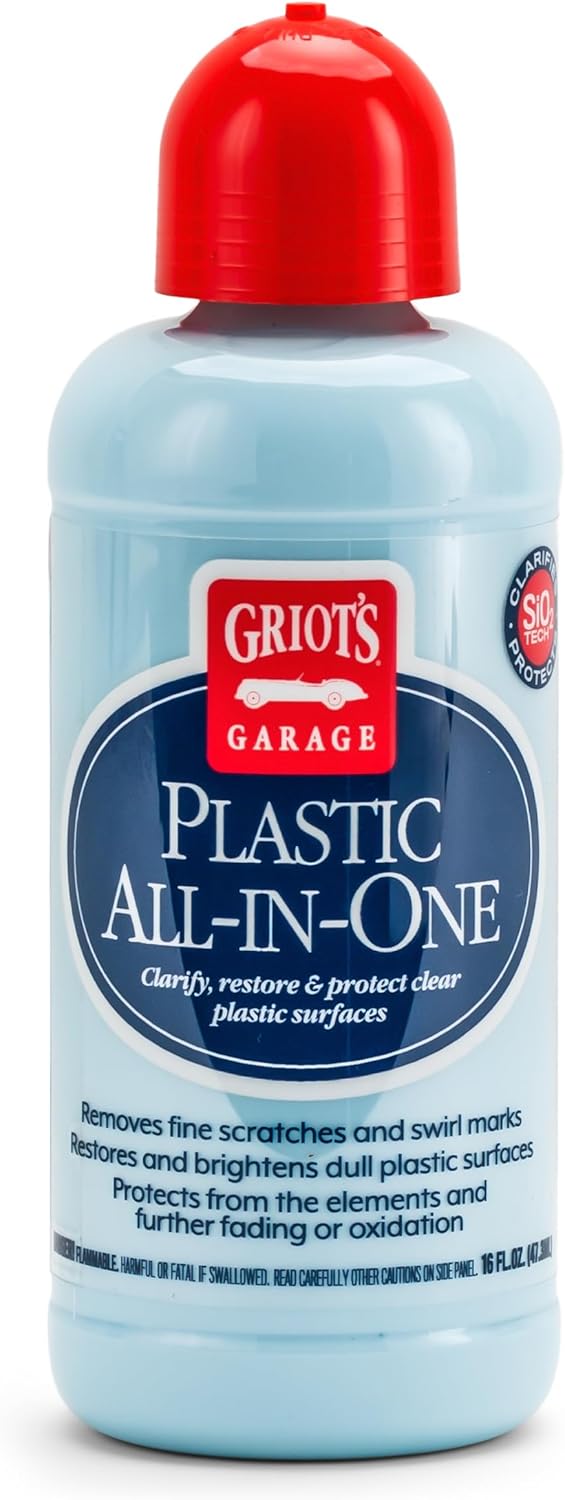 Griot's Garage Plastic All-in-One
headlight-restoration
Related
Health and environment notes translate the manufacturer Safety Data Sheet, the GHS classification, and authoritative regulatory listings (California Prop 65, EPA). Not medical advice. They describe the ingredient itself; whether a hazard applies to a finished product depends on its concentration and how it's used.