
Hydrocarbons, C4, 1,3-butadiene-free, polymerized, triisobutylene fraction, hydrogenated
- Polymers
- CAS 93685-81-5
- IUPAC: Hydrocarbons, C4, 1,3-butadiene-free, polymd., triisobutylene fraction, hydrogenated
Hydrocarbons, C4, 1,3-butadiene-free, polymerized, triisobutylene fraction, hydrogenated (CAS 93685-81-5) appears in 2 of the 2,122 car-care products CarCareTruth tracks (as of August 2026). It is classified as a VOC.
Classified Flam. Liq. 3 (H226 — flash point 28°C), Asp. Tox. 1 (H304 — aspiration hazard if swallowed), and Aquatic Chronic 4 (H413 — may cause long-lasting harmful effects to aquatic life). The aspiration hazard is the primary health concern — relevant only via ingestion, not normal topical application. At 25–50% in the formulation, this ingredient drives the mixture's H226 flash-point classification.
This hydrogenated C4 hydrocarbon polymer (CAS 93685-81-5) is a low-molecular-weight polyisobutylene-type resin used as the primary film-forming constituent in petroleum-based tire coatings. The "1,3-butadiene-free" qualifier confirms that the carcinogenic diene (butadiene) has been removed during polymerization — this is a safety-grade specification important for regulatory compliance.
At 25–50% in the Gtechniq T1 formula, this polymer forms the durable, flexible coating film that bonds to tire rubber sidewalls. After application, the lighter carrier solvents evaporate and the polymer network cures via physical entanglement and adhesion to the rubber surface. The hydrogenation step ensures the polymer backbone is saturated, improving UV stability and oxidation resistance.
The H226 classification (Flammable Liquid Category 3, flash point 28°C) means the mixture is classified as a flammable liquid — a material-handling consideration that does not affect health risk from normal topical use. The H304 aspiration hazard applies only if swallowed; there is no dermal or inhalation pathway to aspiration toxicity. The Aquatic Chronic 4 classification (H413) reflects the expected slow biodegradation of this hydrocarbon polymer class.
Health & environment profile
- VOC
- yes
- Prop 65 listed
- no
- Asthmagen
- no
- EPA Safer Choice
- no
- Aquatic toxicity
- yes
- Biodegradable
- no
- Bioaccumulative
- no
- Persistent
- yes
- Ozone depleting
- no
- Microplastic
- no
- PFAS
- no
- Env. score
- 3/5
Common questions about Hydrocarbons, C4, 1,3-butadiene-free, polymerized, triisobutylene fraction, hydrogenated
- What is Hydrocarbons, C4, 1,3-butadiene-free, polymerized, triisobutylene fraction, hydrogenated used for in car care?
- Primary film-forming agent and bonding substrate in petroleum-based tire coatings; provides the durable, flexible polymer film that adheres to rubber sidewalls
- Is Hydrocarbons, C4, 1,3-butadiene-free, polymerized, triisobutylene fraction, hydrogenated a VOC?
- Yes. Hydrocarbons, C4, 1,3-butadiene-free, polymerized, triisobutylene fraction, hydrogenated is classified as a volatile organic compound (VOC).
- Is Hydrocarbons, C4, 1,3-butadiene-free, polymerized, triisobutylene fraction, hydrogenated on California's Proposition 65 list?
- No. Hydrocarbons, C4, 1,3-butadiene-free, polymerized, triisobutylene fraction, hydrogenated is not on California's Proposition 65 list.
2 products contain this
 Gtechniq G5 Water Repellent Coating
rain-repellent
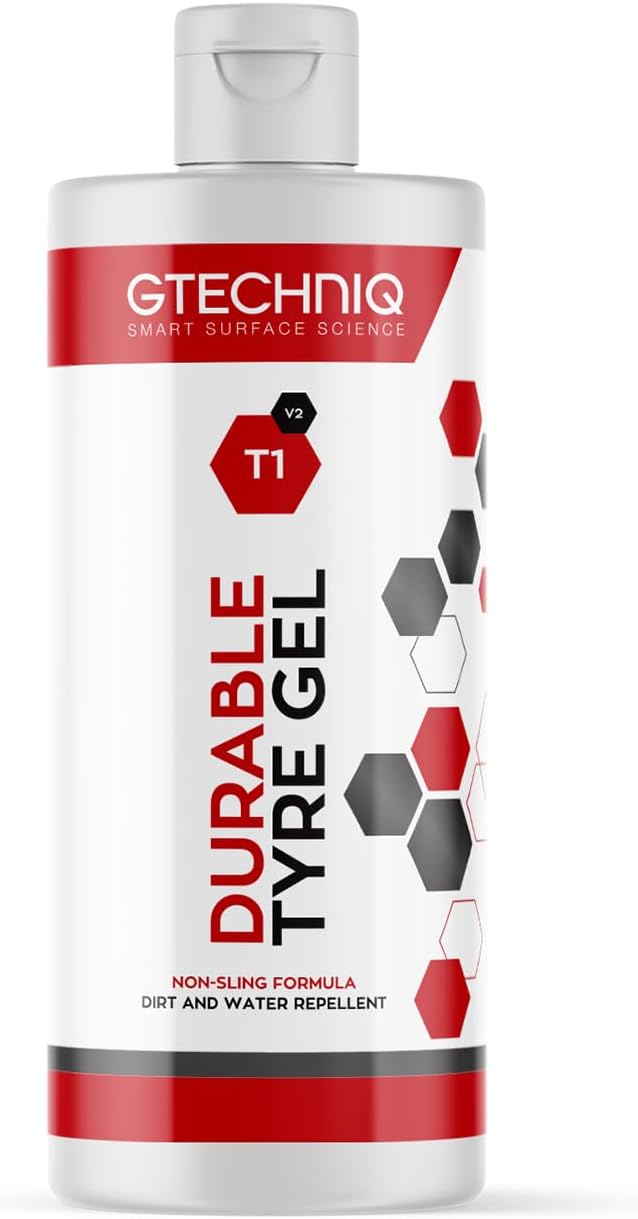 Gtechniq T1 Tyre and Trim
trim-restorer
Related
Health and environment notes translate the manufacturer Safety Data Sheet, the GHS classification, and authoritative regulatory listings (California Prop 65, EPA). Not medical advice. They describe the ingredient itself; whether a hazard applies to a finished product depends on its concentration and how it's used.