
Heptadecafluorodecyl Trimethoxysilane
- Fluoropolymers
- CAS 83048-65-1
- IUPAC: Trimethoxy(1H,1H,2H,2H-heptadecafluorodecyl)silane
Heptadecafluorodecyl Trimethoxysilane (CAS 83048-65-1) appears in 1 of the 2,122 car-care products CarCareTruth tracks (as of August 2026). It is a PFAS chemical.
H315 (skin irritation Cat 2) and H319 (eye irritation Cat 2A) at ingredient level. The methoxysilane group hydrolyzes on cure to release methanol — acute methanol toxicity is a real concern at high ingredient concentration but minimal in the 1-5% finished-product range. The dominant editorial concern is environmental: as a PFAS active it persists indefinitely and bioaccumulates.
Heptadecafluorodecyl-trimethoxysilane (CAS 83048-65-1) is a fluoroalkylsilane glass-coating active used in CarPro FlyBy30 and historically in some Aquapel and professional-grade windshield treatments. The chemistry combines a perfluorinated C8 alkyl chain (the "heptadecafluorodecyl" portion — 17 fluorines on a 10-carbon chain) with a trimethoxysilyl anchor group that bonds to silica-rich substrates like glass.
The performance benefit is genuine: fluorine substitution produces very low surface energy, which translates to high water contact angles (tight beading), high oil contact angles (oleophobic resistance to bug splatter and road grime), and chemical durability against most polar liquids. The cured film is one of the more durable consumer-applicable glass coatings.
The environmental cost is the reason the chemistry has been increasingly restricted in industrial applications. The C8 perfluoroalkyl chain meets the OECD PFAS structural definition (any substance containing one or more perfluoroalkyl moieties); the C–F bonds resist normal environmental degradation pathways, leading to indefinite persistence in soil and water. The chain length (C8) places this compound in the same persistence and bioaccumulation tier as PFOA — though the silane anchor and the H,H,H,H spacer differentiate it from PFOA itself, the overall environmental profile is similar.
Use in finished glass coatings is at 1-5% concentration. Per-application volume is small (a few mL per windshield once a year), but the cured film does eventually weather off the glass surface and enters drains and waterways through normal car washing.
Health & environment profile
- VOC
- no
- Prop 65 listed
- no
- Asthmagen
- no
- EPA Safer Choice
- no
- Aquatic toxicity
- no
- Biodegradable
- no
- Bioaccumulative
- yes
- Persistent
- yes
- Ozone depleting
- no
- Microplastic
- no
- PFAS
- yes
- Env. score
- 2/5
Common questions about Heptadecafluorodecyl Trimethoxysilane
- What is Heptadecafluorodecyl Trimethoxysilane used for in car care?
- Fluoroalkylsilane glass-coating active. Hydrolyzes on application to release methanol and bond to silica-rich substrates (glass, ceramic). Forms a fluorine-rich hydrophobic and oleophobic film with high contact angles for water and most polar liquids.
- Is Heptadecafluorodecyl Trimethoxysilane a VOC?
- No. Heptadecafluorodecyl Trimethoxysilane is not classified as a volatile organic compound (VOC).
- Is Heptadecafluorodecyl Trimethoxysilane on California's Proposition 65 list?
- No. Heptadecafluorodecyl Trimethoxysilane is not on California's Proposition 65 list.
- Is Heptadecafluorodecyl Trimethoxysilane a PFAS chemical?
- Yes. Heptadecafluorodecyl Trimethoxysilane is a per- or polyfluoroalkyl substance (PFAS).
1 product contain this
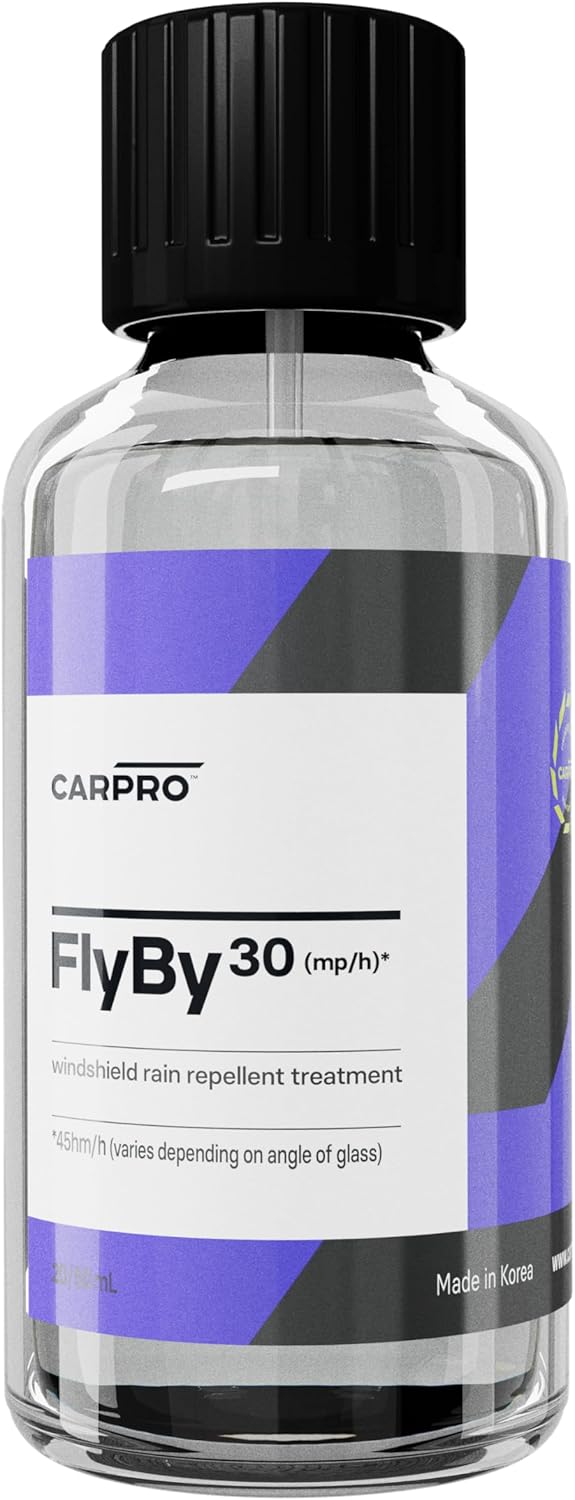 CarPro FlyBy30 Glass Coating
glass-coating
Related
Health and environment notes translate the manufacturer Safety Data Sheet, the GHS classification, and authoritative regulatory listings (California Prop 65, EPA). Not medical advice. They describe the ingredient itself; whether a hazard applies to a finished product depends on its concentration and how it's used.