
Glycerine
- Humectants
- CAS 56-81-5
- IUPAC: propane-1,2,3-triol
Glycerine (CAS 56-81-5) appears in 3 of the 2,122 car-care products CarCareTruth tracks (as of August 2026). It is on the EPA Safer Choice list.
No GHS classification. Non-irritating at typical use concentrations. Widely used in food, personal care, and pharmaceutical applications. No skin-sensitizer or respiratory-hazard designation.
Glycerine (glycerol) is a naturally occurring polyol produced as a by-product of biodiesel and soap manufacturing, and by hydrolysis of vegetable oils. In car care and interior detailing formulas it functions as a humectant — retaining moisture to prevent the product from drying too quickly on a surface and improving the tactile feel of the application. At typical detailing concentrations it presents no health classification and an excellent environmental profile: it is readily biodegradable, non-toxic to aquatic life, and is on the EPA Safer Choice certified ingredient list.
Health & environment profile
- VOC
- no
- Prop 65 listed
- no
- Asthmagen
- no
- EPA Safer Choice
- yes
- Aquatic toxicity
- no
- Biodegradable
- yes
- Bioaccumulative
- no
- Persistent
- no
- Ozone depleting
- no
- Microplastic
- no
- PFAS
- no
- Env. score
- 5/5
Common questions about Glycerine
- What is Glycerine used for in car care?
- Humectant and conditioning agent; retains moisture in formulations and provides a smooth, non-tacky surface feel
- Is Glycerine a VOC?
- No. Glycerine is not classified as a volatile organic compound (VOC).
- Is Glycerine on California's Proposition 65 list?
- No. Glycerine is not on California's Proposition 65 list.
- Is Glycerine EPA Safer Choice certified?
- Yes. Glycerine is on the EPA Safer Choice list.
3 products contain this
 Adam's Polishes All Purpose Dressing
engine-bay-dressing
 Adam's Polishes Interior Detailer (Eucalyptus Mint)
interior-detailer
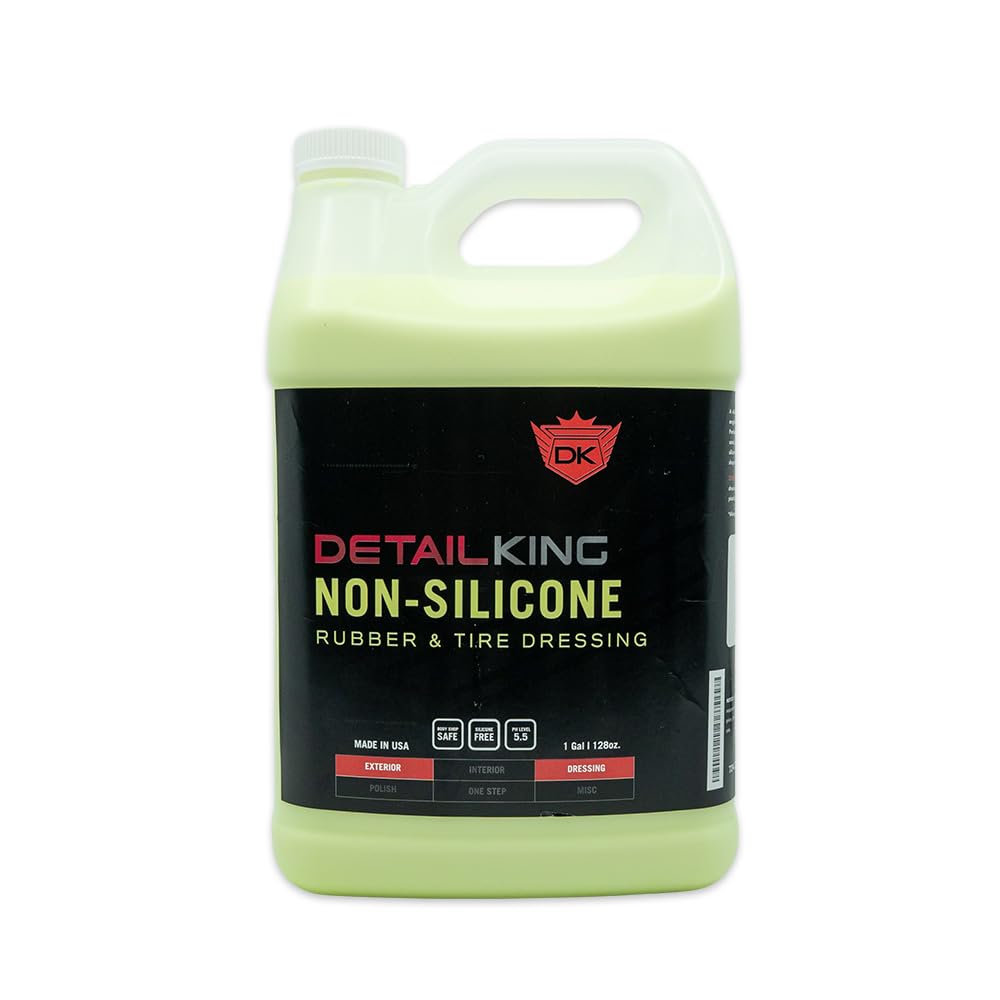 Detail King Non-Silicone Engine Bay Dressing
engine-bay-dressing
Related
Health and environment notes translate the manufacturer Safety Data Sheet, the GHS classification, and authoritative regulatory listings (California Prop 65, EPA). Not medical advice. They describe the ingredient itself; whether a hazard applies to a finished product depends on its concentration and how it's used.