
Glycerin (Glycerol)
- Humectants
- CAS 56-81-5
- IUPAC: propane-1,2,3-triol
Glycerin (Glycerol) (CAS 56-81-5) appears in 12 of the 2,122 car-care products CarCareTruth tracks (as of August 2026). It is on the EPA Safer Choice list.
OSHA TWA 15 mg/m³ (total dust), 5 mg/m³ (respirable). Not classified as hazardous under GHS. No reproductive toxicity, carcinogenicity, or sensitization classification. Very low acute toxicity (LD50 > 57,000 mg/kg, rat, oral). FDA-listed as GRAS for food use.
Glycerin (glycerol, CAS 56-81-5) is a naturally derived polyol used as a humectant, emulsion stabilizer, and spreading agent. It is a byproduct of biodiesel production and widely regarded as one of the safest solvents in personal care and industrial formulations.
In automotive rubbing compounds, glycerin (<2%) supports the emulsion stability and spreads the compound evenly across polycarbonate or paint surfaces. It biodegrades readily and poses no aquatic hazard.
Health & environment profile
- VOC
- no
- Prop 65 listed
- no
- Asthmagen
- no
- EPA Safer Choice
- yes
- Aquatic toxicity
- no
- Biodegradable
- yes
- Bioaccumulative
- no
- Persistent
- no
- Ozone depleting
- no
- Microplastic
- no
- PFAS
- no
- Env. score
- 5/5
Common questions about Glycerin (Glycerol)
- What is Glycerin (Glycerol) used for in car care?
- Humectant, emulsion stabilizer, and spreading agent in water-based detailing products
- Is Glycerin (Glycerol) a VOC?
- No. Glycerin (Glycerol) is not classified as a volatile organic compound (VOC).
- Is Glycerin (Glycerol) on California's Proposition 65 list?
- No. Glycerin (Glycerol) is not on California's Proposition 65 list.
- Is Glycerin (Glycerol) EPA Safer Choice certified?
- Yes. Glycerin (Glycerol) is on the EPA Safer Choice list.
12 products contain this
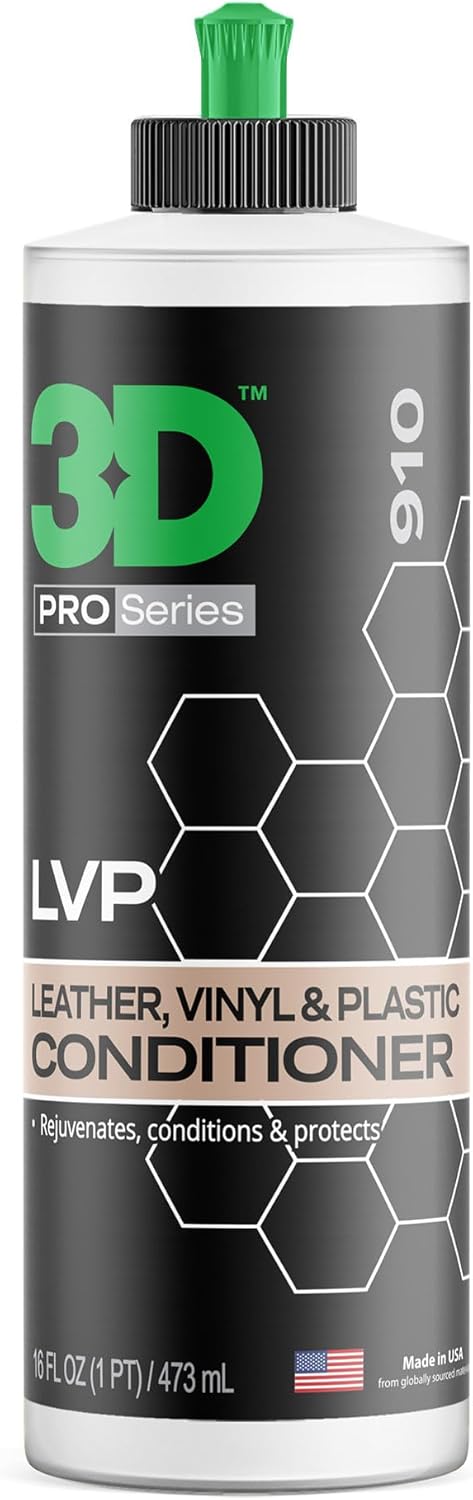 3D Car Care 3D Leather, Vinyl & Plastic ConditionerProp 65
leather-conditioner
 3D Car Care 3D Speed All-In-One Polish & WaxProp 65
one-step-polish
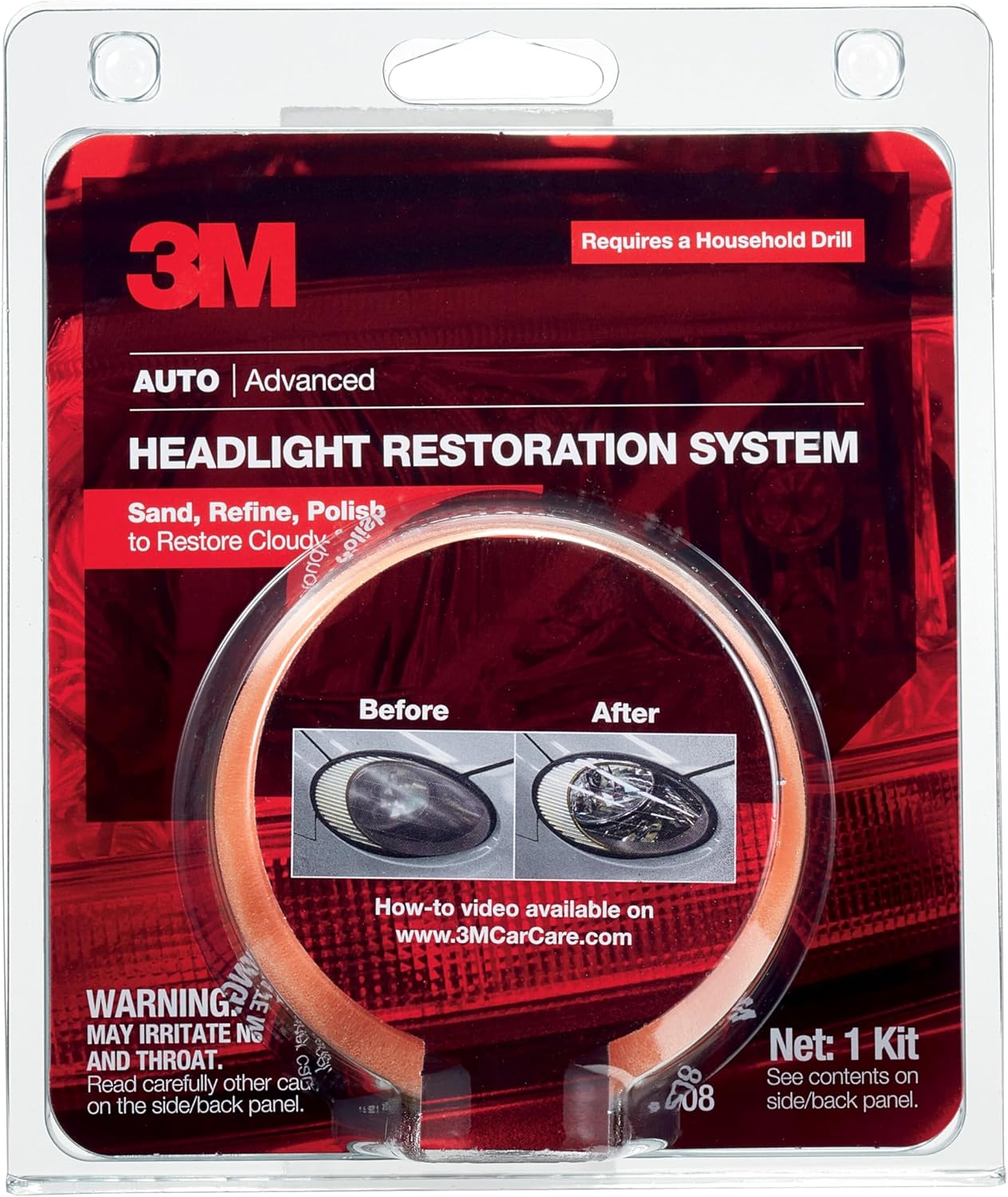 3M Headlight Lens Restoration System (39008)Prop 65
headlight-restoration-kit
 Adam's Polishes Detail Spray
quick-detailer
 Prop 65
 Chemical Guys Leather Quick DetailerProp 65
leather-conditioner
 Chemical Guys Vintage Series Leather ConditionerProp 65
leather-conditioner
 Prop 65
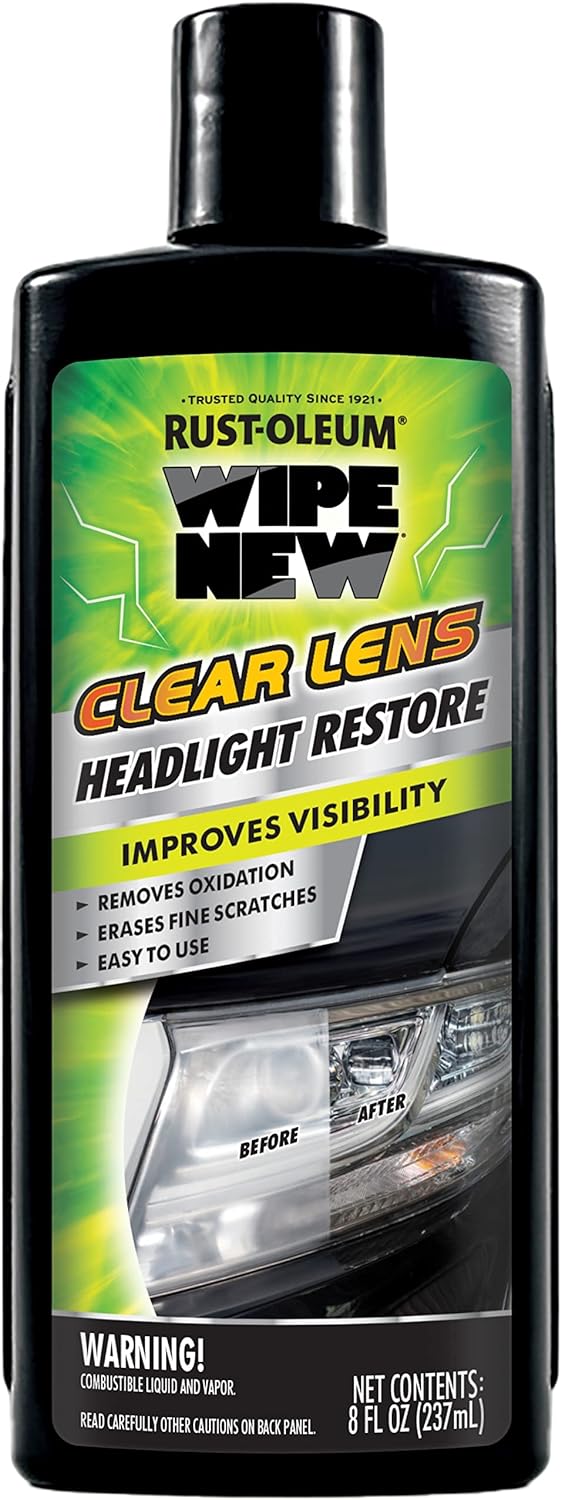 Rust-Oleum Wipe New Clear Lens Headlight Restore, 8 oz
headlight-restoration
 Turtle Wax Headlight Lens Restorer Kit (T-240KT)
headlight-restoration-kit
 Turtle Wax Speed Headlight Lens Restorer Kit (53435)
headlight-restoration-kit
 Turtle Wax Spot Clean Stain & Odor RemoverProp 65
fabric-upholstery-cleaner
Related
Health and environment notes translate the manufacturer Safety Data Sheet, the GHS classification, and authoritative regulatory listings (California Prop 65, EPA). Not medical advice. They describe the ingredient itself; whether a hazard applies to a finished product depends on its concentration and how it's used.