
Ethylene Glycol Monobutyl Ether
- Glycol ether solvents
- CAS 111-76-2
- IUPAC: 2-Butoxyethanol
Ethylene Glycol Monobutyl Ether (CAS 111-76-2) appears in 3 of the 2,122 car-care products CarCareTruth tracks (as of August 2026). It is classified as a VOC.
Moderate hazard at occupational exposure levels — absorbed through skin, can cause blood cell changes (hemolysis) in animals at high doses. At 1–5% in consumer products used briefly, health risk is low in practice. Not listed on Prop 65. ACGIH TLV-TWA 50 ppm (skin notation). SDS typically calls for gloves for prolonged or repeated contact — reasonable for professional use, boilerplate for brief consumer use.
2-Butoxyethanol (EGMBE) is a glycol ether solvent used in glass cleaners, all-purpose cleaners, and degreasers as a coupling agent — it keeps oil-soluble and water-soluble ingredients in one phase and improves drying without streaks. It's the characteristic-smelling ingredient in many blue glass cleaners.
The occupational health concern is real: sustained inhalation or skin absorption at workplace concentrations can cause hemolytic anemia in animal studies. OSHA PEL is 50 ppm TWA (skin notation). But at 1–5% in a consumer aerosol used briefly, the exposure dose is orders of magnitude below any threshold of concern. The "gloves for prolonged or repeated contact" language in SDS Section 8 is appropriate for professional detailers doing multiple applications daily, not for a homeowner cleaning windshields weekly.
Readily biodegradable (>60% in 28 days in OECD 301B), low aquatic toxicity, no persistence or bioaccumulation.
Health & environment profile
- VOC
- yes
- Prop 65 listed
- no
- Asthmagen
- no
- EPA Safer Choice
- no
- Aquatic toxicity
- no
- Biodegradable
- yes
- Bioaccumulative
- no
- Persistent
- no
- Ozone depleting
- no
- Microplastic
- no
- PFAS
- no
- Env. score
- 3/5
Common questions about Ethylene Glycol Monobutyl Ether
- What is Ethylene Glycol Monobutyl Ether used for in car care?
- Coupling agent and surfactant-booster in glass cleaners and all-purpose cleaners; improves film-free drying and cutting action on greasy soils
- Is Ethylene Glycol Monobutyl Ether a VOC?
- Yes. Ethylene Glycol Monobutyl Ether is classified as a volatile organic compound (VOC).
- Is Ethylene Glycol Monobutyl Ether on California's Proposition 65 list?
- No. Ethylene Glycol Monobutyl Ether is not on California's Proposition 65 list.
- Is Ethylene Glycol Monobutyl Ether biodegradable?
- Yes. Ethylene Glycol Monobutyl Ether has a confirmed biodegradable profile.
3 products contain this
 Gold Eagle Co. STA-BIL Storage Fuel Stabilizer
fuel-stabilizer
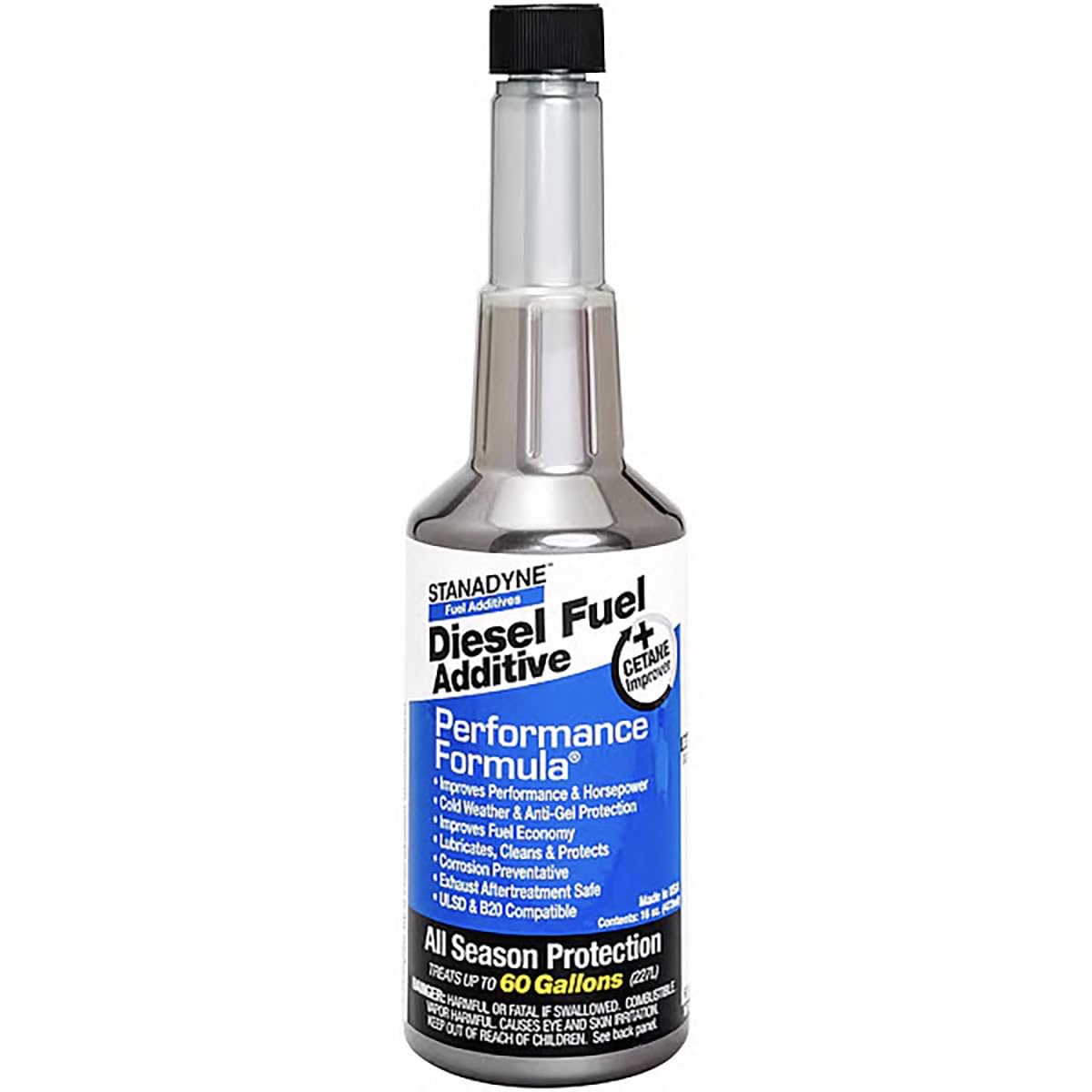 Stanadyne Performance Formula Diesel Fuel AdditiveProp 65
diesel-treatment
 TriNova Leather Conditioner and CleanerProp 65
leather-care
Related
Health and environment notes translate the manufacturer Safety Data Sheet, the GHS classification, and authoritative regulatory listings (California Prop 65, EPA). Not medical advice. They describe the ingredient itself; whether a hazard applies to a finished product depends on its concentration and how it's used.