
Dichloromethane (Methylene Chloride)
- Other solvents
- CAS 75-09-2
- IUPAC: Dichloromethane
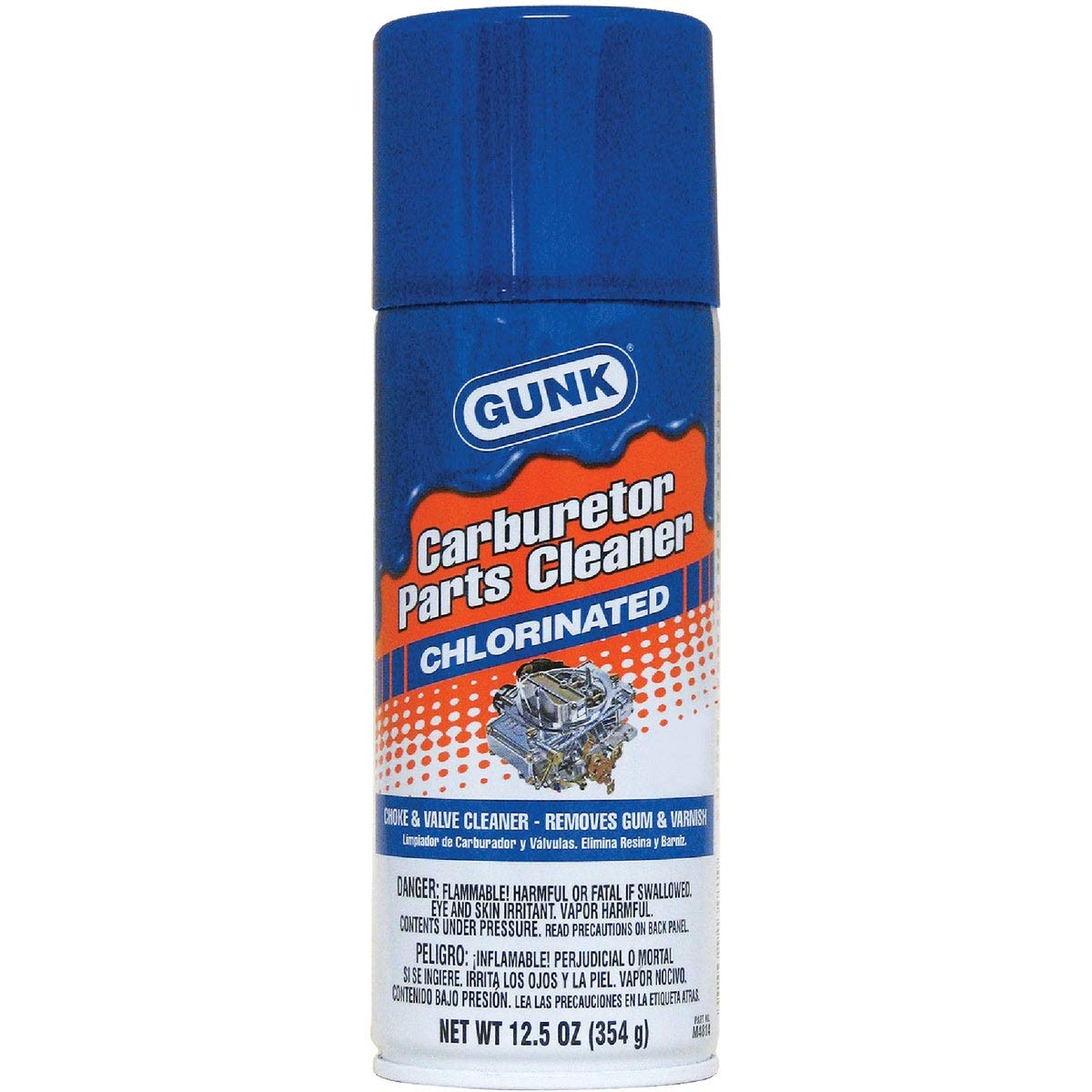
Dichloromethane (Methylene Chloride) (CAS 75-09-2) appears in 1 of the 2,122 car-care products CarCareTruth tracks (as of August 2026), 1 of which carry a DANGER signal word on their published Safety Data Sheet. It is listed on California's Proposition 65.
California Proposition 65–listed for cancer (CRT listed 1988-04-01). IARC Group 2A 'Probably carcinogenic to humans.' NTP Report on Carcinogens classification 'Reasonably Anticipated to be a Human Carcinogen.' OSHA Specifically Regulated Substance (29 CFR 1910.1052) with TWA 25 ppm and STEL 125 ppm. H350 (Cat 1B carcinogen) at mixture level when present at ≥0.1%. Causes acute central nervous system depression at high vapor concentrations (H336 narcotic) and is a known cause of acute fatalities in enclosed-space use cases. EPA finalized TSCA Section 6(h) restrictions on consumer methylene chloride paint-stripping uses (2019) and broader TSCA Section 6 restrictions on most other consumer and commercial uses (2024). Carbamate metabolism in humans yields carbon monoxide as a metabolite — elevated COHb in blood is the standard acute-exposure biomarker.
Dichloromethane (methylene chloride) is a chlorinated solvent historically used as the active ingredient in heavy-duty paint strippers, aerosol carb cleaners, brake cleaners, and some adhesives. Its solvent power against varnish, lacquer, polyurethane, acrylic, and carbon deposits is exceptional — few alternatives match it on the heaviest deposits. The chemistry profile that makes it effective also makes it acutely and chronically hazardous: it is a Prop 65 listed carcinogen (CRT listed 1988-04-01), an IARC Group 2A "Probably carcinogenic to humans" substance, NTP "Reasonably Anticipated to be a Human Carcinogen," and an OSHA Specifically Regulated Substance with substance-specific PELs.
Federal regulatory direction has been progressively restrictive since 2019. EPA's TSCA Section 6(h) rule restricted consumer methylene chloride in paint-stripping uses. The 2024 TSCA Section 6 final rule extends restrictions to most other consumer and commercial uses, with a phased compliance schedule. Carburetor cleaning is not on the explicitly-prohibited-uses list but the chemistry profile is shared with applications already restricted.
Acutely, dichloromethane is uniquely dangerous in confined-space scenarios because it is metabolized to carbon monoxide in humans — elevated carboxyhemoglobin from a single high-vapor exposure can be fatal, and the mechanism is not always anticipated by users familiar with non-chlorinated solvents. The vapor is denser than air, so it accumulates in enclosed low spots (basements, pits, partially-ventilated garages). Required PPE for consumer-strength application includes a chemical respirator with organic-vapor cartridge and full facepiece (NIOSH/MSHA-approved); chemical-resistant gloves with verified dichloromethane permeation data (nitrile fails rapidly — Viton/butyl/polyvinyl alcohol are the typical chemistry-resistant options); chemical-resistant clothing; and an impervious apron.
Federally VOC-exempt under EPA 40 CFR 51.100(s) because of negligible photochemical reactivity in the atmosphere — the exemption is an atmospheric ozone-formation accounting decision and operates independently of the substance's classification as a carcinogen and aquatic toxin. California does not categorically follow this exemption for consumer-product VOC limits in all categories, which is one reason dichloromethane-based consumer products are typically not sold in California even when federally compliant.
Health & environment profile
- VOC
- no
- Prop 65 listed
- yes
- Asthmagen
- no
- EPA Safer Choice
- no
- Aquatic toxicity
- yes
- Biodegradable
- no
- Bioaccumulative
- no
- Persistent
- yes
- Ozone depleting
- no
- Microplastic
- no
- PFAS
- no
- Env. score
- 2/5
Common questions about Dichloromethane (Methylene Chloride)
- What is Dichloromethane (Methylene Chloride) used for in car care?
- Chlorinated solvent for dissolving heavy varnish, gum, paint, lacquer, and carbon deposits; historically the primary active in many heavy-duty carb cleaners and paint strippers
- Is Dichloromethane (Methylene Chloride) a VOC?
- No. Dichloromethane (Methylene Chloride) is not classified as a volatile organic compound (VOC).
- Is Dichloromethane (Methylene Chloride) on California's Proposition 65 list?
- Yes. Dichloromethane (Methylene Chloride) appears on California's Proposition 65 list.
1 product contain this
 Prop 65
Related
Health and environment notes translate the manufacturer Safety Data Sheet, the GHS classification, and authoritative regulatory listings (California Prop 65, EPA). Not medical advice. They describe the ingredient itself; whether a hazard applies to a finished product depends on its concentration and how it's used.