
Decyl Glucoside
- Nonionic surfactants
- CAS 68515-73-1
- IUPAC: D-Glucopyranose, oligomers, decyl octyl glycosides
Decyl Glucoside (CAS 68515-73-1) appears in 3 of the 2,179 car-care products CarCareTruth tracks (as of August 2026). It is on the EPA Safer Choice list.
Generally regarded as among the mildest commercial surfactants. No GHS classification at typical use concentrations. Minimal eye and skin irritation potential.
Decyl glucoside is a plant-derived alkyl polyglucoside (APG) surfactant produced from corn glucose and coconut or palm fatty alcohols. It is one of the most benign commercial surfactants by health and environmental metrics, frequently appearing in EPA Safer Choice and "green" personal care formulations. In leather cleaners, it provides gentle cleaning action without the eye-damage classification carried by traditional ethoxylated alcohols.
Health & environment profile
- VOC
- no
- Prop 65 listed
- no
- Asthmagen
- no
- EPA Safer Choice
- yes
- Aquatic toxicity
- no
- Biodegradable
- yes
- Bioaccumulative
- no
- Persistent
- no
- Ozone depleting
- no
- Microplastic
- no
- PFAS
- no
- Env. score
- 5/5
Common questions about Decyl Glucoside
- What is Decyl Glucoside used for in car care?
- Mild plant-derived nonionic surfactant; foaming and cleaning agent in low-irritation formulations
- Is Decyl Glucoside a VOC?
- No. Decyl Glucoside is not classified as a volatile organic compound (VOC).
- Is Decyl Glucoside on California's Proposition 65 list?
- No. Decyl Glucoside is not on California's Proposition 65 list.
- Is Decyl Glucoside EPA Safer Choice certified?
- Yes. Decyl Glucoside is on the EPA Safer Choice list.
3 products contain this
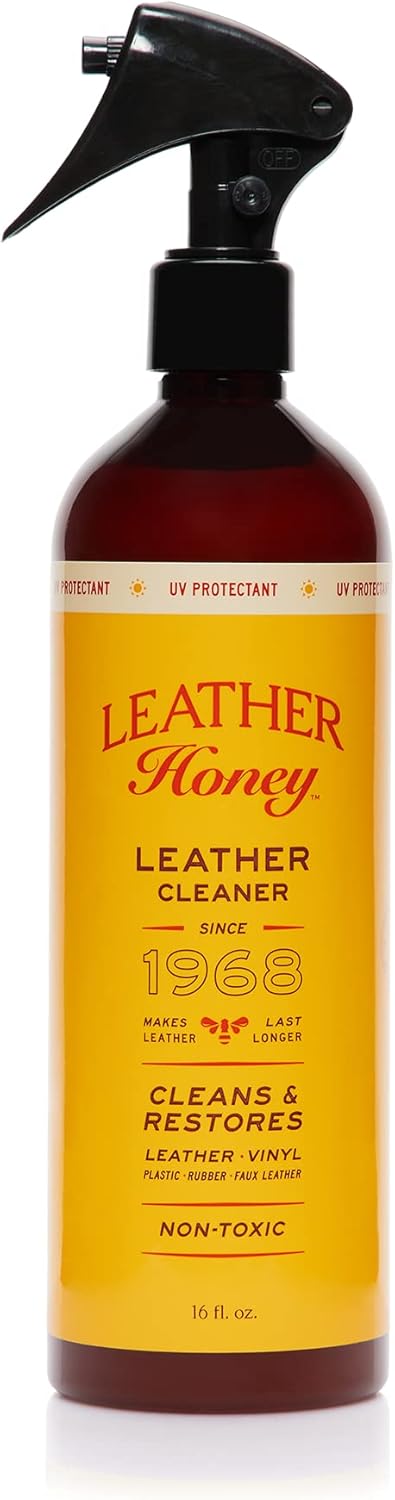 Leather Honey Leather Cleaner Spray with Protectant
leather-cleaner
 Leather Honey Complete Leather Care Kit
leather-care
 Windex Fast Shine Foam Glass Cleaner
glass-cleaner
Related
Health and environment notes translate the manufacturer Safety Data Sheet, the GHS classification, and authoritative regulatory listings (California Prop 65, EPA). Not medical advice. They describe the ingredient itself; whether a hazard applies to a finished product depends on its concentration and how it's used.