
C10-16 Alcohol Ethoxylate
- Nonionic surfactants
- CAS 68002-97-1
C10-16 Alcohol Ethoxylate (CAS 68002-97-1) appears in 3 of the 2,122 car-care products CarCareTruth tracks (as of August 2026). It is on the EPA Safer Choice list.
Low acute toxicity. Mild eye and skin irritation possible at high concentrations. The ethoxylation process can leave trace 1,4-dioxane (a possible carcinogen) — typically present at <10 ppm in finished products.
C10-16 alcohol ethoxylates are linear alcohol-based nonionic surfactants that replaced nonylphenol ethoxylates (NPE) in many consumer formulations. They biodegrade more readily and have lower aquatic toxicity. Modern grades are EPA Safer Choice listed. The trace 1,4-dioxane byproduct from ethoxylation is the main residual concern, though concentrations are well below thresholds requiring disclosure.
Health & environment profile
- VOC
- no
- Prop 65 listed
- no
- Asthmagen
- no
- EPA Safer Choice
- yes
- Aquatic toxicity
- no
- Biodegradable
- yes
- Bioaccumulative
- no
- Persistent
- no
- Ozone depleting
- no
- Microplastic
- no
- PFAS
- no
- Env. score
- 4/5
Common questions about C10-16 Alcohol Ethoxylate
- What is C10-16 Alcohol Ethoxylate used for in car care?
- Workhorse nonionic surfactant used as the primary emulsifier in many water-based detailing products (shampoos, tire dressings, AIO products). Replaces NPE in formulations seeking improved environmental profile
- Is C10-16 Alcohol Ethoxylate a VOC?
- No. C10-16 Alcohol Ethoxylate is not classified as a volatile organic compound (VOC).
- Is C10-16 Alcohol Ethoxylate on California's Proposition 65 list?
- No. C10-16 Alcohol Ethoxylate is not on California's Proposition 65 list.
- Is C10-16 Alcohol Ethoxylate EPA Safer Choice certified?
- Yes. C10-16 Alcohol Ethoxylate is on the EPA Safer Choice list.
3 products contain this
 Prop 65
 Prop 65
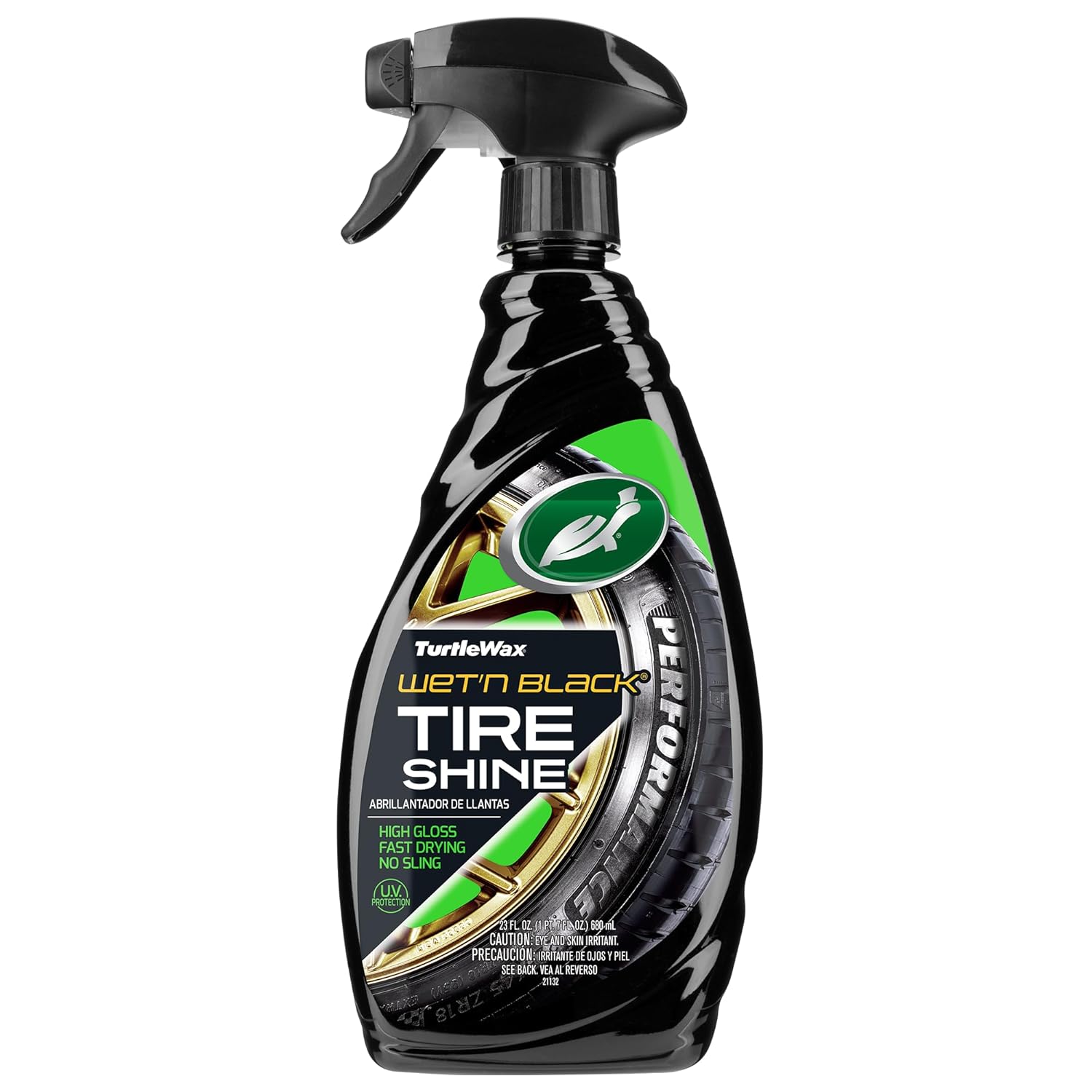 Turtle Wax Wet 'N Black Ultra Wet Tire ShineProp 65
tire-dressing
Related
Health and environment notes translate the manufacturer Safety Data Sheet, the GHS classification, and authoritative regulatory listings (California Prop 65, EPA). Not medical advice. They describe the ingredient itself; whether a hazard applies to a finished product depends on its concentration and how it's used.