
Alpha-Olefin Sulfonate (AOS)
- Anionic surfactants
- CAS 68439-57-6
Alpha-Olefin Sulfonate (AOS) (CAS 68439-57-6) appears in 8 of the 2,122 car-care products CarCareTruth tracks (as of August 2026). It is readily biodegradable.
Mild to moderate skin irritant. Causes serious eye irritation at concentrate strength. Low acute oral toxicity (LD50 1,300-2,400 mg/kg in rats). At car-wash dilutions, exposure risk is minimal.
Alpha-olefin sulfonates (AOS, sodium C14-16-olefin sulfonate) are secondary anionic surfactants commonly paired with LAS in car wash formulations. They boost foam volume and improve the feel of the wash solution.
AOS is milder on skin than LAS — patch tests show human skin tolerates up to 1% AOS for 24 hours with only mild irritation. Aquatic toxicity is moderate (LC50 for fish: 1-10 mg/L; EC50 for crustaceans: ~4-5 mg/L). Readily biodegradable and not bioaccumulative. Negative in Ames mutagenicity tests and no evidence of carcinogenicity in 2-year feeding studies.
Health & environment profile
- VOC
- no
- Prop 65 listed
- no
- Asthmagen
- no
- EPA Safer Choice
- no
- Aquatic toxicity
- yes
- Biodegradable
- yes
- Bioaccumulative
- no
- Persistent
- no
- Ozone depleting
- no
- Microplastic
- no
- PFAS
- no
- Env. score
- 3/5
Common questions about Alpha-Olefin Sulfonate (AOS)
- What is Alpha-Olefin Sulfonate (AOS) used for in car care?
- Secondary anionic surfactant — boosts foam and cleaning power
- Is Alpha-Olefin Sulfonate (AOS) a VOC?
- No. Alpha-Olefin Sulfonate (AOS) is not classified as a volatile organic compound (VOC).
- Is Alpha-Olefin Sulfonate (AOS) on California's Proposition 65 list?
- No. Alpha-Olefin Sulfonate (AOS) is not on California's Proposition 65 list.
- Is Alpha-Olefin Sulfonate (AOS) biodegradable?
- Yes. Alpha-Olefin Sulfonate (AOS) has a confirmed biodegradable profile.
8 products contain this
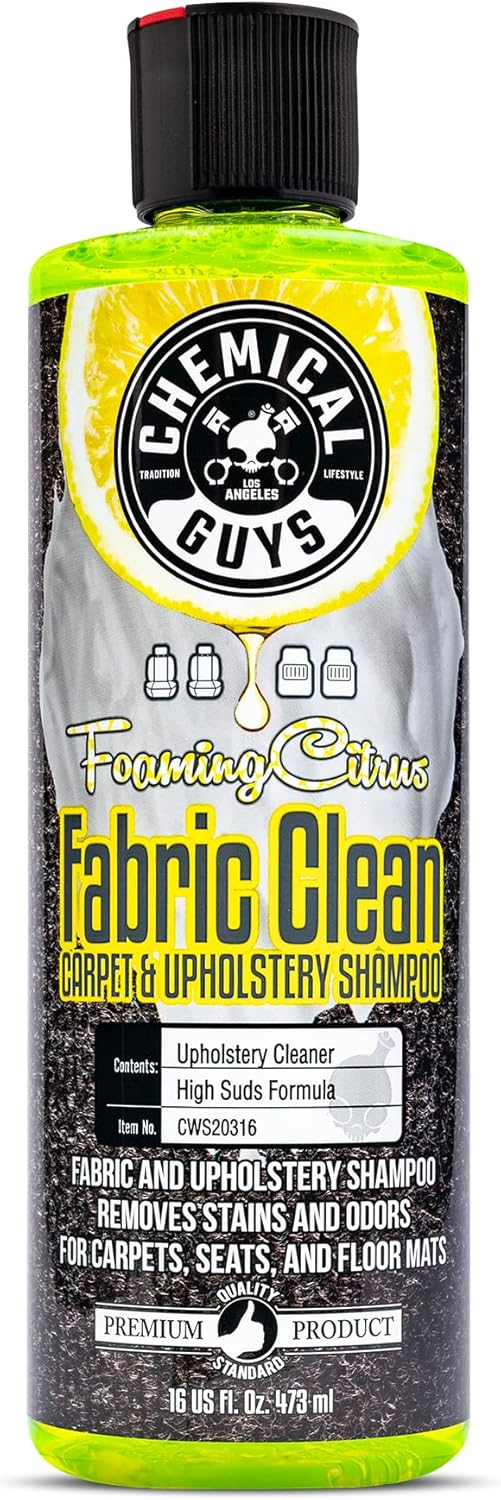 Chemical Guys Foaming Citrus Fabric Clean Carpet & Upholstery Cleaner
fabric-upholstery-cleaner

 Chemical Guys Foaming Citrus Fabric Clean (1 Gallon)
extractor-solution
 Prop 65
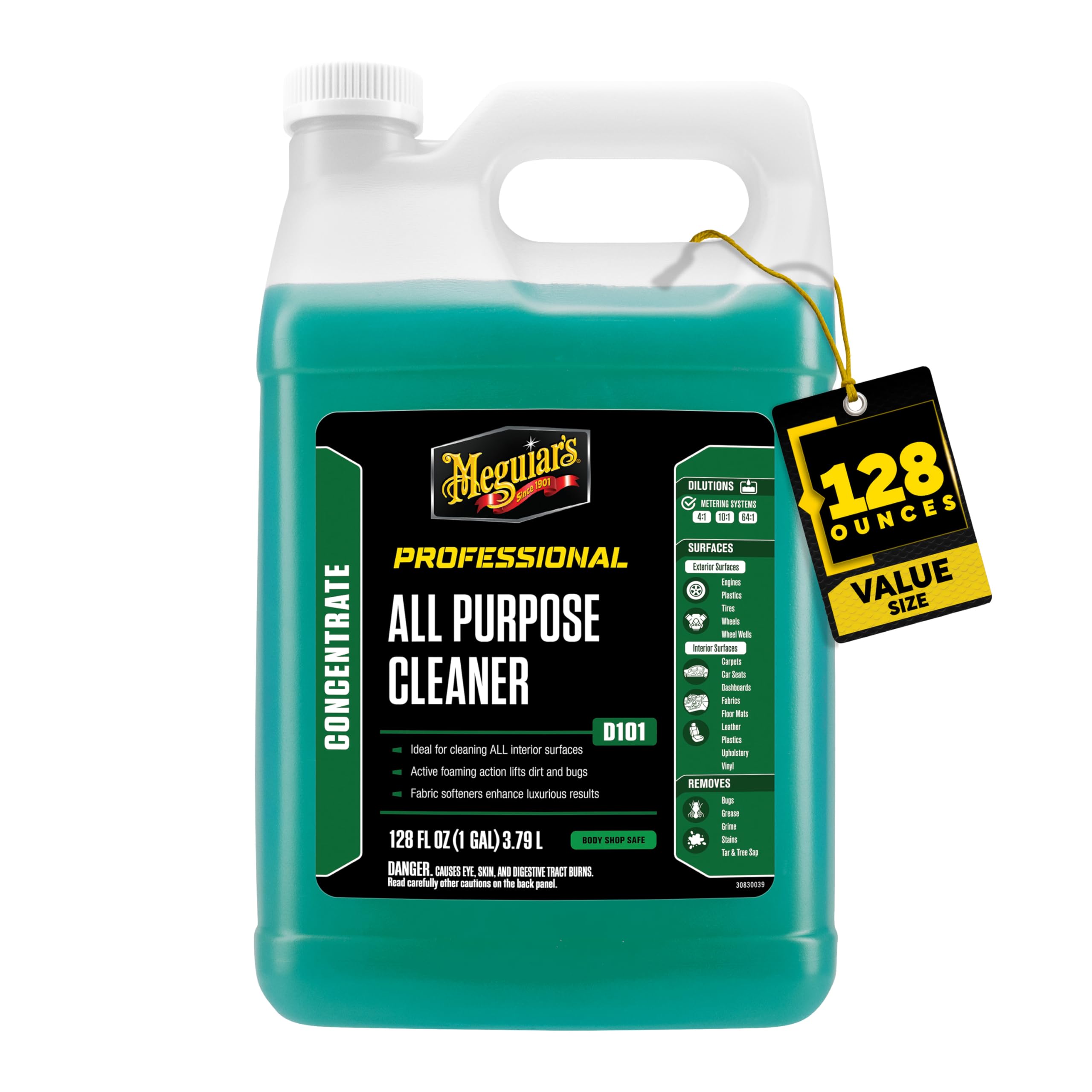 Meguiar's D101 All Purpose Cleaner
all-purpose-cleaner
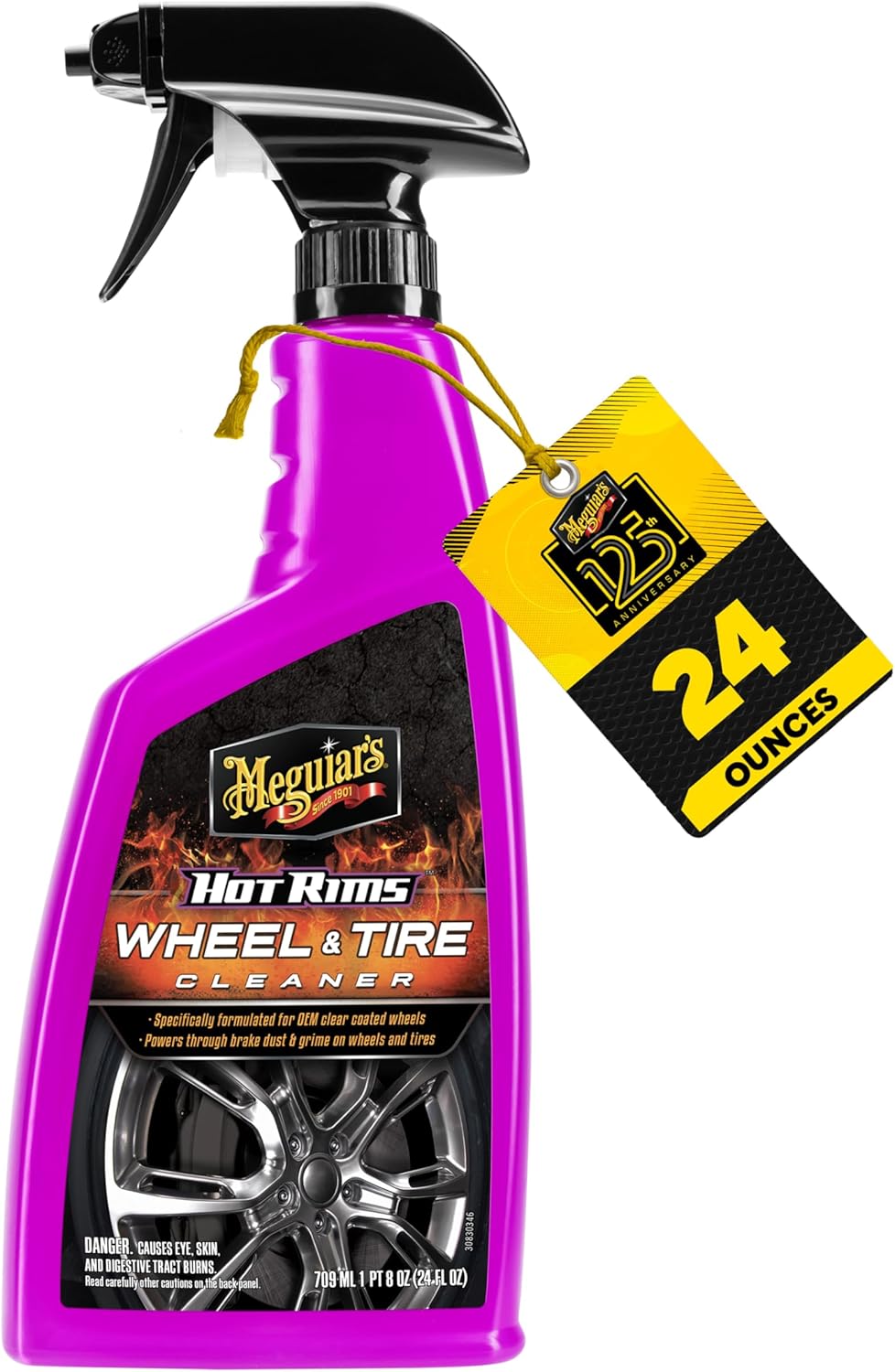 Meguiar's Hot Rims All Wheel CleanerProp 65
wheel-cleaner
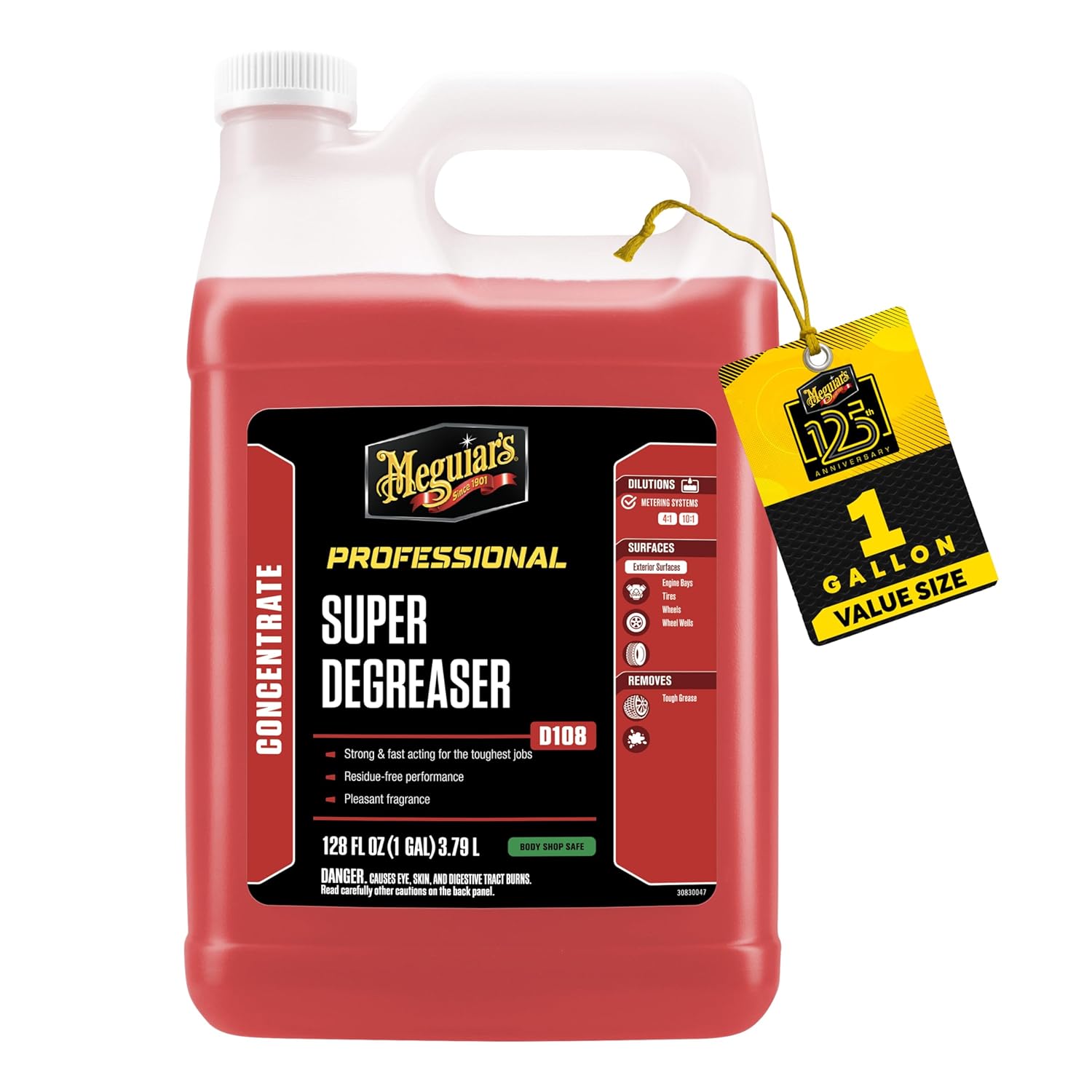 Meguiar's Super DegreaserProp 65
engine-degreaser
 Prop 65
Related
Health and environment notes translate the manufacturer Safety Data Sheet, the GHS classification, and authoritative regulatory listings (California Prop 65, EPA). Not medical advice. They describe the ingredient itself; whether a hazard applies to a finished product depends on its concentration and how it's used.