
Alkyl Polyglucoside (APG)
- Nonionic surfactants
- CAS 68515-73-1
- IUPAC: C8-16 Alkyl polyglucoside
Alkyl Polyglucoside (APG) (CAS 68515-73-1) appears in 7 of the 2,122 car-care products CarCareTruth tracks (as of August 2026). It is on the EPA Safer Choice list.
Listed on the EPA Safer Choice Safer Chemical Ingredients List as a surfactant. Derived from renewable feedstocks (sugar plus coconut/palm). Low irritation potential and not GHS-classified for skin sensitization at typical use concentrations.
APGs are plant-derived nonionic surfactants made from sugar and fatty alcohols. They're the go-to surfactant for formulators targeting the "green" market because they're biodegradable, made from renewables, and have excellent toxicity profiles.
In car care, they appear in products marketed as eco-friendly or biodegradable. Performance is good but not exceptional compared to traditional surfactants — you trade some cleaning power for a better environmental profile.
EPA Safer Choice listed. Readily biodegradable. One of the few surfactants with essentially zero environmental concern.
Health & environment profile
- VOC
- no
- Prop 65 listed
- no
- Asthmagen
- no
- EPA Safer Choice
- yes
- Aquatic toxicity
- no
- Biodegradable
- yes
- Bioaccumulative
- no
- Persistent
- no
- Ozone depleting
- no
- Microplastic
- no
- PFAS
- no
- Env. score
- 5/5
Common questions about Alkyl Polyglucoside (APG)
- What is Alkyl Polyglucoside (APG) used for in car care?
- Biodegradable nonionic surfactant (cleaning)
- Is Alkyl Polyglucoside (APG) a VOC?
- No. Alkyl Polyglucoside (APG) is not classified as a volatile organic compound (VOC).
- Is Alkyl Polyglucoside (APG) on California's Proposition 65 list?
- No. Alkyl Polyglucoside (APG) is not on California's Proposition 65 list.
- Is Alkyl Polyglucoside (APG) EPA Safer Choice certified?
- Yes. Alkyl Polyglucoside (APG) is on the EPA Safer Choice list.
7 products contain this
 Adam's Polishes Graphene Tire DressingProp 65
tire-dressing
 Gyeon Q²M Foam
pre-wash
 Gyeon Q2M TireCleaner
tire-cleaner
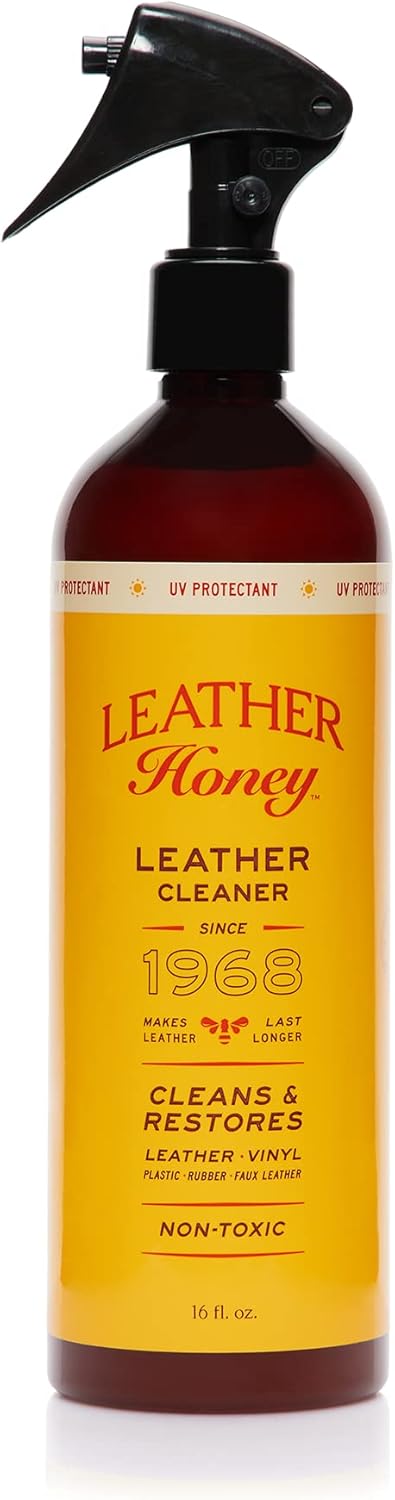 Leather Honey Leather Cleaner Spray with Protectant
leather-cleaner
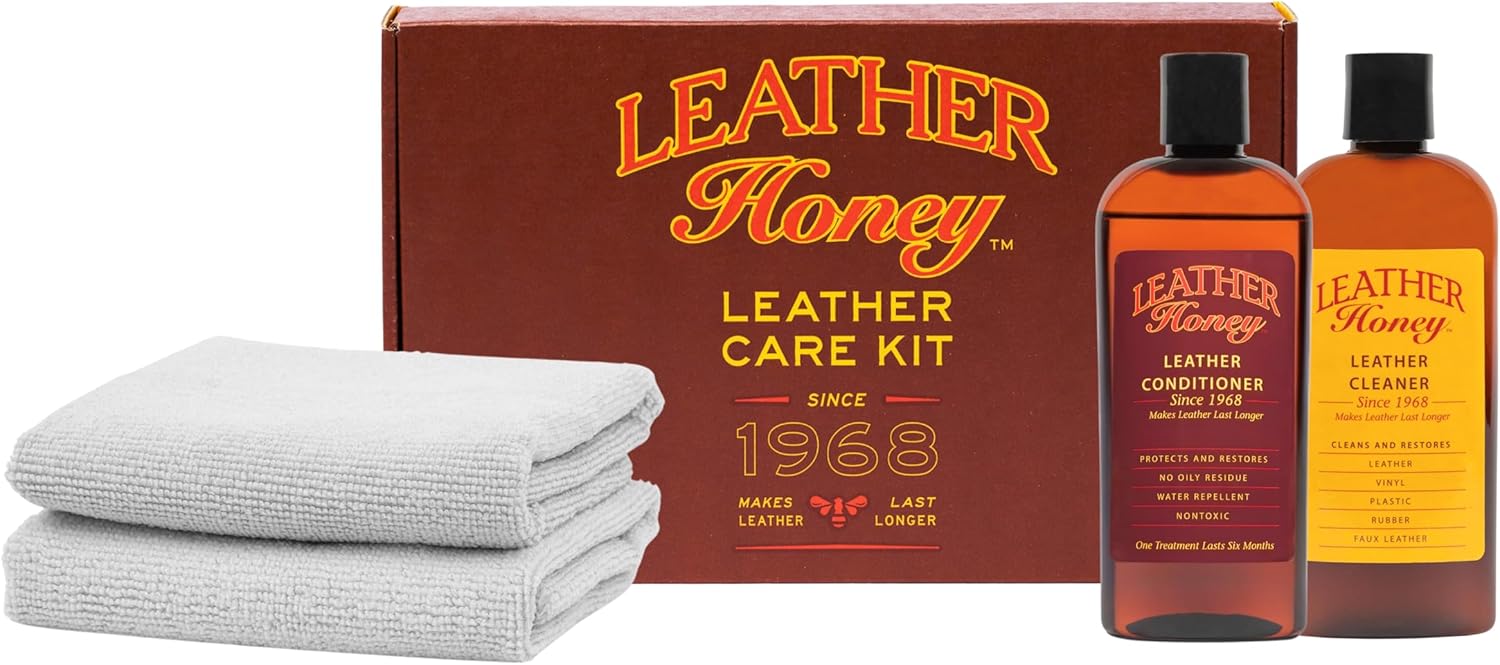 Leather Honey Complete Leather Care Kit
leather-care
 Turtle Wax Power Out! Upholstery Cleaner Odor Eliminator
headliner-cleaner
 Prop 65
Related
Health and environment notes translate the manufacturer Safety Data Sheet, the GHS classification, and authoritative regulatory listings (California Prop 65, EPA). Not medical advice. They describe the ingredient itself; whether a hazard applies to a finished product depends on its concentration and how it's used.