
Acetic Acid
- Acids
- CAS 64-19-7
- IUPAC: acetic acid
Acetic Acid (CAS 64-19-7) appears in 8 of the 2,179 car-care products CarCareTruth tracks (as of August 2026). It is classified as a VOC.
Dilute acetic acid (< 5%) as used in consumer products is typically below GHS classification thresholds. Concentrated glacial acetic acid (≥ 25%) carries H226 (flammable), H314 (skin corrosion), H318 (serious eye damage), H335 (respiratory irritation) — but these hazards apply to the concentrated industrial form, not consumer-level dilutions. Signal word for the concentrate is DANGER. At consumer product concentrations (< 5%), typically Not classified.
Health & environment profile
- VOC
- yes
- Prop 65 listed
- no
- Asthmagen
- no
- EPA Safer Choice
- no
- Aquatic toxicity
- no
- Biodegradable
- yes
- Bioaccumulative
- no
- Persistent
- no
- Ozone depleting
- no
- Microplastic
- no
- PFAS
- no
- Env. score
- 4/5
Common questions about Acetic Acid
- What is Acetic Acid used for in car care?
- pH adjuster, mild acid, and cleaning agent in surface coatings, glass cleaners, and car care products
- Is Acetic Acid a VOC?
- Yes. Acetic Acid is classified as a volatile organic compound (VOC).
- Is Acetic Acid on California's Proposition 65 list?
- No. Acetic Acid is not on California's Proposition 65 list.
- Is Acetic Acid biodegradable?
- Yes. Acetic Acid has a confirmed biodegradable profile.
8 products contain this
 Boat Bling Hot Sauce Premium Hard Water Spot Remover
water-spot-remover
 Cerakote Platinum Rapid Ceramic Paint Sealant Spray
ceramic-spray-coating
 Chemical Guys HydroBlitz Hybrid Ceramic Spray WaxProp 65
ceramic-spray-coating
 Chemical Guys HydroCharge SiO2 Ceramic Spray CoatingProp 65
ceramic-spray-coating
 Gtechniq W9 Water Spot Remover
glass-water-spot-remover
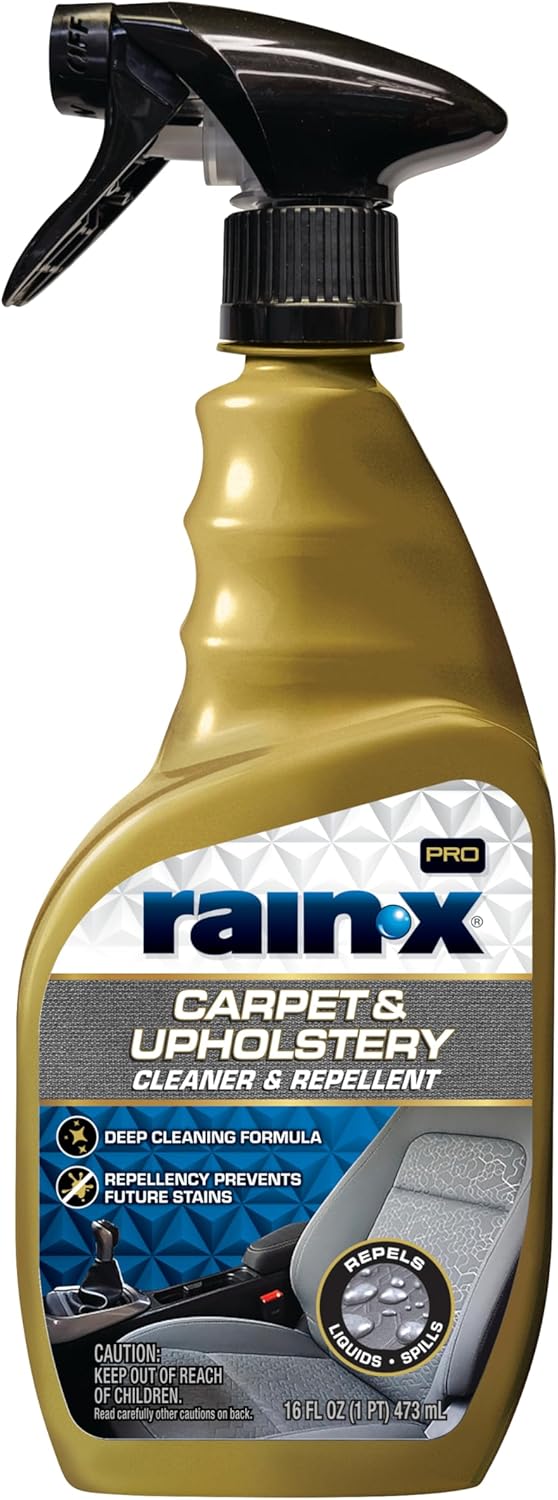 Rain-X Pro Carpet & Upholstery Cleaner & Repellent
fabric-protectant

Related
Health and environment notes translate the manufacturer Safety Data Sheet, the GHS classification, and authoritative regulatory listings (California Prop 65, EPA). Not medical advice. They describe the ingredient itself; whether a hazard applies to a finished product depends on its concentration and how it's used.