
Amorphous Silica
- Abrasives
- CAS 7631-86-9
- IUPAC: Silicon dioxide (amorphous)
Amorphous Silica (CAS 7631-86-9) appears in 5 of the 2,179 car-care products CarCareTruth tracks (as of August 2026).
OSHA classifies amorphous silica as a nuisance particulate (TWA 15 mg/m³ total dust, 5 mg/m³ respirable). Distinct from crystalline silica (quartz): amorphous silica is not classified as carcinogenic by NTP or IARC. Wet-sanding applications minimize inhalation exposure.
Amorphous silica (fumed or precipitated silicon dioxide, CAS 7631-86-9) is the form of silica used as an abrasive in automotive rubbing compounds and polishing pastes. It is distinct from crystalline silica (quartz or cristobalite) — the IARC Group 1 carcinogen form — and is not classified as carcinogenic under repeated exposure. OSHA treats amorphous silica as inert nuisance particulate.
In headlight restoration compounds, amorphous silica provides the abrasive cutting action at 15–40% concentration. Wet-sanding and wet-application processes reduce inhalation exposure substantially compared to dry abrasive use.
Health & environment profile
- VOC
- no
- Prop 65 listed
- no
- Asthmagen
- no
- EPA Safer Choice
- no
- Aquatic toxicity
- no
- Biodegradable
- no
- Bioaccumulative
- no
- Persistent
- yes
- Ozone depleting
- no
- Microplastic
- no
- PFAS
- no
- Env. score
- 3/5
Common questions about Amorphous Silica
- What is Amorphous Silica used for in car care?
- Micro-abrasive polishing agent in rubbing compounds and light-cut polishes
- Is Amorphous Silica a VOC?
- No. Amorphous Silica is not classified as a volatile organic compound (VOC).
- Is Amorphous Silica on California's Proposition 65 list?
- No. Amorphous Silica is not on California's Proposition 65 list.
5 products contain this
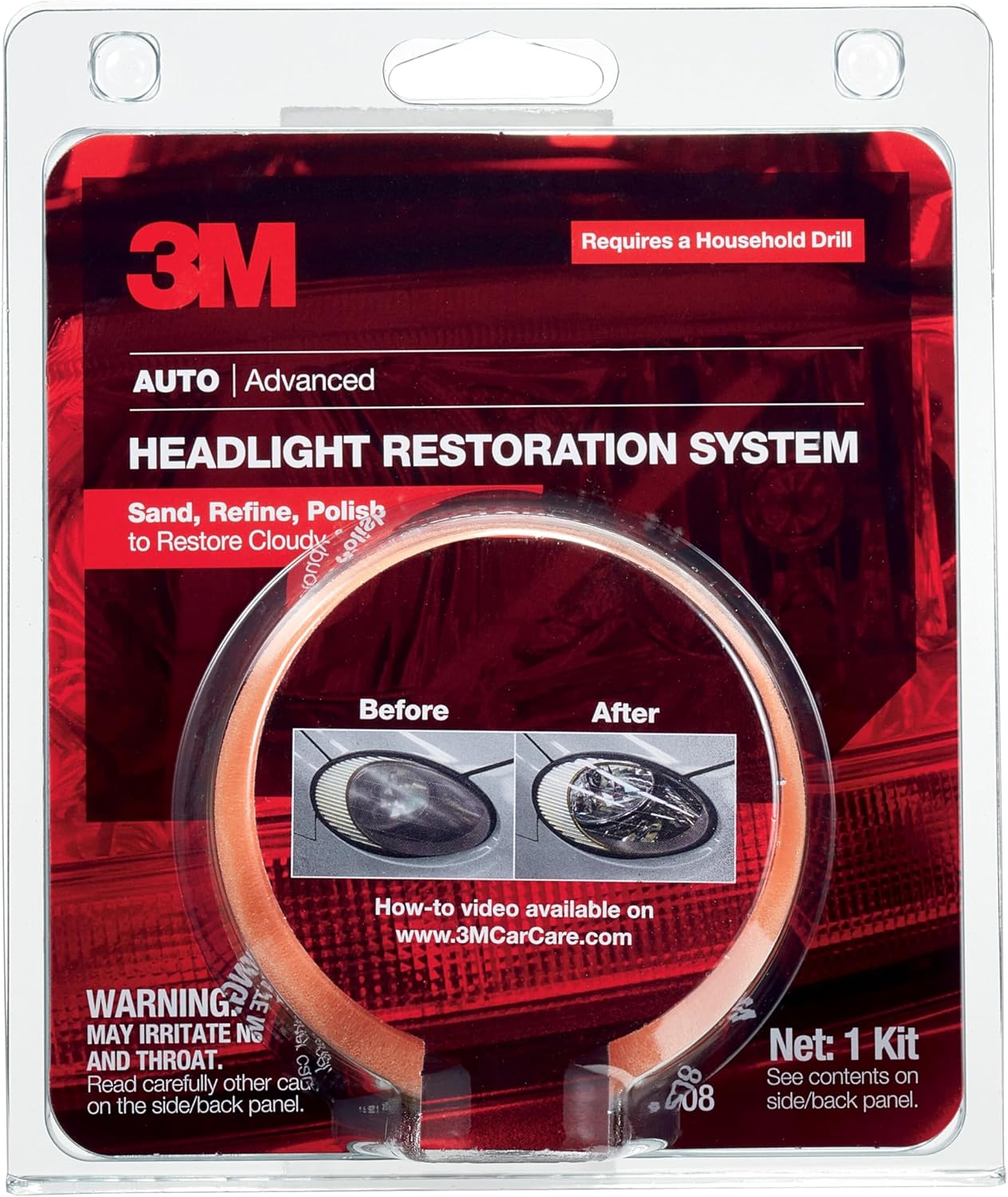 3M Headlight Lens Restoration System (39008)Prop 65
headlight-restoration-kit
 Chemical Guys HydroCharge SiO2 Ceramic Spray CoatingProp 65
ceramic-spray-coating
 CRC Technician Grade Di-Electric Grease Compound (3.3 oz)
dielectric-grease
 Griot's Garage Ceramic 3-in-1 WaxProp 65
ceramic-spray-coating
 SONAX CC36 Ceramic Coating Kit
ceramic-coating
Related
Health and environment notes translate the manufacturer Safety Data Sheet, the GHS classification, and authoritative regulatory listings (California Prop 65, EPA). Not medical advice. They describe the ingredient itself; whether a hazard applies to a finished product depends on its concentration and how it's used.