
Potassium Hydroxide
- Bases
- CAS 1310-58-3
- IUPAC: Potassium hydroxide
Potassium Hydroxide (CAS 1310-58-3) appears in 8 of the 2,168 car-care products CarCareTruth tracks (as of August 2026).
Potassium hydroxide is a strong inorganic base. At concentrations above 2% it is classified Skin Corr. 1A (H314, causes severe skin burns and eye damage), along with H302 (harmful if swallowed), and it drives the DANGER signal word in products that contain it. It is not on California's Prop 65 list and is not classified as a carcinogen, asthmagen, or reproductive toxicant. It neutralizes rapidly on dilution.
Potassium hydroxide (KOH, caustic potash) is a strong inorganic base used as an alkaline builder in cleaning and degreasing formulations. It saponifies fats and oils on contact, making it effective for heavy-duty engine degreasers and industrial cleaners. At concentrations above 2%, it is classified as Skin Corr. 1A (H314) and drives the DANGER signal word in most products containing it. It neutralizes rapidly on dilution and in environmental water, and is not bioaccumulative or persistent. Widely used in soap-making, food processing, and industrial cleaning.
Health & environment profile
- VOC
- no
- Prop 65 listed
- no
- Asthmagen
- no
- EPA Safer Choice
- no
- Aquatic toxicity
- no
- Biodegradable
- no
- Bioaccumulative
- no
- Persistent
- no
- Ozone depleting
- no
- Microplastic
- no
- PFAS
- no
- Env. score
- 5/5
Common questions about Potassium Hydroxide
- What is Potassium Hydroxide used for in car care?
- Strong alkaline builder — raises pH for saponification of grease and oils in cleaning formulations
- Is Potassium Hydroxide a VOC?
- No. Potassium Hydroxide is not classified as a volatile organic compound (VOC).
- Is Potassium Hydroxide on California's Proposition 65 list?
- No. Potassium Hydroxide is not on California's Proposition 65 list.
8 products contain this
 Chemical Guys HydroBlitz Hybrid Ceramic Spray WaxProp 65
ceramic-spray-coating
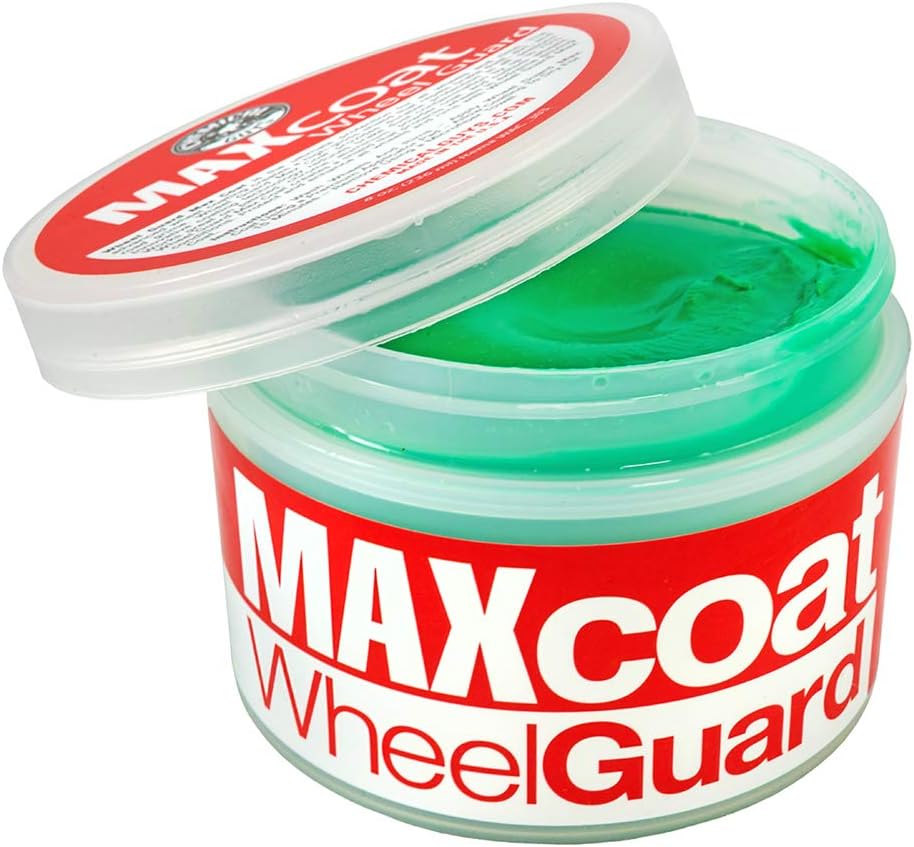 Prop 65
 Griot's Garage Leather 3-in-1 SprayProp 65
leather-care
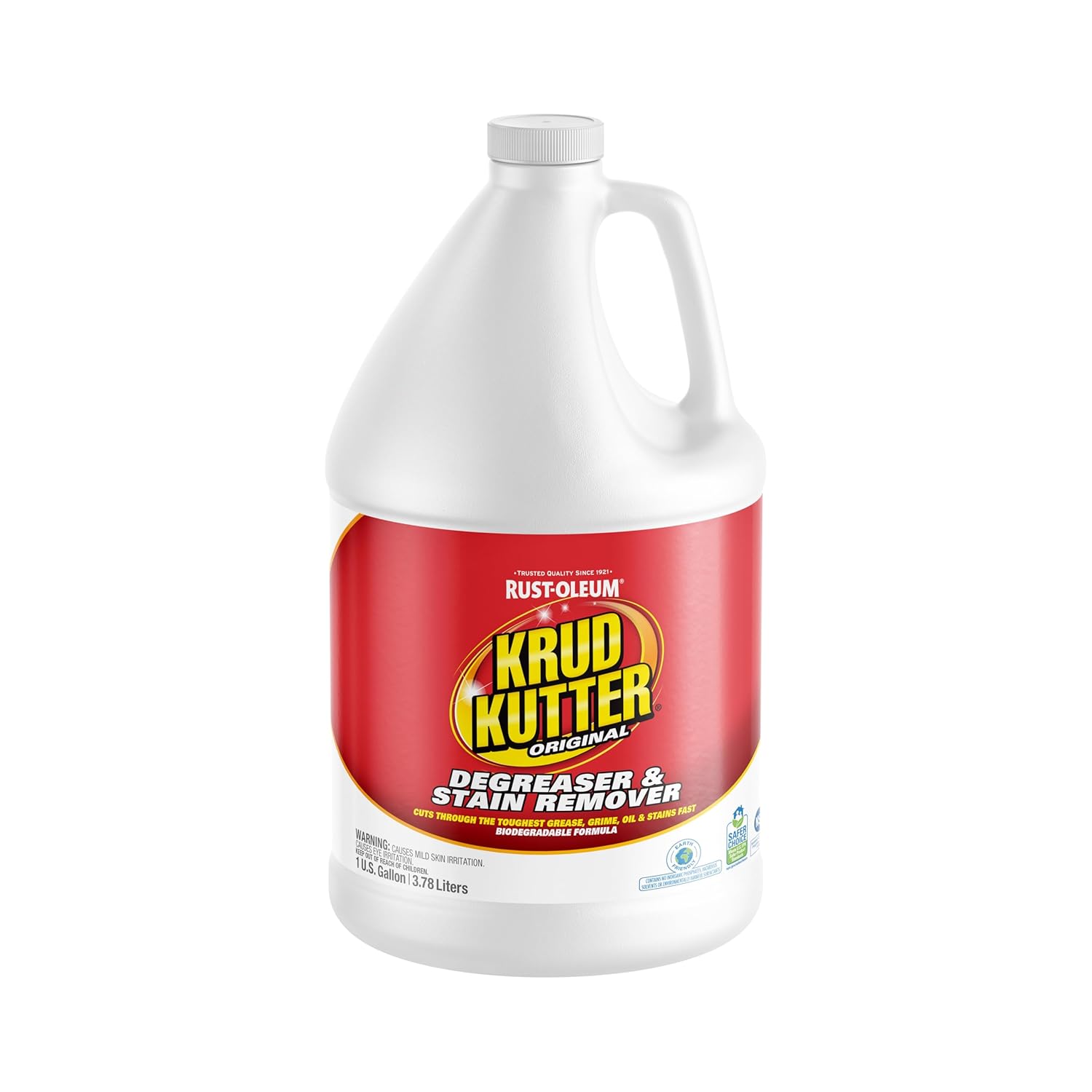 Krud Kutter Original Concentrated Cleaner/Degreaser
engine-degreaser
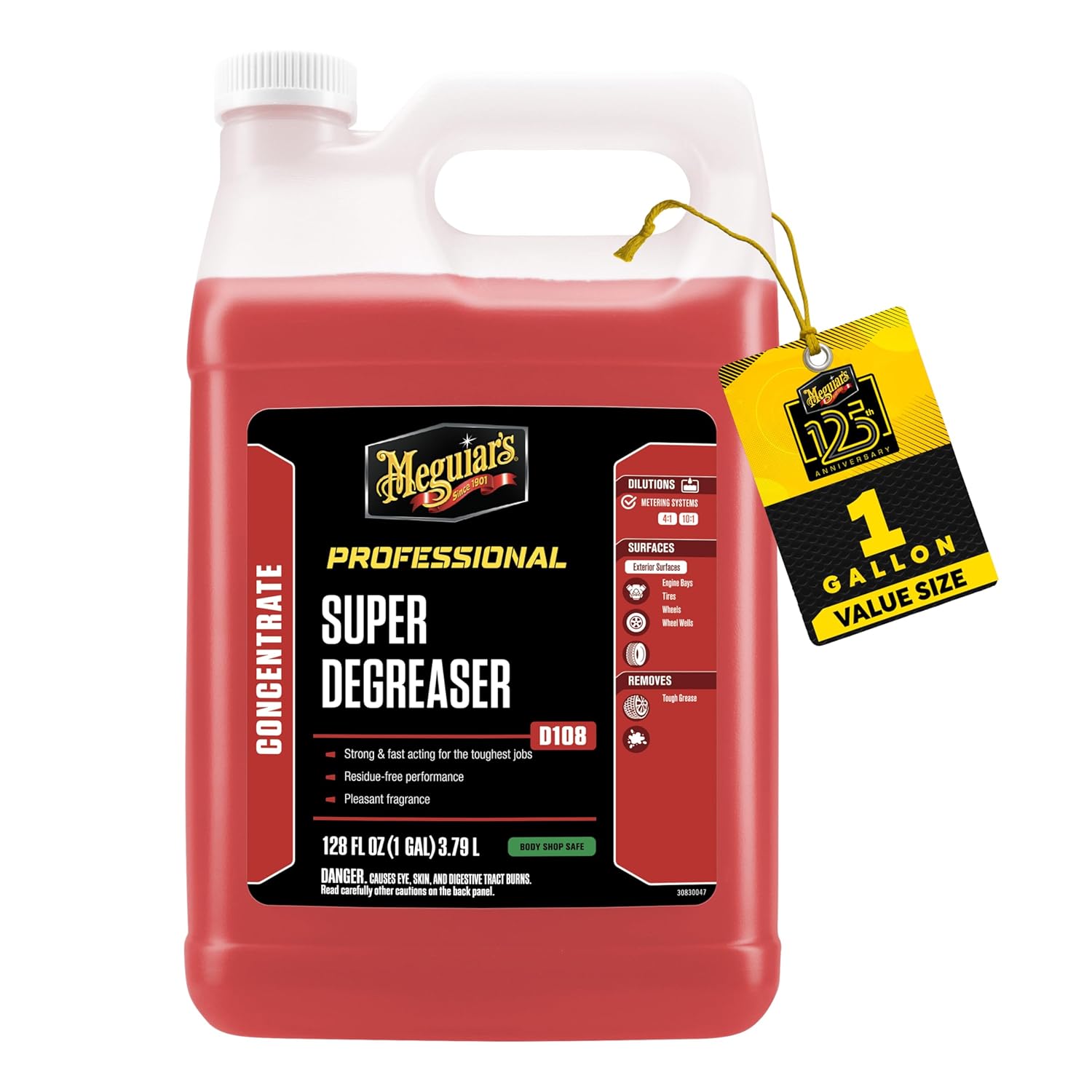 Meguiar's Super DegreaserProp 65
engine-degreaser
 Mothers Professional All-Purpose Cleaner
all-purpose-cleaner
 Prop 65
 Zep Heavy-Duty Citrus Degreaser & CleanerProp 65
engine-degreaser
Related
Health and environment notes translate the manufacturer Safety Data Sheet, the GHS classification, and authoritative regulatory listings (California Prop 65, EPA). Not medical advice. They describe the ingredient itself; whether a hazard applies to a finished product depends on its concentration and how it's used.