
Petroleum Naphtha
- Aliphatic solvents
- CAS 8032-32-4
- IUPAC: Petroleum distillates (light)
Petroleum Naphtha (CAS 8032-32-4) appears in 8 of the 2,122 car-care products CarCareTruth tracks (as of August 2026). It is classified as a VOC.
Moderate inhalation hazard — CNS depressant, mucous membrane irritant. Degreases skin on contact. Flammable. Use with ventilation.
Petroleum naphtha is the traditional solvent in paste waxes, tar removers, and adhesive removers. It dissolves petroleum-based contaminants (tar, asphalt, adhesive residue) effectively because "like dissolves like."
Health profile requires attention: VOC content is high, it's flammable, and sustained inhalation causes dizziness and headache. Use outdoors or with open-garage ventilation. Not something to spray in an enclosed space. Products with naphtha will always carry a WARNING or DANGER signal word.
Environmentally, naphtha is moderately aquatic-toxic before it evaporates. Keep runoff out of storm drains. Biodegrades in soil over weeks.
Health & environment profile
- VOC
- yes
- Prop 65 listed
- no
- Asthmagen
- no
- EPA Safer Choice
- no
- Aquatic toxicity
- yes
- Biodegradable
- yes
- Bioaccumulative
- no
- Persistent
- no
- Ozone depleting
- no
- Microplastic
- no
- PFAS
- no
- Env. score
- 2/5
Common questions about Petroleum Naphtha
- What is Petroleum Naphtha used for in car care?
- Wax/tar solvent carrier
- Is Petroleum Naphtha a VOC?
- Yes. Petroleum Naphtha is classified as a volatile organic compound (VOC).
- Is Petroleum Naphtha on California's Proposition 65 list?
- No. Petroleum Naphtha is not on California's Proposition 65 list.
- Is Petroleum Naphtha biodegradable?
- Yes. Petroleum Naphtha has a confirmed biodegradable profile.
8 products contain this
 303 Products 303 Fabric Guard (32 oz)Prop 65
fabric-protectant
 Adam's Polishes Paint Finishing Polish (Step 2)
finishing-polish
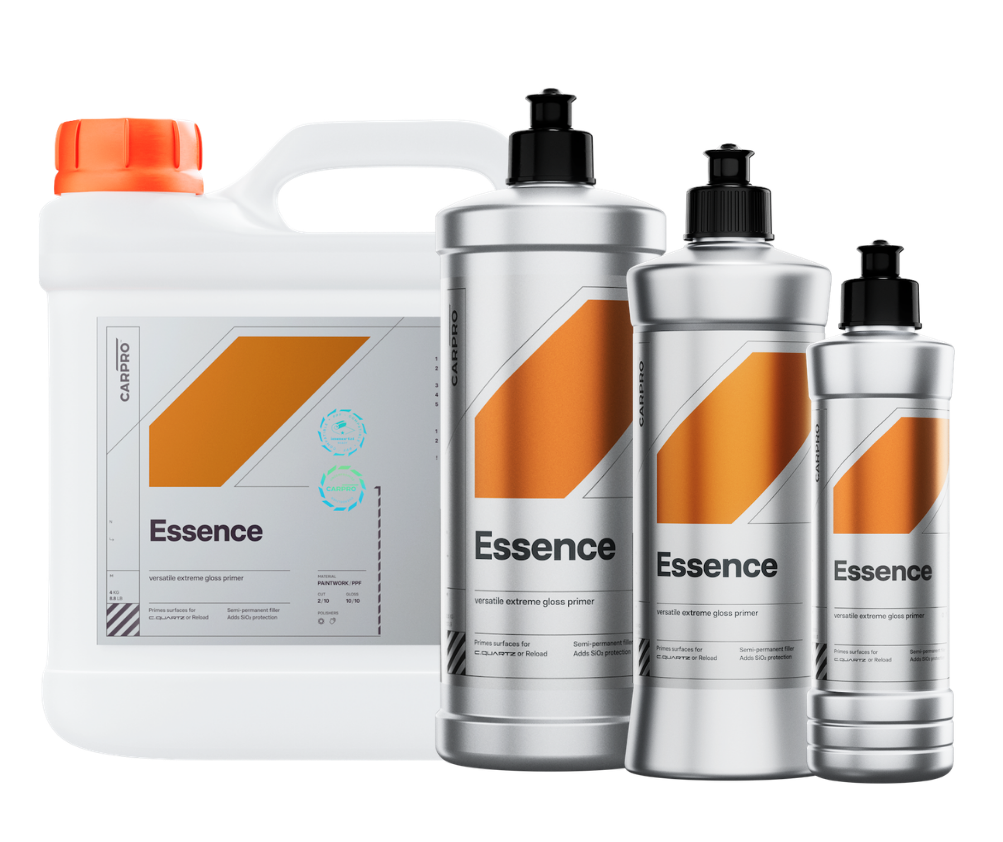
 CarPro Reflect High Gloss Finishing Polish
finishing-polish
 CRC 05046 Battery Terminal ProtectorProp 65
battery-terminal-cleaner
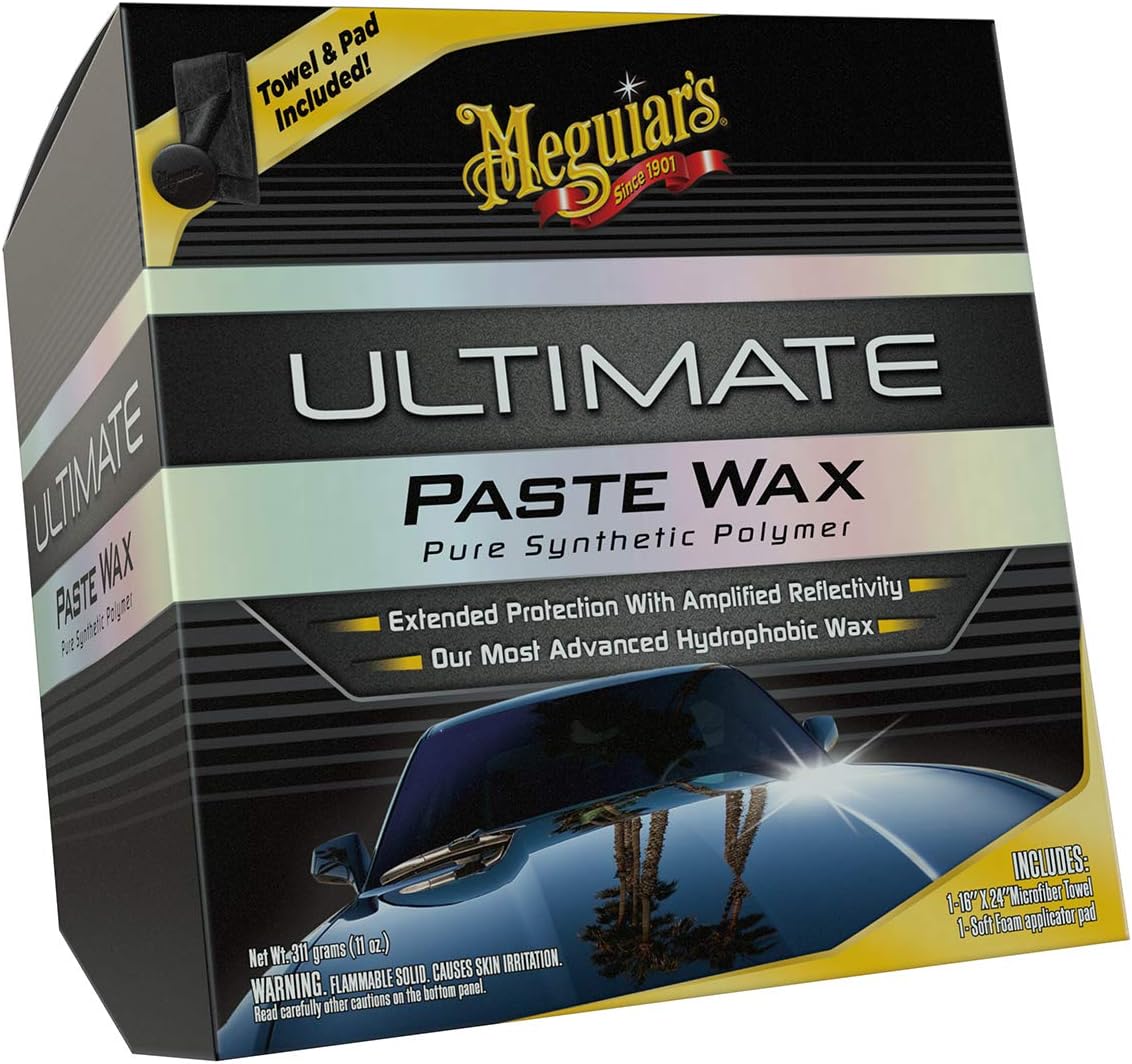 Meguiar's Ultimate Paste WaxProp 65
paste-wax
 Prop 65
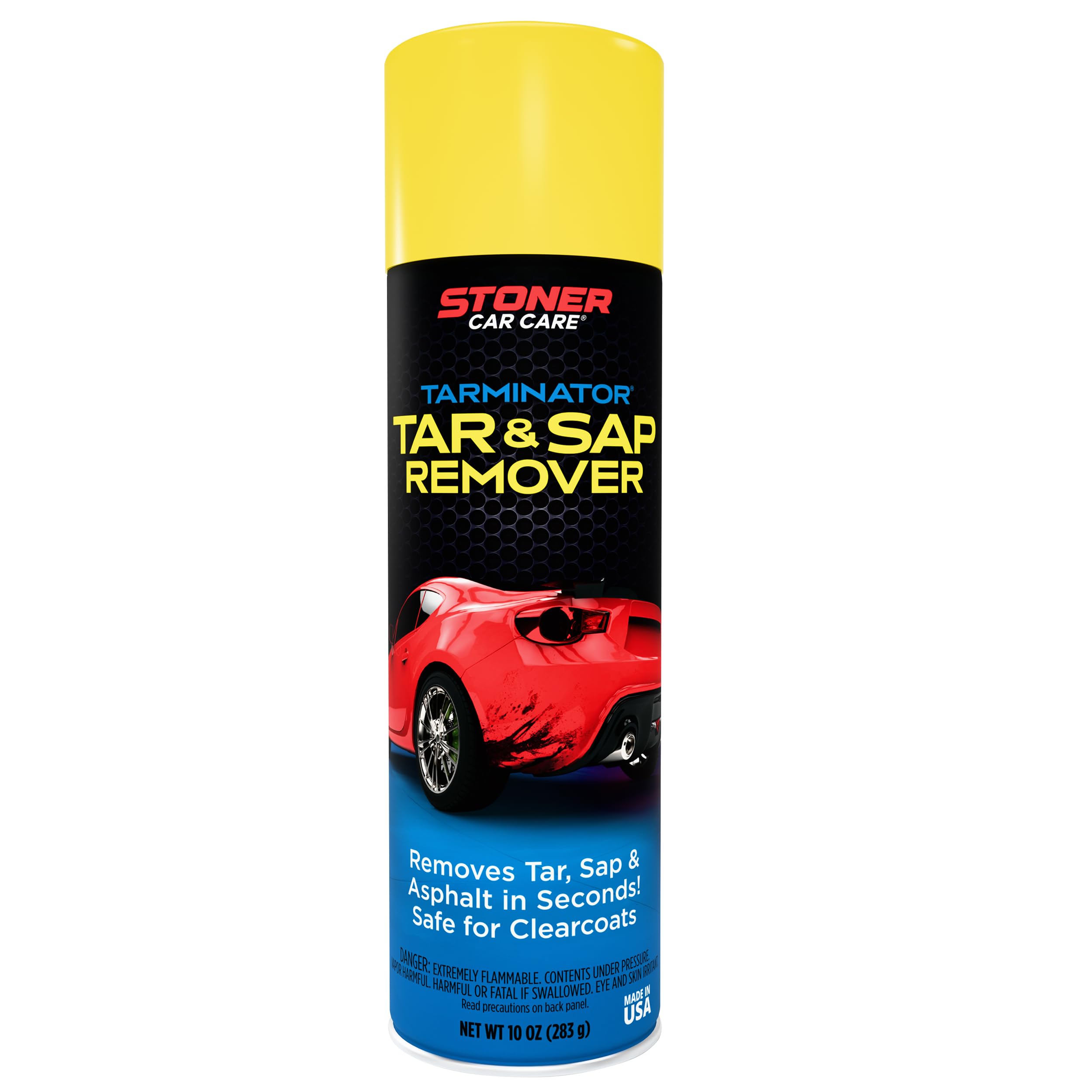 Stoner Tarminator Tar, Sap, and Asphalt RemoverProp 65
bug-tar-remover
Related
Health and environment notes translate the manufacturer Safety Data Sheet, the GHS classification, and authoritative regulatory listings (California Prop 65, EPA). Not medical advice. They describe the ingredient itself; whether a hazard applies to a finished product depends on its concentration and how it's used.