
Isotridecyl Alcohol Ethoxylate
- Nonionic surfactants
- CAS 9043-30-5
- IUPAC: Poly(oxy-1,2-ethanediyl), α-isotridecyl-ω-hydroxy-
Isotridecyl Alcohol Ethoxylate (CAS 9043-30-5) appears in 1 of the 2,122 car-care products CarCareTruth tracks (as of August 2026). It is readily biodegradable.
Nonionic surfactant used as an emulsifier. At product concentrations (1–3%), not classified as a skin sensitizer or systemic hazard. May contribute to eye irritation at higher concentrations.
Isotridecyl alcohol ethoxylate is a nonionic surfactant used as an emulsifier in leather conditioners, leather treatments, and similar aqueous emulsion products. It helps keep conditioning actives (mineral oil, oleic acid, silicones) uniformly suspended in the water carrier.
At the 1–3% concentrations typical in leather care products, it presents minimal hazard. At undiluted ingredient strength, it may cause eye and skin irritation, but product-level classification is driven by other ingredients rather than this surfactant.
Health & environment profile
- VOC
- no
- Prop 65 listed
- no
- Asthmagen
- no
- EPA Safer Choice
- no
- Aquatic toxicity
- yes
- Biodegradable
- yes
- Bioaccumulative
- no
- Persistent
- no
- Ozone depleting
- no
- Microplastic
- no
- PFAS
- no
- Env. score
- 3/5
Common questions about Isotridecyl Alcohol Ethoxylate
- What is Isotridecyl Alcohol Ethoxylate used for in car care?
- Nonionic surfactant; emulsifier for leather conditioner actives
- Is Isotridecyl Alcohol Ethoxylate a VOC?
- No. Isotridecyl Alcohol Ethoxylate is not classified as a volatile organic compound (VOC).
- Is Isotridecyl Alcohol Ethoxylate on California's Proposition 65 list?
- No. Isotridecyl Alcohol Ethoxylate is not on California's Proposition 65 list.
- Is Isotridecyl Alcohol Ethoxylate biodegradable?
- Yes. Isotridecyl Alcohol Ethoxylate has a confirmed biodegradable profile.
1 product contain this
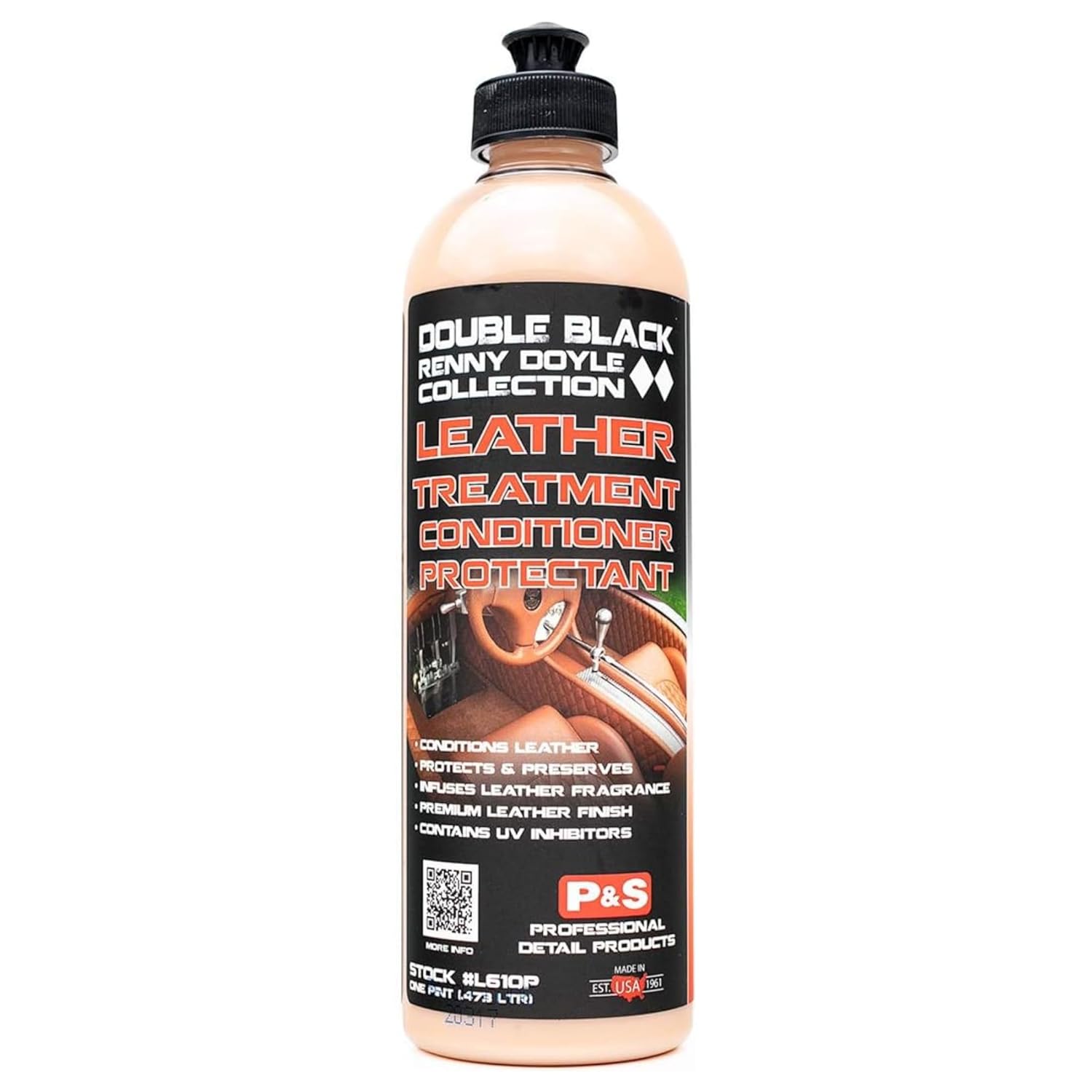 P&S Detail Products Premium Leather Conditioner & Protectant
leather-conditioner
Related
Health and environment notes translate the manufacturer Safety Data Sheet, the GHS classification, and authoritative regulatory listings (California Prop 65, EPA). Not medical advice. They describe the ingredient itself; whether a hazard applies to a finished product depends on its concentration and how it's used.