
Hercolyn D (Methyl Ester of Hydrogenated Rosin)
- Esters
- CAS 8050-15-5
Hercolyn D (Methyl Ester of Hydrogenated Rosin) (CAS 8050-15-5) appears in 1 of the 2,122 car-care products CarCareTruth tracks (as of August 2026).
Low acute toxicity. Used as a plasticizer and diluent in polymer systems. No GHS hazard classification at product-use concentrations. Possible skin sensitization in sensitized individuals with rosin allergy, but not classified H317 at mixture level in this product.
Hercolyn D is the methyl ester of hydrogenated rosin (CAS 8050-15-5), a pine-derived chemical used as a diluent and plasticizer in polymer emulsions and coatings. It improves film flexibility and adhesion of acrylic polymer systems. At typical use concentrations in leather care gels it does not trigger GHS hazard classifications. Individuals with known rosin (colophony) allergies should be aware of its presence.
Health & environment profile
- VOC
- no
- Prop 65 listed
- no
- Asthmagen
- no
- EPA Safer Choice
- no
- Aquatic toxicity
- no
- Biodegradable
- no
- Bioaccumulative
- no
- Persistent
- no
- Ozone depleting
- no
- Microplastic
- no
- PFAS
- no
- Env. score
- 5/5
Common questions about Hercolyn D (Methyl Ester of Hydrogenated Rosin)
- What is Hercolyn D (Methyl Ester of Hydrogenated Rosin) used for in car care?
- Diluent / plasticizer; derived from pine rosin hydrogenation
- Is Hercolyn D (Methyl Ester of Hydrogenated Rosin) a VOC?
- No. Hercolyn D (Methyl Ester of Hydrogenated Rosin) is not classified as a volatile organic compound (VOC).
- Is Hercolyn D (Methyl Ester of Hydrogenated Rosin) on California's Proposition 65 list?
- No. Hercolyn D (Methyl Ester of Hydrogenated Rosin) is not on California's Proposition 65 list.
1 product contain this
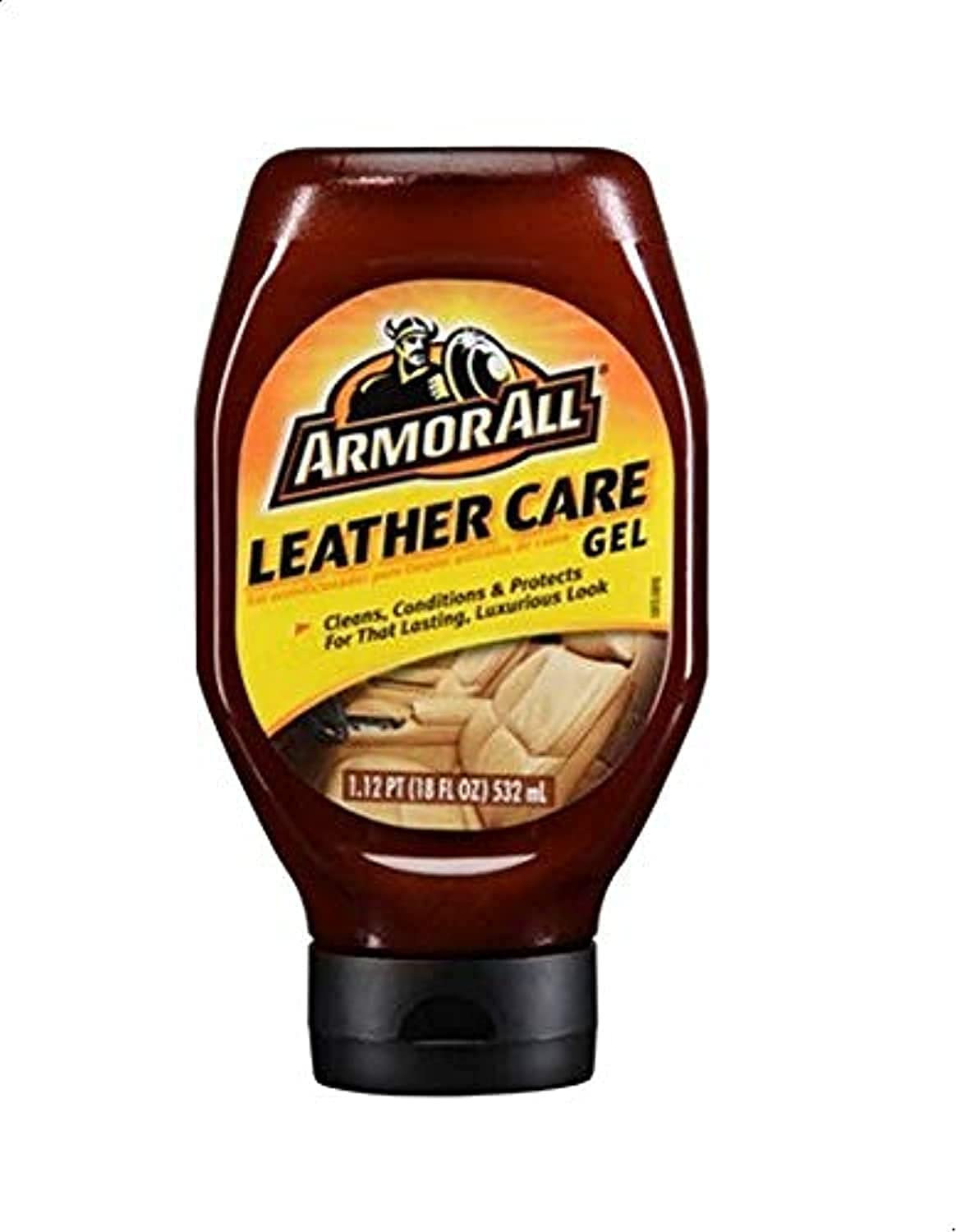 Armor All Leather Care GelProp 65
leather-care
Related
Health and environment notes translate the manufacturer Safety Data Sheet, the GHS classification, and authoritative regulatory listings (California Prop 65, EPA). Not medical advice. They describe the ingredient itself; whether a hazard applies to a finished product depends on its concentration and how it's used.