
Dipropylene Glycol (DPG)
- Humectants
- CAS 25265-71-8
- IUPAC: 1,1'-oxydipropan-2-ol (mixture of isomers)
Dipropylene Glycol (DPG) (CAS 25265-71-8) appears in 3 of the 2,122 car-care products CarCareTruth tracks (as of August 2026). It is readily biodegradable.
Low toxicity glycol. Not classified as a health hazard under GHS at typical use concentrations. Widely used as a fragrance carrier and co-solvent in personal care, household, and cleaning products. No significant skin, eye, or inhalation hazard at concentrations found in cleaning formulations.
Dipropylene glycol (DPG) is a colorless, practically odorless glycol used primarily as a fragrance carrier and co-solvent in cleaning and personal care products. It improves fragrance dispersion and product shelf stability. At trace concentrations in carpet cleaning formulations, no significant health or environmental hazard is expected. Readily biodegradable and not classified as aquatically toxic.
Health & environment profile
- VOC
- no
- Prop 65 listed
- no
- Asthmagen
- no
- EPA Safer Choice
- no
- Aquatic toxicity
- no
- Biodegradable
- yes
- Bioaccumulative
- no
- Persistent
- no
- Ozone depleting
- no
- Microplastic
- no
- PFAS
- no
- Env. score
- 5/5
Common questions about Dipropylene Glycol (DPG)
- What is Dipropylene Glycol (DPG) used for in car care?
- Fragrance carrier and co-solvent — improves fragrance dispersion and product stability
- Is Dipropylene Glycol (DPG) a VOC?
- No. Dipropylene Glycol (DPG) is not classified as a volatile organic compound (VOC).
- Is Dipropylene Glycol (DPG) on California's Proposition 65 list?
- No. Dipropylene Glycol (DPG) is not on California's Proposition 65 list.
- Is Dipropylene Glycol (DPG) biodegradable?
- Yes. Dipropylene Glycol (DPG) has a confirmed biodegradable profile.
3 products contain this
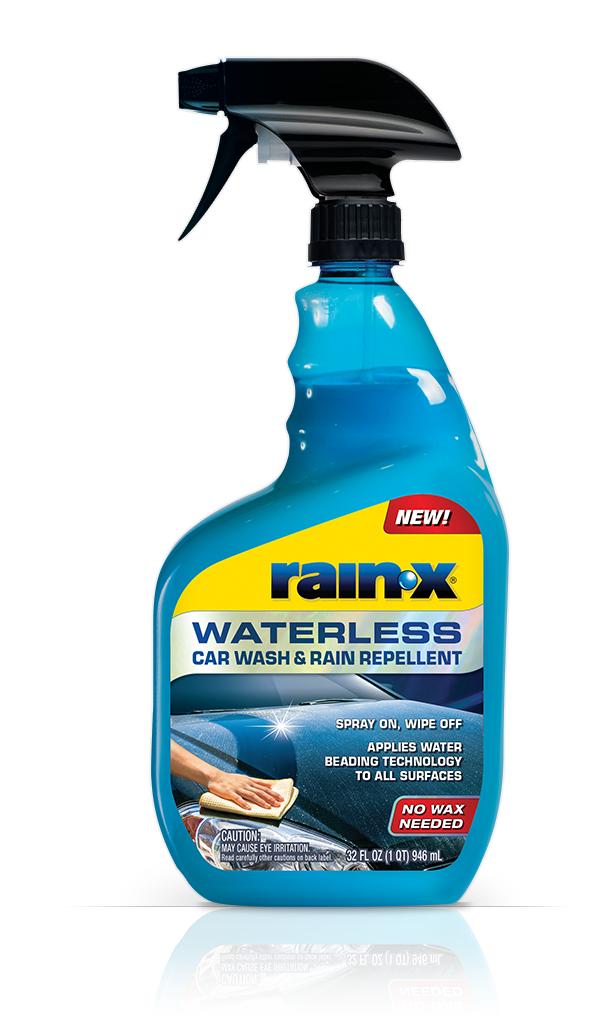 Rain-X Waterless Car Wash & Rain Repellent
waterless-wash
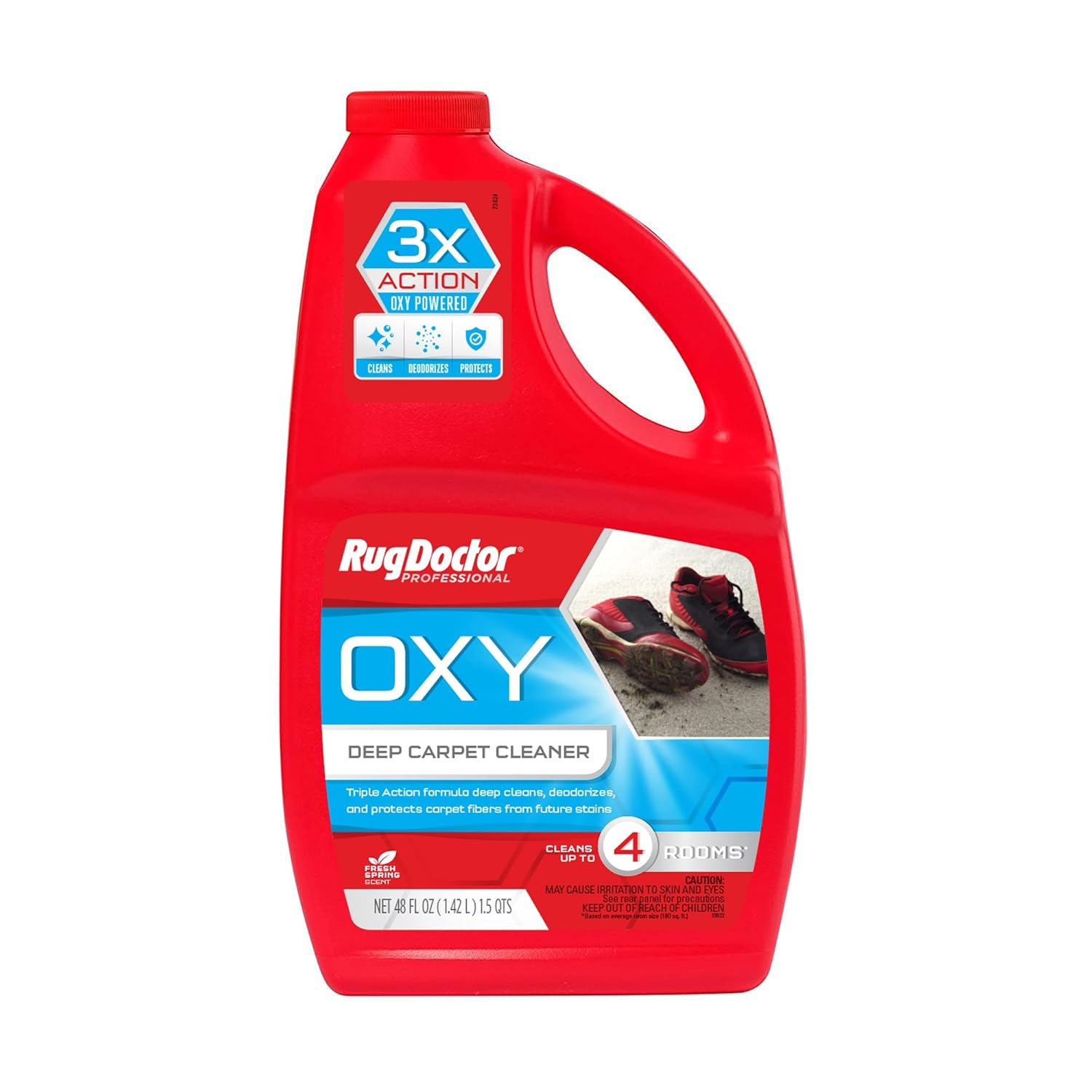 Rug Doctor Triple Action Oxy Deep Carpet Cleaner
extractor-solution
 Turtle Wax Spot Clean Stain & Odor RemoverProp 65
fabric-upholstery-cleaner
Related
Health and environment notes translate the manufacturer Safety Data Sheet, the GHS classification, and authoritative regulatory listings (California Prop 65, EPA). Not medical advice. They describe the ingredient itself; whether a hazard applies to a finished product depends on its concentration and how it's used.