
Cyclotetrasiloxane (D4)
- Silicones
- CAS 556-67-2
- IUPAC: 2,4,6,8-Tetramethyl-1,3,5,7,2,4,6,8-tetraoxatetrasiloctane
Cyclotetrasiloxane (D4) (CAS 556-67-2) appears in 1 of the 2,122 car-care products CarCareTruth tracks (as of August 2026). It is classified as a VOC.
Low acute toxicity at consumer product concentrations. Classified as an endocrine disruptor in EU regulatory assessments (reproductive effects in animals at high doses). Relevance to trace consumer exposure is debated. No H334 respiratory sensitization classification.
Cyclotetrasiloxane (D4) is a volatile cyclic silicone used as an evaporating carrier in detailing and personal-care formulations. D4 carries stronger EU regulatory classification than its sibling D5 — it has been an ECHA Substance of Very High Concern (SVHC) since 2018 due to its PBT/vPvB environmental profile and endocrine disruption potential. Restricted to <0.1% in EU wash-off personal care products. US regulatory status remains limited.
Health & environment profile
- VOC
- yes
- Prop 65 listed
- no
- Asthmagen
- no
- EPA Safer Choice
- no
- Aquatic toxicity
- yes
- Biodegradable
- no
- Bioaccumulative
- yes
- Persistent
- yes
- Ozone depleting
- no
- Microplastic
- no
- PFAS
- no
- Env. score
- 1/5
Common questions about Cyclotetrasiloxane (D4)
- What is Cyclotetrasiloxane (D4) used for in car care?
- Volatile cyclic siloxane carrier; evaporates after application leaving a silicone-rich film. Regulatory scrutiny higher than D5 due to stronger PBT/vPvB classification.
- Is Cyclotetrasiloxane (D4) a VOC?
- Yes. Cyclotetrasiloxane (D4) is classified as a volatile organic compound (VOC).
- Is Cyclotetrasiloxane (D4) on California's Proposition 65 list?
- No. Cyclotetrasiloxane (D4) is not on California's Proposition 65 list.
1 product contain this
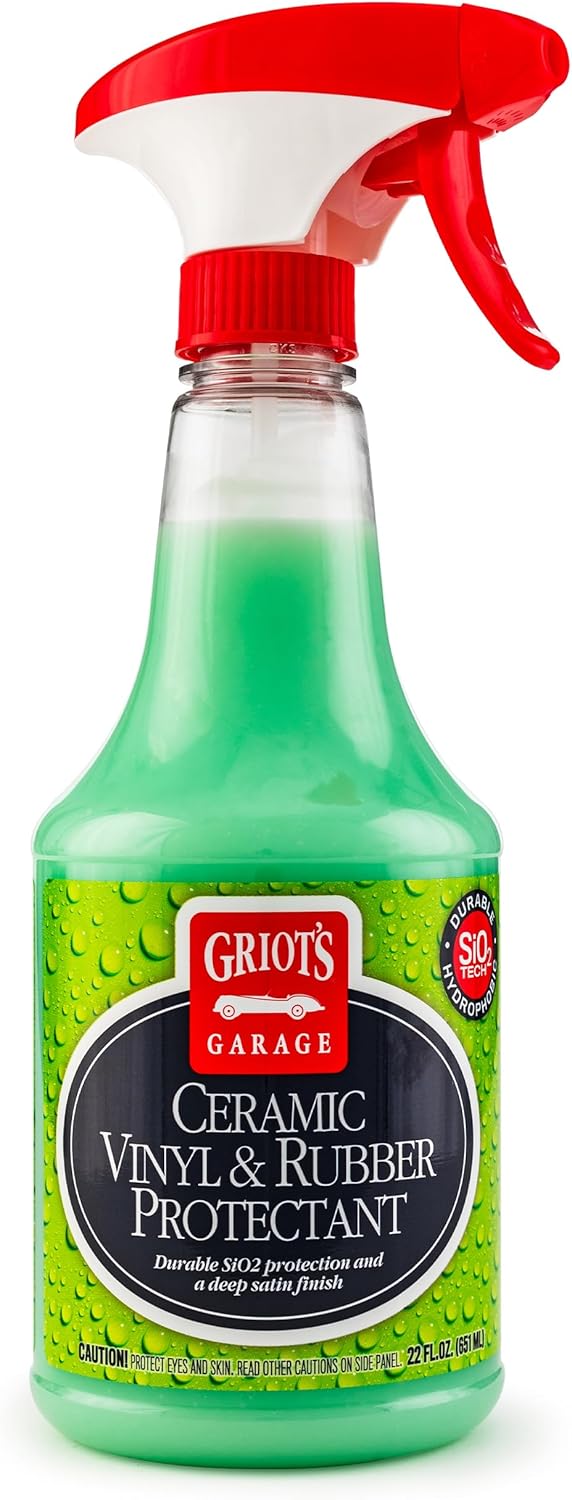 Griot's Garage Ceramic Vinyl and Rubber Protectant
weatherstrip-conditioner
Related
Health and environment notes translate the manufacturer Safety Data Sheet, the GHS classification, and authoritative regulatory listings (California Prop 65, EPA). Not medical advice. They describe the ingredient itself; whether a hazard applies to a finished product depends on its concentration and how it's used.