
Carboxymethylcellulose (CMC)
- Polymers
- CAS 9004-32-4
- IUPAC: Carboxymethyl cellulose sodium salt
Carboxymethylcellulose (CMC) (CAS 9004-32-4) appears in 1 of the 2,122 car-care products CarCareTruth tracks (as of August 2026). It is readily biodegradable.
Essentially non-toxic. Not classified as a hazardous substance under GHS. Widely used in food, pharmaceuticals, and cleaning products. No significant skin, eye, or inhalation hazard at concentrations found in cleaning product formulations.
Carboxymethylcellulose (CMC) is a water-soluble cellulose derivative used as a thickener, stabilizer, and suspending agent in cleaning formulations. In carpet and extractor solutions it helps keep the formula homogeneous and may aid soil suspension during extraction. No significant health or environmental hazard at typical use concentrations.
Health & environment profile
- VOC
- no
- Prop 65 listed
- no
- Asthmagen
- no
- EPA Safer Choice
- no
- Aquatic toxicity
- no
- Biodegradable
- yes
- Bioaccumulative
- no
- Persistent
- no
- Ozone depleting
- no
- Microplastic
- no
- PFAS
- no
- Env. score
- 5/5
Common questions about Carboxymethylcellulose (CMC)
- What is Carboxymethylcellulose (CMC) used for in car care?
- Cellulosic thickener and stabilizer — suspends particles, improves solution viscosity
- Is Carboxymethylcellulose (CMC) a VOC?
- No. Carboxymethylcellulose (CMC) is not classified as a volatile organic compound (VOC).
- Is Carboxymethylcellulose (CMC) on California's Proposition 65 list?
- No. Carboxymethylcellulose (CMC) is not on California's Proposition 65 list.
- Is Carboxymethylcellulose (CMC) biodegradable?
- Yes. Carboxymethylcellulose (CMC) has a confirmed biodegradable profile.
1 product contain this
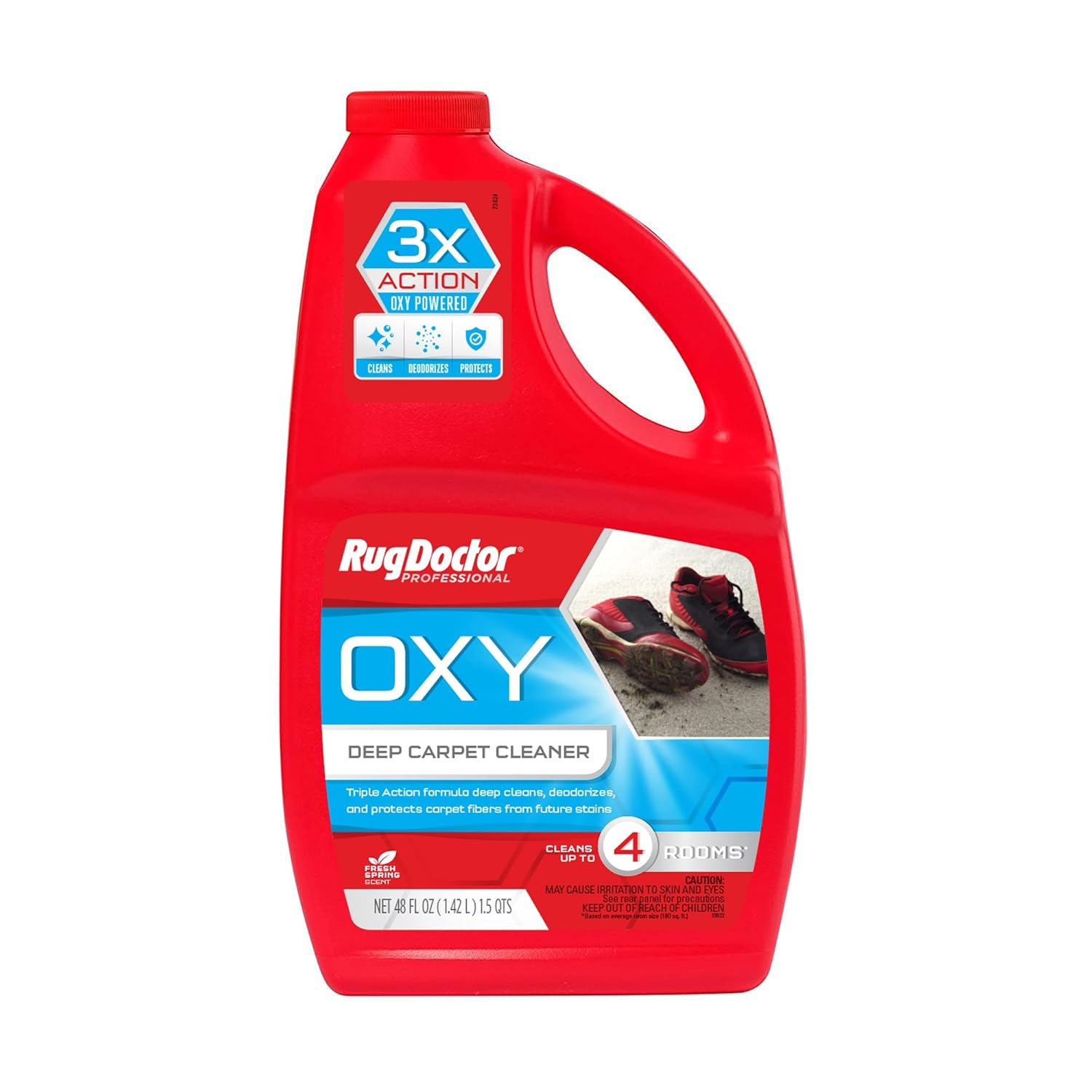 Rug Doctor Triple Action Oxy Deep Carpet Cleaner
extractor-solution
Related
Health and environment notes translate the manufacturer Safety Data Sheet, the GHS classification, and authoritative regulatory listings (California Prop 65, EPA). Not medical advice. They describe the ingredient itself; whether a hazard applies to a finished product depends on its concentration and how it's used.