
Benzotriazole UV Absorber
- UV stabilizers
- CAS 2440-22-4
Benzotriazole UV Absorber (CAS 2440-22-4) appears in 5 of the 2,122 car-care products CarCareTruth tracks (as of August 2026).
Low toxicity UV stabilizer. Used in sunscreens, plastics, and automotive coatings. No acute health hazards at car-care concentrations.
Benzotriazole derivatives are industrial UV absorbers that convert harmful UV radiation into harmless heat. They're the same technology used in automotive clear coats, sunscreens, and plastic products to prevent UV-induced degradation.
In car care products like 303 Aerospace Protectant, they provide molecular-level UV blocking that prevents plastic and rubber from fading, cracking, and becoming brittle. More effective than simple silicone-only approaches because they address the root cause (photon absorption) rather than just physical shielding.
Health & environment profile
- VOC
- no
- Prop 65 listed
- no
- Asthmagen
- no
- EPA Safer Choice
- no
- Aquatic toxicity
- no
- Biodegradable
- no
- Bioaccumulative
- no
- Persistent
- yes
- Ozone depleting
- no
- Microplastic
- no
- PFAS
- no
- Env. score
- 3/5
Common questions about Benzotriazole UV Absorber
- What is Benzotriazole UV Absorber used for in car care?
- UV radiation absorber (prevents fading and degradation)
- Is Benzotriazole UV Absorber a VOC?
- No. Benzotriazole UV Absorber is not classified as a volatile organic compound (VOC).
- Is Benzotriazole UV Absorber on California's Proposition 65 list?
- No. Benzotriazole UV Absorber is not on California's Proposition 65 list.
5 products contain this
 Adam's Polishes All Purpose Dressing
engine-bay-dressing
 Griot's Garage Interior DetailerProp 65
interior-detailer
 Griot's Garage Leather 3-in-1 SprayProp 65
leather-care
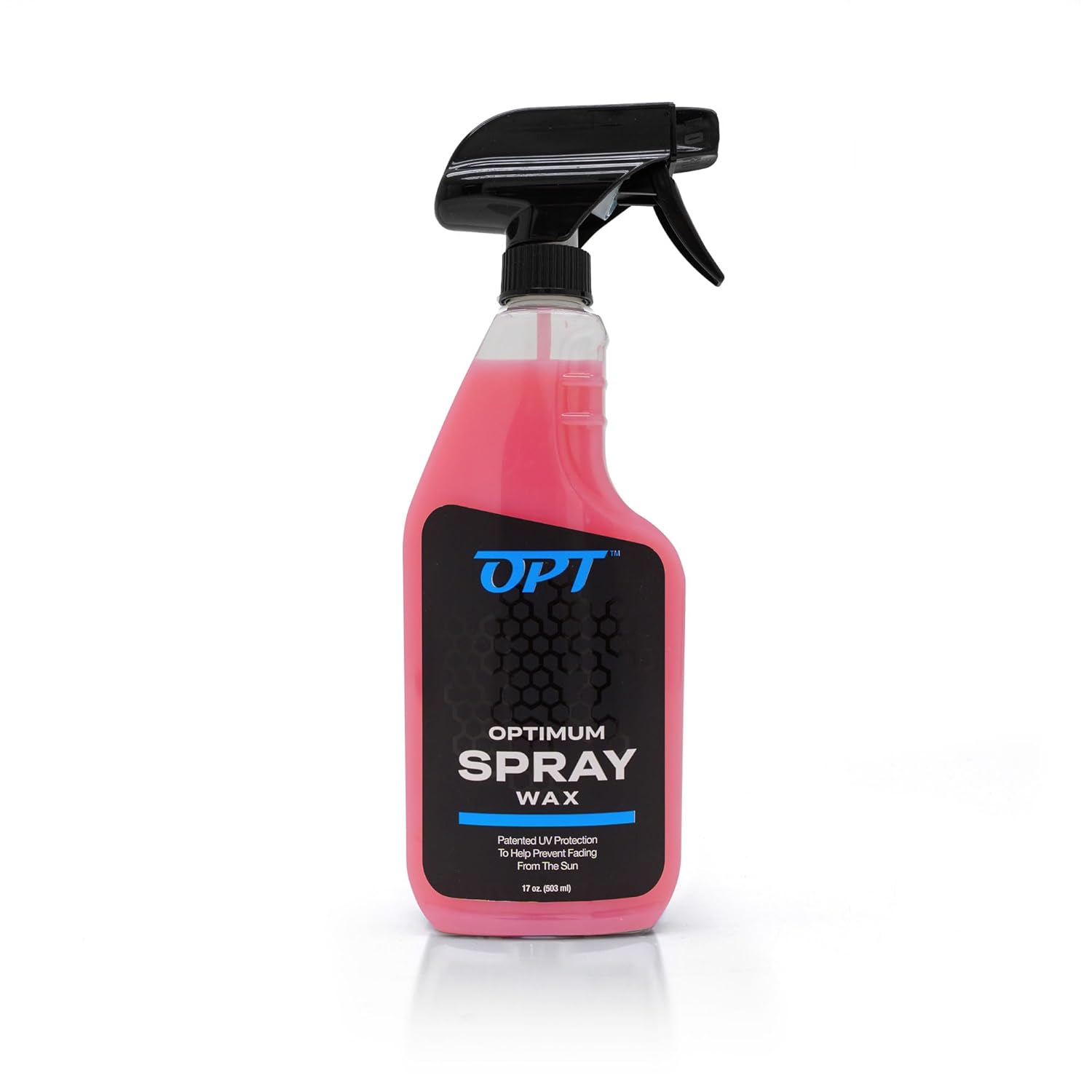 Optimum Car Wax
spray-wax
 Slick Products Shine & Protectant SprayProp 65
exterior-dressing
Related
Health and environment notes translate the manufacturer Safety Data Sheet, the GHS classification, and authoritative regulatory listings (California Prop 65, EPA). Not medical advice. They describe the ingredient itself; whether a hazard applies to a finished product depends on its concentration and how it's used.