
Alumanoylol (proprietary mild abrasive)
- Abrasives
Alumanoylol (proprietary mild abrasive) appears in 1 of the 2,122 car-care products CarCareTruth tracks (as of August 2026).
Without species-level chemistry, health profile is uncertain. Aluminum-oxide-class abrasives are generally low-toxicity in finished liquid products; dry-powder inhalation of fine fractions can be irritating. Skin and eye contact during normal use poses minimal risk.
'Alumanoylol' is a brand-disclosed name used by Griot's Garage in their California Right-to-Know filings for the abrasive component of the Ceramic All-In-One Wax. The exact chemistry is not publicly disclosed; based on naming convention and behavior, it is likely a form of alumina (aluminum oxide) optimized for fine-particle abrasive use.
Health & environment profile
- VOC
- no
- Prop 65 listed
- no
- Asthmagen
- no
- EPA Safer Choice
- no
- Aquatic toxicity
- no
- Biodegradable
- no
- Bioaccumulative
- no
- Persistent
- yes
- Ozone depleting
- no
- Microplastic
- no
- PFAS
- no
- Env. score
- 3/5
Common questions about Alumanoylol (proprietary mild abrasive)
- What is Alumanoylol (proprietary mild abrasive) used for in car care?
- Proprietary aluminum-based mineral abrasive; disclosed by Griot's Garage in California Right-to-Know filings as the abrasive component in their Ceramic All-In-One Wax. Likely an alumina (aluminum oxide) variant
- Is Alumanoylol (proprietary mild abrasive) a VOC?
- No. Alumanoylol (proprietary mild abrasive) is not classified as a volatile organic compound (VOC).
- Is Alumanoylol (proprietary mild abrasive) on California's Proposition 65 list?
- No. Alumanoylol (proprietary mild abrasive) is not on California's Proposition 65 list.
1 product contain this
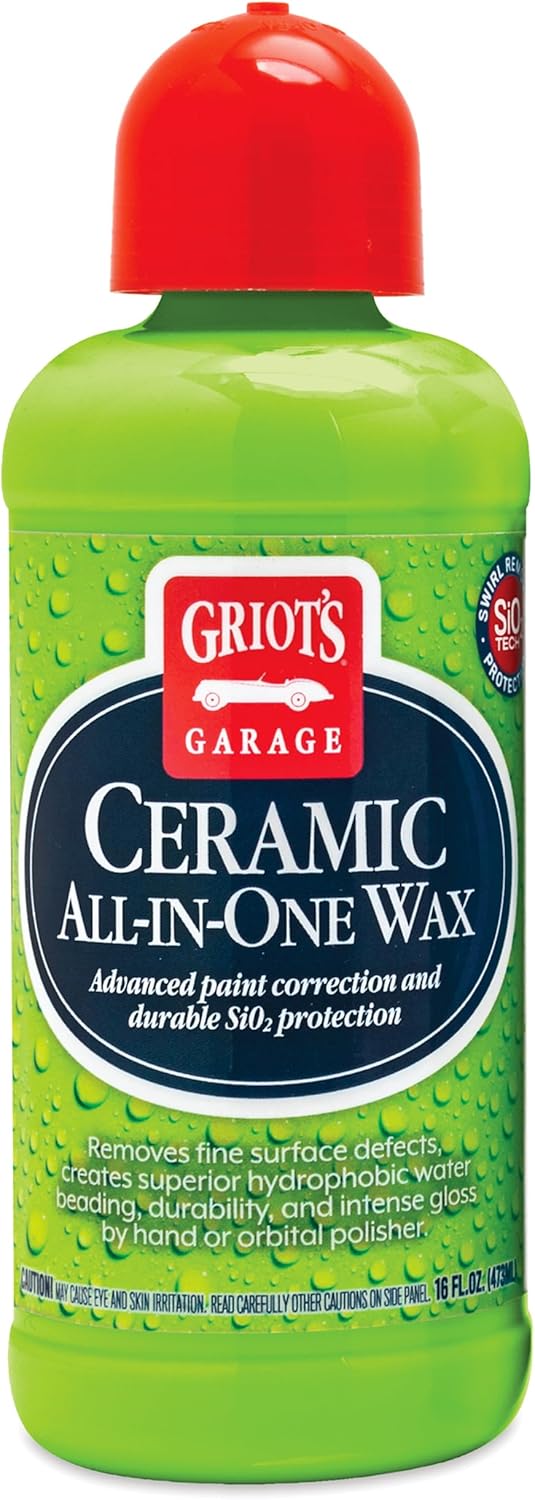 Griot's Garage Ceramic All-In-One Wax
all-in-one-wax
Related
Health and environment notes translate the manufacturer Safety Data Sheet, the GHS classification, and authoritative regulatory listings (California Prop 65, EPA). Not medical advice. They describe the ingredient itself; whether a hazard applies to a finished product depends on its concentration and how it's used.