
Alkenyl Dicarboxylamide
- Esters
Alkenyl Dicarboxylamide appears in 1 of the 2,179 car-care products CarCareTruth tracks (as of August 2026).
Not classified as hazardous per SDS Section 3 (does not appear in the hazardous-components table); listed only for New Jersey Right-to-Know disclosure purposes at 1-5% by weight.
Alkenyl dicarboxylamide is an ashless (metal-free) dispersant additive of the succinimide-type family common in automatic transmission fluid and engine oil formulations, where it keeps oxidation byproducts and sludge suspended rather than depositing on metal surfaces. It carries no GHS hazard classification in the source SDS and is disclosed only because New Jersey's state Right-to-Know program requires listing all components regardless of hazard status.
Health & environment profile
- VOC
- no
- Prop 65 listed
- no
- Asthmagen
- no
- EPA Safer Choice
- no
- Aquatic toxicity
- no
- Biodegradable
- no
- Bioaccumulative
- no
- Persistent
- no
- Ozone depleting
- no
- Microplastic
- no
- PFAS
- no
Common questions about Alkenyl Dicarboxylamide
- What is Alkenyl Dicarboxylamide used for in car care?
- Ashless dispersant additive providing sludge and varnish control in automatic transmission fluid; disclosed at 1-5% by weight under New Jersey Right-to-Know reporting, not classified as hazardous per SDS Section 3
- Is Alkenyl Dicarboxylamide a VOC?
- No. Alkenyl Dicarboxylamide is not classified as a volatile organic compound (VOC).
- Is Alkenyl Dicarboxylamide on California's Proposition 65 list?
- No. Alkenyl Dicarboxylamide is not on California's Proposition 65 list.
1 product contain this
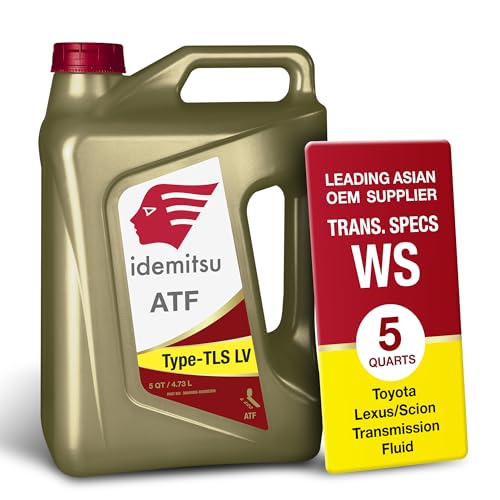 Idemitsu ATF Type TLS-LV (WS) Automatic Transmission Fluid, 5 QtProp 65
transmission-fluid
Related
Health and environment notes translate the manufacturer Safety Data Sheet, the GHS classification, and authoritative regulatory listings (California Prop 65, EPA). Not medical advice. They describe the ingredient itself; whether a hazard applies to a finished product depends on its concentration and how it's used.