
2-Propoxy-1-propanol
- Glycol ether solvents
- CAS 10215-30-2
- IUPAC: 2-propoxypropan-1-ol
2-Propoxy-1-propanol (CAS 10215-30-2) appears in 1 of the 2,122 car-care products CarCareTruth tracks (as of August 2026). It is classified as a VOC.
At substance level this propylene glycol propyl ether isomer is classified H319 (causes serious eye irritation). It is not on California's Prop 65 list and is not classified as a carcinogen, asthmagen, or reproductive toxicant. In car-care products it appears at trace concentrations (≤0.25%) as a minor co-solvent.
2-Propoxy-1-propanol (CAS 10215-30-2) is a glycol ether co-solvent closely related to 1-propoxypropan-2-ol (CAS 1569-01-3) — both are propylene glycol propyl ether isomers differing in hydroxyl position. Used at trace concentrations (≤0.25%) in automotive cleaning formulations. At substance level, classified as Flam. Liq. 3 (H226) and Eye Irrit. 2 (H319). Not classified as an aquatic toxicant. Readily biodegradable. Found as a minor component in professional-grade engine degreasers alongside the more prevalent 1-propoxypropan-2-ol isomer.
Health & environment profile
- VOC
- yes
- Prop 65 listed
- no
- Asthmagen
- no
- EPA Safer Choice
- no
- Aquatic toxicity
- no
- Biodegradable
- yes
- Bioaccumulative
- no
- Persistent
- no
- Ozone depleting
- no
- Microplastic
- no
- PFAS
- no
- Env. score
- 5/5
Common questions about 2-Propoxy-1-propanol
- What is 2-Propoxy-1-propanol used for in car care?
- Glycol ether co-solvent — aids wetting and grease penetration in cleaning formulations
- Is 2-Propoxy-1-propanol a VOC?
- Yes. 2-Propoxy-1-propanol is classified as a volatile organic compound (VOC).
- Is 2-Propoxy-1-propanol on California's Proposition 65 list?
- No. 2-Propoxy-1-propanol is not on California's Proposition 65 list.
- Is 2-Propoxy-1-propanol biodegradable?
- Yes. 2-Propoxy-1-propanol has a confirmed biodegradable profile.
1 product contain this
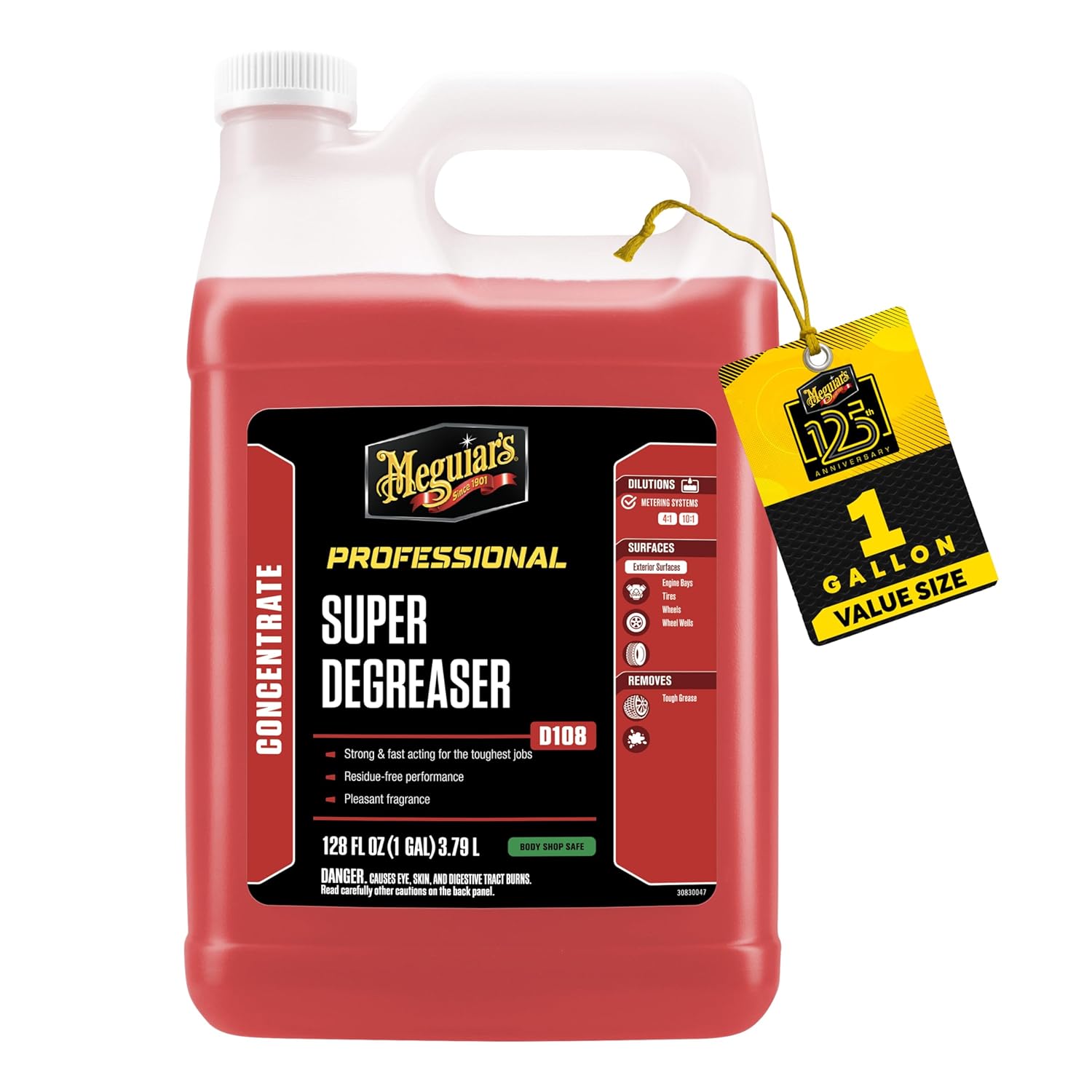 Meguiar's Super DegreaserProp 65
engine-degreaser
Related
Health and environment notes translate the manufacturer Safety Data Sheet, the GHS classification, and authoritative regulatory listings (California Prop 65, EPA). Not medical advice. They describe the ingredient itself; whether a hazard applies to a finished product depends on its concentration and how it's used.