
Ammonium Hydroxide
- Bases
- CAS 1336-21-6
- IUPAC: ammonium hydroxide
Ammonium Hydroxide (CAS 1336-21-6) appears in 7 of the 2,122 car-care products CarCareTruth tracks (as of August 2026). It is readily biodegradable.
Respiratory irritant (H335) at consumer concentrations and eye irritant (H319). At industrial concentrations becomes corrosive (H314). Degrades aftermarket adhesive-backed tint film and hydrophobic glass coatings — the principal compatibility concern in glass-cleaner formulations.
Ammonium hydroxide is the active ingredient that distinguishes "ammonia-based" glass cleaners from "ammonia-free" alternatives. In Windex Original and similar formulations it appears at consumer dilution, where it acts as a surfactant booster and grease-cutter without classifying the mixture as DANGER under GHS. SC Johnson names it in its WhatsInside disclosure but publishes no concentration; professional-channel sheets for the same ready-to-use formula family place it below 0.1%, and the concentrate at 0.1 to 1.5%.
Compatibility concern
Ammonia attacks the adhesive layer of aftermarket window tint film over repeated use and can degrade hydrophobic glass coatings (RainX, ceramic glass coatings). For consumer automotive use, ammonia-free alternatives are preferred when the user has aftermarket tint or treated glass. Factory-embedded tint (the kind built into the glass during manufacturing) is unaffected because there is no adhesive layer.
Why it sometimes doesn't appear in the SDS
At consumer dilution, the ammonia concentration may fall below the GHS classification threshold for the mixture, even though the ingredient is present. SC Johnson's whatsinsidescjohnson.com ingredient disclosure confirms ammonium hydroxide in Windex Original; the corresponding US SDS classifies the mixture as "not hazardous." Both are accurate under their respective regulatory frameworks. For health and surface-compatibility scoring, the ingredient disclosure is the authoritative chemistry signal.
Related: Is Glass Cleaner Toxic? Read the full SDS breakdown of the car glass cleaners this base is the ammonia in.
Health & environment profile
- VOC
- no
- Prop 65 listed
- no
- Asthmagen
- no
- EPA Safer Choice
- no
- Aquatic toxicity
- no
- Biodegradable
- yes
- Bioaccumulative
- no
- Persistent
- no
- Ozone depleting
- no
- Microplastic
- no
- PFAS
- no
- Env. score
- 5/5
Common questions about Ammonium Hydroxide
- What is Ammonium Hydroxide used for in car care?
- Alkaline cleaning agent and pH adjuster — surfactant booster in glass cleaners; commonly called 'ammonia'
- Is Ammonium Hydroxide a VOC?
- No. Ammonium Hydroxide is not classified as a volatile organic compound (VOC).
- Is Ammonium Hydroxide on California's Proposition 65 list?
- No. Ammonium Hydroxide is not on California's Proposition 65 list.
- Is Ammonium Hydroxide biodegradable?
- Yes. Ammonium Hydroxide has a confirmed biodegradable profile.
7 products contain this
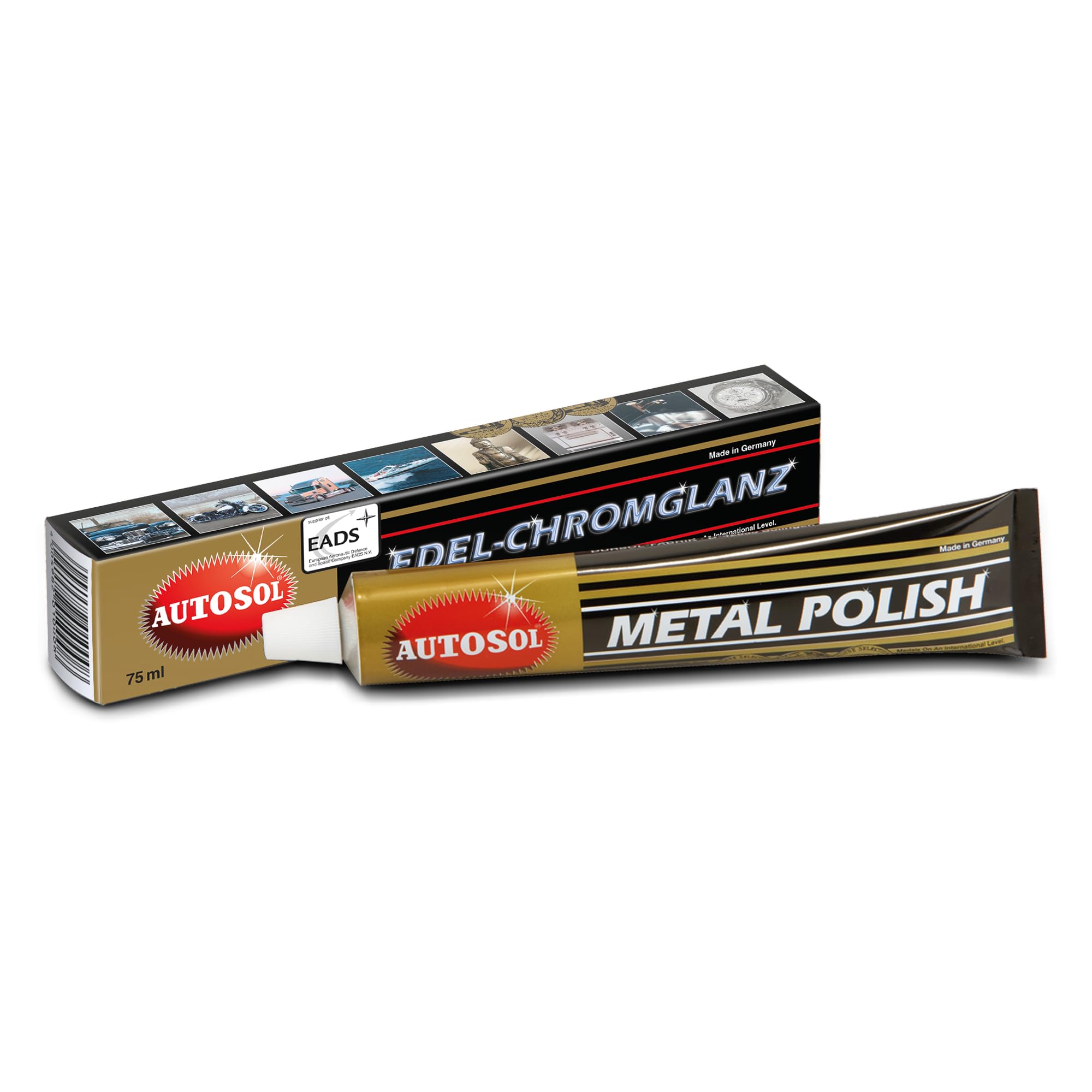 Autosol Metal Polish
chrome-polish
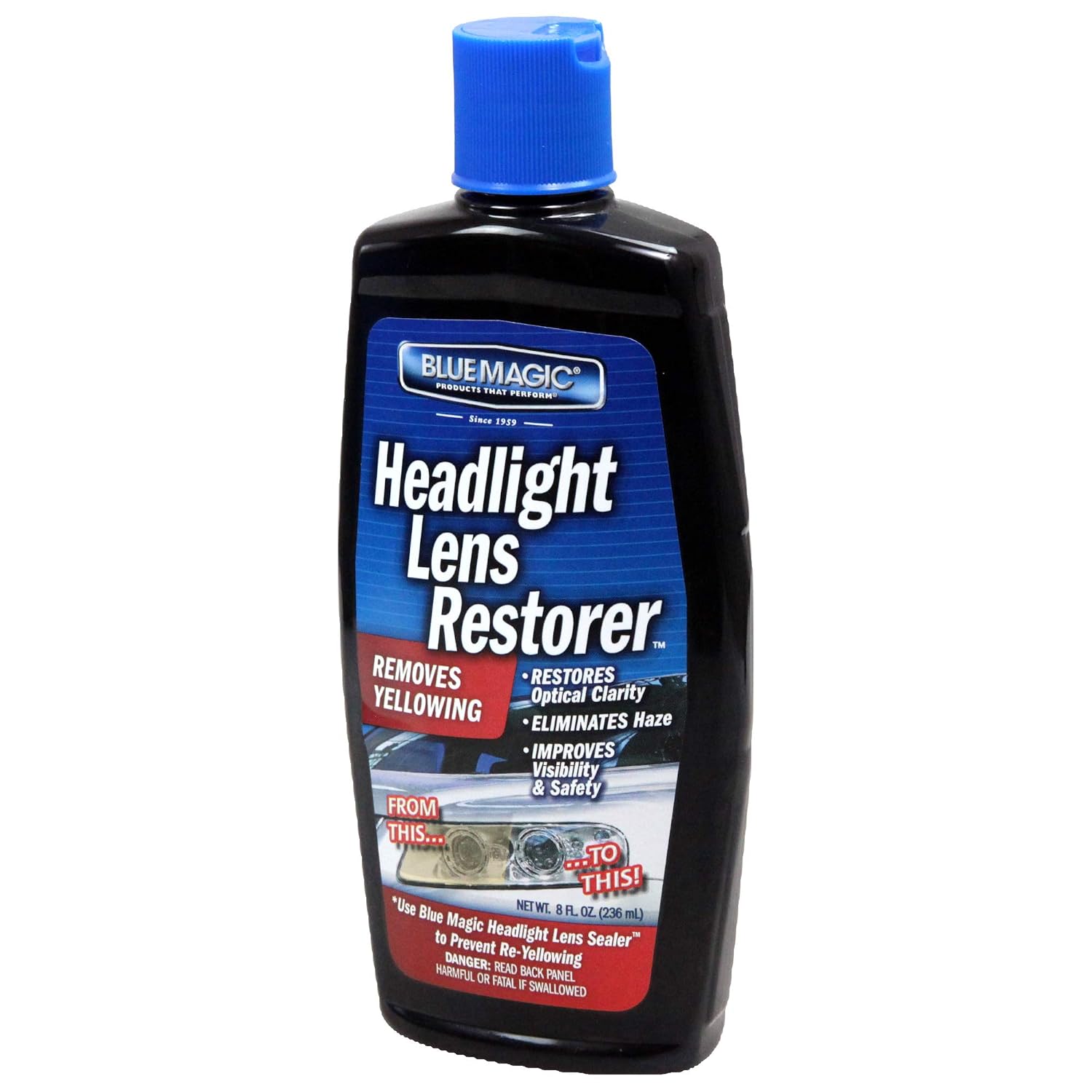 Blue Magic Headlight Lens Restorer
headlight-restoration
 Flitz Multi-Purpose Metal Polish Paste
chrome-polish
 Formula 1 Carnauba Paste Wax (12 oz)
paste-wax
 Meguiar's Ultimate Ceramic Coating Kit
ceramic-coating
 Windex Fast Shine Foam Glass Cleaner
glass-cleaner
 Windex Original Glass Cleaner
glass-cleaner
Related
Health and environment notes translate the manufacturer Safety Data Sheet, the GHS classification, and authoritative regulatory listings (California Prop 65, EPA). Not medical advice. They describe the ingredient itself; whether a hazard applies to a finished product depends on its concentration and how it's used.