
Pentasodium Triphosphate
- Bases
- CAS 7758-29-4
- IUPAC: Pentasodium triphosphate
Pentasodium Triphosphate (CAS 7758-29-4) appears in 5 of the 2,122 car-care products CarCareTruth tracks (as of August 2026). It is readily biodegradable.
Pentasodium triphosphate (STPP) is an inorganic phosphate builder. At substance level the SDS classifies it as a mild eye and respiratory irritant (H319/H335); at typical cleaning concentrations (0.5-3%) it provides only mild alkaline buffering without the corrosive hazard of stronger bases. It is not on California's Prop 65 list and is not classified as a carcinogen, asthmagen, or reproductive toxicant.
Pentasodium triphosphate (also called STPP — sodium tripolyphosphate) is an inorganic phosphate salt widely used as a builder in cleaning formulations. It chelates divalent cations (Ca²⁺, Mg²⁺), preventing hard water interference with surfactants. At typical cleaning concentrations (0.5–3%), it provides mild alkaline buffering without the corrosive hazard of sodium hydroxide. Environmental concern centers on eutrophication: phosphate discharged to waterways promotes algal blooms. Many regions have restricted phosphates in household cleaners for this reason, though automotive cleaning products remain largely unregulated. Hydrolyzes in water to orthophosphate, which is assimilable by organisms (biodegradable). Not classified as aquatically toxic under GHS criteria.
Health & environment profile
- VOC
- no
- Prop 65 listed
- no
- Asthmagen
- no
- EPA Safer Choice
- no
- Aquatic toxicity
- no
- Biodegradable
- yes
- Bioaccumulative
- no
- Persistent
- no
- Ozone depleting
- no
- Microplastic
- no
- PFAS
- no
- Env. score
- 3/5
Common questions about Pentasodium Triphosphate
- What is Pentasodium Triphosphate used for in car care?
- Builder / sequestrant — chelates hard water minerals (calcium, magnesium) to enhance surfactant effectiveness; provides mild alkaline buffering (pH 9–10 at 1% concentration)
- Is Pentasodium Triphosphate a VOC?
- No. Pentasodium Triphosphate is not classified as a volatile organic compound (VOC).
- Is Pentasodium Triphosphate on California's Proposition 65 list?
- No. Pentasodium Triphosphate is not on California's Proposition 65 list.
- Is Pentasodium Triphosphate biodegradable?
- Yes. Pentasodium Triphosphate has a confirmed biodegradable profile.
5 products contain this
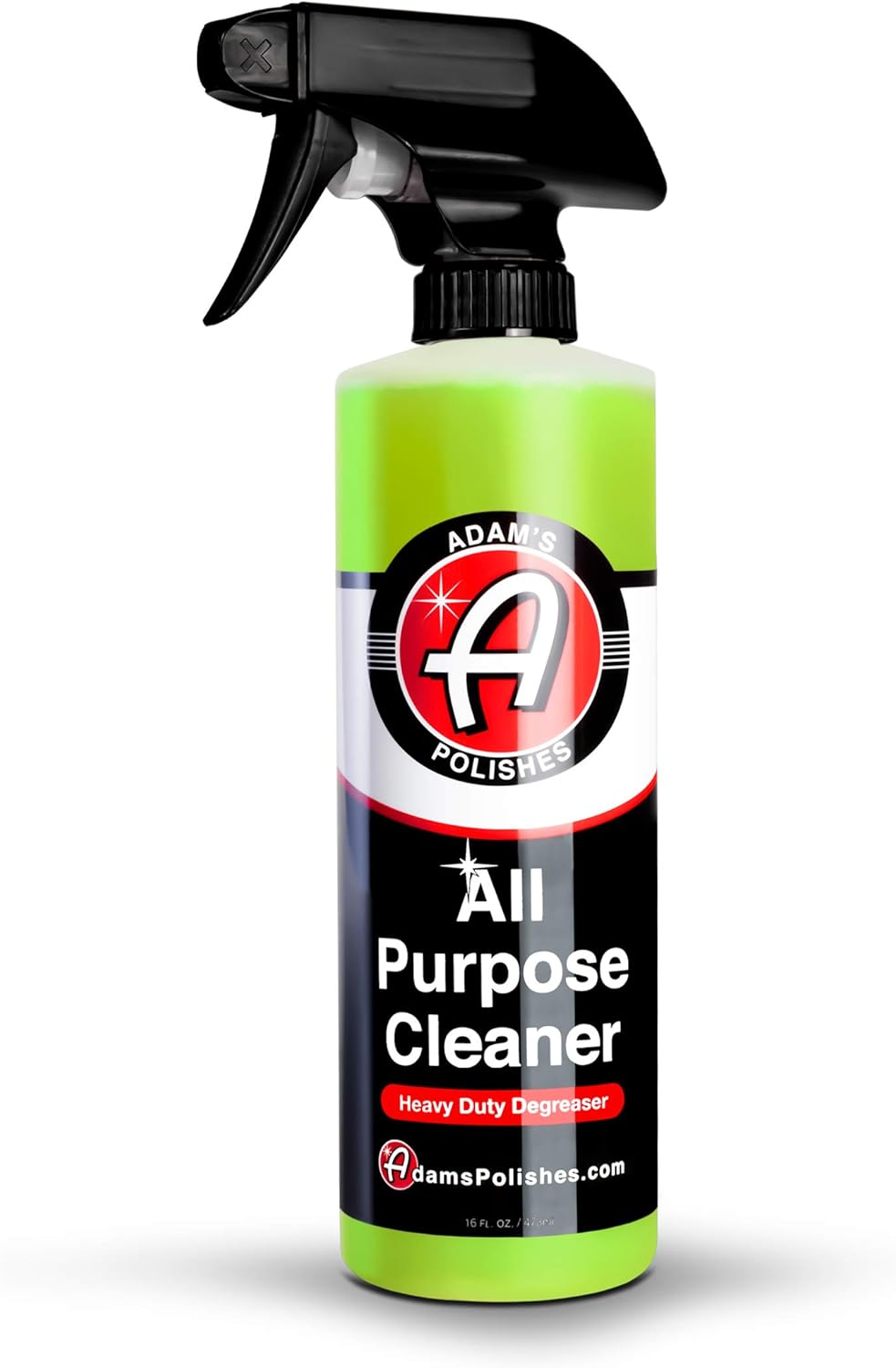 Adam's Polishes All Purpose CleanerProp 65
all-purpose-cleaner
 Adam's Polishes Carpet Extractor Shampoo
carpet-cleaner
 CarPro Multi X All Purpose Cleaner Concentrate
all-purpose-cleaner
 Chemical Guys Nonsense Colorless & Odorless All Surface CleanerProp 65
all-purpose-cleaner
 Griot's Garage Interior Cleaner
plastic-trim-cleaner
Related
Health and environment notes translate the manufacturer Safety Data Sheet, the GHS classification, and authoritative regulatory listings (California Prop 65, EPA). Not medical advice. They describe the ingredient itself; whether a hazard applies to a finished product depends on its concentration and how it's used.