
Sodium Laureth Sulfate (SLES)
- Anionic surfactants
- CAS 9004-82-4
- IUPAC: Sodium lauryl ether sulfate
Sodium Laureth Sulfate (SLES) (CAS 9004-82-4) appears in 17 of the 2,122 car-care products CarCareTruth tracks (as of August 2026). It is readily biodegradable.
Mild skin/eye irritant at high concentrations. Not a carcinogen despite internet myths. The ethoxylated version (SLES) is gentler than the non-ethoxylated SLS.
The most common surfactant in car shampoos, body washes, and household cleaners. SLES is an anionic surfactant that creates dense foam and effectively lifts grease and particulate from surfaces.
In car care, it's the backbone of virtually every car shampoo formula. At typical use dilutions (0.5-2%), it's well below irritation thresholds. Readily biodegradable in wastewater treatment systems.
Health & environment profile
- VOC
- no
- Prop 65 listed
- no
- Asthmagen
- no
- EPA Safer Choice
- no
- Aquatic toxicity
- no
- Biodegradable
- yes
- Bioaccumulative
- no
- Persistent
- no
- Ozone depleting
- no
- Microplastic
- no
- PFAS
- no
- Env. score
- 4/5
Common questions about Sodium Laureth Sulfate (SLES)
- What is Sodium Laureth Sulfate (SLES) used for in car care?
- Primary foaming/cleaning surfactant
- Is Sodium Laureth Sulfate (SLES) a VOC?
- No. Sodium Laureth Sulfate (SLES) is not classified as a volatile organic compound (VOC).
- Is Sodium Laureth Sulfate (SLES) on California's Proposition 65 list?
- No. Sodium Laureth Sulfate (SLES) is not on California's Proposition 65 list.
- Is Sodium Laureth Sulfate (SLES) biodegradable?
- Yes. Sodium Laureth Sulfate (SLES) has a confirmed biodegradable profile.
17 products contain this
 Autoglym Interior Shampoo
fabric-upholstery-cleaner
 Autoglym Polar Wash 2.5L
pre-wash
 CarPro IronX Iron Remover (500ml)
iron-remover
 CarPro IronX Iron Remover Cherry Scent (1 Liter)
iron-remover
 CarPro IronX Iron Remover (Lemon Scent, 500ml)
iron-remover
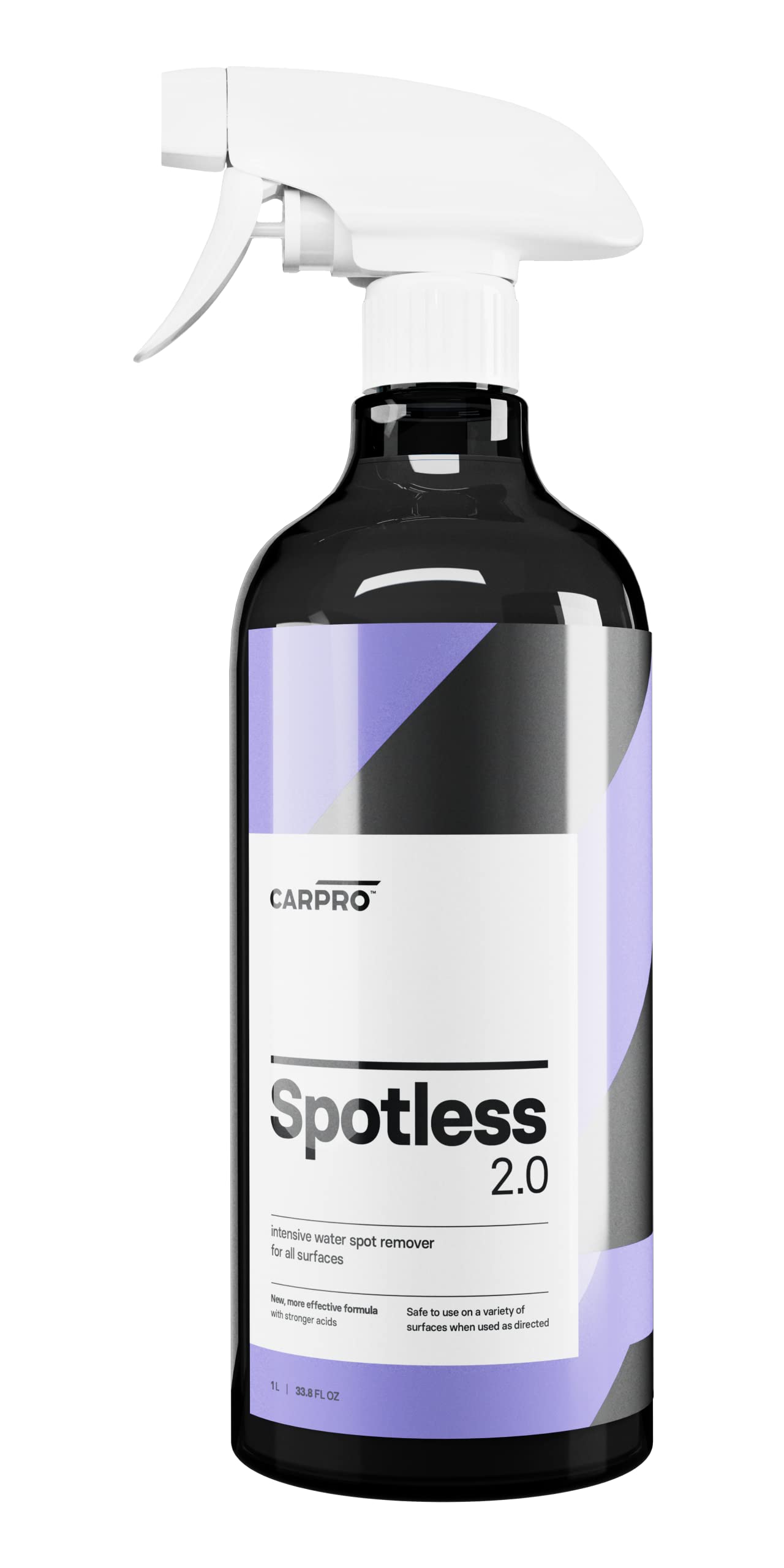 CarPro Spotless 2.0 Water Spot & Mineral Remover (1L)
water-spot-remover
 Gyeon Q²M Foam
pre-wash
 Gyeon Q²M Iron Redefined
iron-remover
 Lexol All Leather Quick Care
leather-care
 Lexol pH-Balanced Leather Cleaner
leather-cleaner
 nextzett Blitz All Purpose CleanerProp 65
all-purpose-cleaner
 nextzett Cockpit Premium Interior and Dashboard CleanerProp 65
dashboard-protectant
 SONAX Multi-Purpose Interior Cleaner
headliner-cleaner
 SONAX MultiStar Universal Cleaner
all-purpose-cleaner
 SONAX Upholstery & Alcantara CleanerProp 65
fabric-upholstery-cleaner

 Turtle Wax Spot Clean Stain & Odor RemoverProp 65
fabric-upholstery-cleaner
Related
Health and environment notes translate the manufacturer Safety Data Sheet, the GHS classification, and authoritative regulatory listings (California Prop 65, EPA). Not medical advice. They describe the ingredient itself; whether a hazard applies to a finished product depends on its concentration and how it's used.